
A view of the famous Corniglia Village in Cinque Terre National Park in Italy.

Things to do in  Italy

La dolce vita, indeed

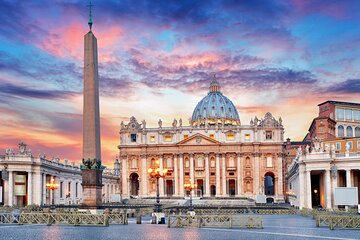
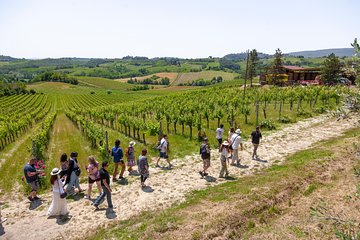
Home to cultural masterpieces, treasured cuisine, and a relaxed “la dolce vita” vibe, Italy is the land of inspiration and aspiration. The country holds the world's most UNESCO World Heritage Sites, but there are endless things to do in Italy beyond exploring St. Peter’s Basilica and marveling at Michelangelo’s David. Sip bold red wines in Chianti’s cellars, mingle with celebrities on the Amalfi Coast, feast on authentic pizza napolitana in Naples, and switch up your look in Milan’s boutiques—everything is possible in la bella Italia.

Top 15 attractions in Italy

Top activities in Italy

All about Italy

Local Currency
Euro (€)
When to visit

It’s always a good time to visit, but are some things to keep in mind. The Italian summer high season is punishingly hot and crowded, but it brings magical events like outdoor operas and seasonal festivals. To hit the sweet spot of warm weather and fewer tourists, visit in spring from late May through June and early fall from mid-September through October. In August, most Italians hit the beaches along the Tyrrhenian Sea and Adriatic Sea, and traveling gets particularly hectic.

Getting around

The busiest airports are in Rome and Milan—from these cities, you can reach nearly all of Italy via train, the most convenient travel option. High-speed Trenitalia lines like the Frecciarossa connect major urban centers, InterCity (IC) trains zip between them and mid-sized cities, and regional trains link small villages via slow, affordable routes. Euroropean budget and national airlines are options, while ferries from Civitavecchia, Genoa, Naples, and elsewhere service the Mediterranean from Sicily to Sardinia.

Traveler tips

Here are some general rules for a smooth Italian sojourn. Ordering a cappuccino after midday is a faux pas and best avoided. Purchase bus tickets from train stations, newspaper stands, cafes, bars, or tabacchi shops—but not on the bus itself. Most Italian cities have fountains with potable water, so there’s no need to buy plastic bottles. Cover your shoulders and knees to enter Catholic churches, including the Sistine Chapel. When visiting someone’s home, bring a small gift—flowers, wine, or pastries.

en
aa45d1d3-0f1d-4749-95d7-60d8c030cf03
attraction_list
People Also Ask
Q:Why is Italy so famous?
A:

Known as il bel paese, or the beautiful country, Italy stands out for its wealth of art and architecture, ancient ruins, pretty landscapes and seascapes, unparalleled cuisine, and relaxed “la dolce vita” lifestyle. The country’s world-class fashion and design seal the deal for Italy’s top spot as a travel destination.

Q:What should you not miss on a trip to Italy?
A:

Visiting the “Big Three”—Rome, Florence, and Venice—are top things to do in Italy for their concentration of ancient sites, artistic masterpieces, and unique cityscapes. While marveling at the Roman Colosseum, Michelangelo’s David, and the Venetian canals, be sure to also try Italy’s food and wine and browse the country’s traditional artisan workshops.

Q:How many days in Italy is enough?
A:

You could spend a year exploring and still not cover all of its treasures, so consider that you’ll need at least seven to 10 days to visit the top three cities (Rome and Vatican City, Florence, and Venice) plus take day trips into a smaller town or two to experience Italy’s quieter side. You’ll also want to set aside time for culinary activities such as cooking classes or wine tastings, especially if visiting food-focused regions like Tuscany and Emilia-Romagna.

Q:What is the most beautiful part of Italy?
A:

Italy has more UNESCO-listed cities and landscapes than any other country in the world, so choosing the most beautiful is a challenge. The Dolomites (Dolomiti) hiking trails in northern Italy, Tuscany’s Val d’Orcia, the Amalfi Coast and Cinque Terre, and rolling vineyards in Piedmont vie for the title of Italy’s most picturesque spot.

Q:Is Italy safe to visit?
A:

Yes, the country has very little violent crime, especially involving tourists. Pickpocketing and other petty theft are common in larger cities and tourist towns, so always keep your documents, valuables, and smartphone safely tucked away while exploring and avoid walking alone late at night.