
Accademia Gallery (Galleria dell'Accademia) Tours and Tickets











What are people saying about Accademia Gallery (Galleria dell'Accademia)
Jean_P, May 2026
Excellent guide through phenomenal art with attention to details and history
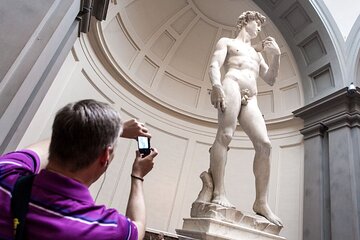
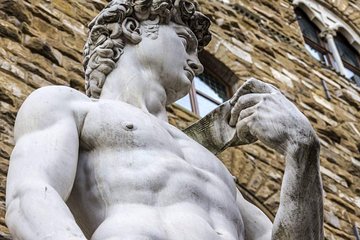
Our guide was incredibly well versed in the artwork. She was kind, considerate, and very professional. The delivery of her details was clear and very informative. I truly appreciated the information of how the statue of David had been transported, cleaned, and how it has been preserved. Very distressing to learn about the damaging incident.
Thank you for the excellent experience.
Renee_A, Jul 2026
Seeing David
We got stuck in traffic. I sent a message telling the tour operator that we would be a few minutes late. The tour operator was able to give us a slightly later entry time into Accademia to see David, which we were extremely thankful for. The tour operator was in the area where they said they would be. The tour operator exchanged the voucher for the tickets. We waited only a few minutes to enter the museum. It worked very well.
Jessica_B, Jul 2026
Hello David
We were looking for tickets to see the David at The Acedemia and this tour started at The Uffizi Gallery. We had two different guides for each gallery and they were both super knowledgeable about the art. We liked that there was a break between the tours so we could shop and get lunch. One of my bucket list items!

Janessa_T, Jul 2026
Margaret was an excellent...
Margaret was an excellent and enthusiastic guide. I personally could have spent much more time at the Accademia but I appreciated the time given and knowledge shared. The walking tour following was very helpful and gave context to things in the city we had been passing. The 2 hour tour was perfect for us.

Accademia Gallery (Galleria dell'Accademia)

To be assured entry on the day you want to visit, consider booking a guided tour or skip-the-line tickets in advance.
Photography is not allowed inside the gallery.
The museum provides audio guides at the bookshop for a fee.
The gallery is closed on Mondays.
Students from the EU and children under 18 years old are eligible for a reduced or free ticket to the Accademia Gallery.
People Also Ask
What’s the best way to experience the Accademia Gallery?
How much does it cost to visit the Accademia Gallery in 2026?
Is the Accademia Gallery worth visiting?
What is the best day to visit the Accademia Gallery?
Is the Accademia Gallery free on Sundays?
Is there a dress code for the Accademia Gallery?
Can you bring backpacks into the Accademia Gallery?
Can you take pictures in the Accademia Gallery?
What should you not miss in the Accademia Gallery?
What are the best attractions in Florence other than the Accademia Gallery?
More Tours in Florence
Things to do near Florence
More attractions near Florence