Things to do in Switzerland

Things to do in  Switzerland

Swiss congeniality

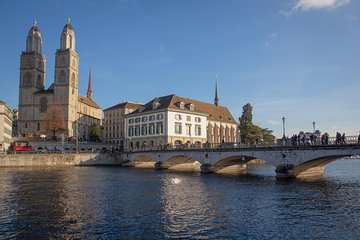
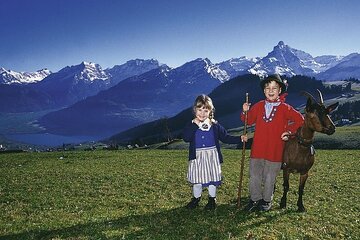
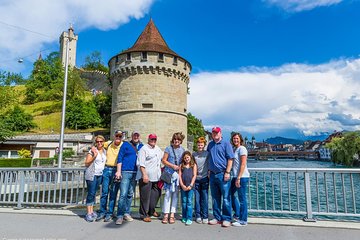
Think of Switzerland, and the mountains will likely come to mind—all James Bond ski scenes, Heidi panoramas, and pots of cheese fondue. And the cliches for visitors are largely true: The Swiss Alps and lakes are always visible, and their easy reach means that outdoor adventure tops the lists of things to do in Switzerland. But cosmopolitan culture and history also abound, with urban activities on offer like shopping on Zurich’s Bahnhofstrasse, tracing Swiss history at Lucerne’s Museggmauer, and dancing at the Montreux Jazz Festival.

Top 15 attractions in Switzerland

Top activities in Switzerland

Top Destinations

All about Switzerland

Time Zone
CEST (+1)
When to visit

There’s no point bringing a car to Switzerland when public transit works so well. The trains in particular are efficient and clean, linking up even the tiniest villages to the major cities. For explorers, the Swiss Travel Pass is highly recommended, giving travelers unlimited access to all forms of Swiss transportation—city trams, trains, buses, boats, and even some mountain railways and cableways—along with select museum and attraction entry.

Getting around

Despite its clear wintertime appeal, Switzerland is a country for all seasons, with many things to do. Visitors in the hotter months are welcomed with mountain hiking, thermal spas, and cities where swimming in clean lakes and rivers is the norm. If the winter wonderland scenery isn’t enough to woo you in the colder months, the renowned ski slopes, chic resorts, ice skating, and Christmas markets are extra temptations.

Traveler tips

Switzerland isn’t a budget destination, but there are ways to experience it without breaking the bank. Out-of-season months like October and November offer better-priced vacations in the cities, and cheaper accommodation can be found just outside of the main cities, with easy access to urban areas via Swiss public transportation. For Zurich, look to stay in a village like Winterthur. For trips to the Ticino region, stay across the border in Italy, where food and accommodation often are cheaper.

en
62508b0d-311e-4c72-8dd8-57c1c39fac50
attraction_list
People Also Ask
Q:What is Switzerland known for?
A:

Switzerland is known for its Alpine landscape, modern infrastructure, and luxury products—particularly its chocolate, cheese, and watches. Iconic mountain peaks include the Matterhorn and Jungfrau. Cities such as Geneva and Zurich are also top draws, while the St. Mortiz and Zermatt ski resorts enjoy international acclaim.

Q:Which is the most visited place in Switzerland?
A:

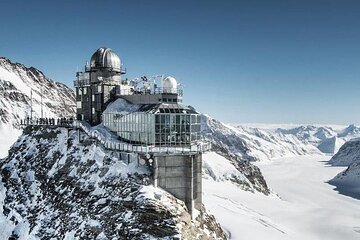
The Matterhorn attracts millions of visitors each year. Other popular outdoor attractions include Jungfraujoch, which connects the Jungfrau and Mönch peaks, the Creux du Van glacial cirque, and the Rhine Falls. Zurich and Geneva also frequently top must-see lists, thanks to their classic old towns and iconic lakes.

Q:Is 7 days enough for Switzerland?
A:

Yes, it’s possible to get an overview of Switzerland in seven days. Some tours offer multiday itineraries that visit the top sights, with either private transfer or travel aboard the mountain express railways. Aim to dedicate a full day to must-see locations such as Zurich, Interlaken, Geneva, and Zermatt.

Q:What should you not miss in Switzerland?
A:

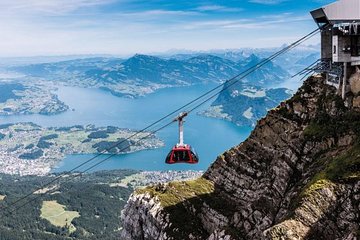
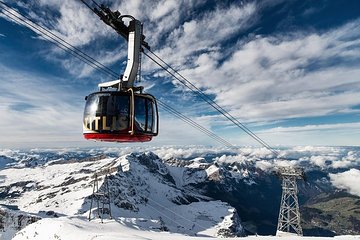
Don’t miss the Alps. It seems obvious, but the high prices and full-day demand can be offputting. Fortunately, there are other options besides Jungfraujoch and the Matterhorn. Pilatus, Rigi, and Titlis are all impressive peaks in their own right and can be easily combined with nearby towns and other attractions.

Q:Is Switzerland a cheap place to visit?
A:

No. Switzerland is expensive, especially for tourists. But, there are ways to save money: Take advantage of ticket passes that include transportation and attractions, plan and book your travel route and activities well in advance, and lean into the local experience through home cooking, bike rental, and lake swimming.

Q:Do they speak English in Switzerland?
A:

Yes, English is the most common non-national language spoken in Switzerland, and young people living in cities are particularly fluent. However, not everyone can or wants to speak it. If you want to make a good impression, give the local language a go, whether that’s German, French, Italian, or Romansh.