
Know Before You Go: Visiting the Golden Circle


Visiting the Golden Circle in Iceland is a must for first-time travelers to the country—and for good reason. This classic day trip from Reykjavik takes you on a loop through some of Iceland’s most iconic sights: the tectonic rift at Thingvellir National Park, the steaming geothermal fields of the Great Geysir, and the thundering Gullfoss waterfall. Along the way, you’ll also pass moss-laden lava fields, tempting hot springs, and sweeping mountain scenery.
Whether you’re planning to book a Golden Circle tour guide or drive around yourself, knowing the best time to go, what to bring, and how to make the most of each stop will ensure a smoother, more memorable day. Here are our insider tips.
Should I visit the Golden Circle in Iceland?

Yes, a Golden Circle trip is worth it—especially if it’s your first time in Iceland.
The compact Golden Circle route links three of the country’s most iconic sights: Thingvellir National Park, the Geysir geothermal area, and Gullfoss waterfall. Starting and ending in Reykjavik, the loop covers approximately 155 miles (250 kilometers), although the distance can vary depending on detours, and it can be comfortably completed in a single day.
Taking a Golden Circle day trip offers a great introduction to Iceland’s landscapes, from rift valleys and geothermal areas to some of the country’s impressive waterfalls, ticking off a lot of bucket-list sights for many travelers.
What’s the best time to visit the Golden Circle?

Late spring and early autumn bring stable weather and fewer crowds.
Late spring and early autumn strike the best balance between manageable crowds, colorful scenery, and relatively stable weather. Summer (June–August) offers the longest days and warmest temperatures, with nearly 24 hours of light for sightseeing, but it’s also the busiest season.
Winter offers a quieter, more dramatic experience in the Golden Circle, with geysers bubbling in the cold and waterfalls edged in ice. But there are also short days, icy roads, and freezing temperatures, so a guided tour of the Golden Circle is usually a good idea, especially in this season.
What are the opening and closing hours for main stops on the route?

Thingvellir, Geysir, and Gullfoss remain open year‑round at all hours, but the visitor centers and cafés do not.
If you want to visit top Golden Circle attractions, just know that you can basically drop by any time of day or night, year-round ... as long as you're at peace with not having facilities to hand! However, we wouldn't recommend taking this approach; instead, pay attention to the opening times.
At Thingvellir, the main Visitor Center is open from 9am to 6pm from April to October, and until 5pm the rest of the year, with shorter hours over the Christmas and New Year’s Eve holidays. At Geysir, the Geysir Center is open from 9:15am until 5pm daily, with public toilets, a large souvenir shop, and some different food options. At Gullfoss, the on-site café, restaurant, and gift shop are open from 9am to 8pm.
How long should a Golden Circle sightseeing loop take?

Visiting the Golden Circle can take a full day, depending on which stops you make.
Driving around the Golden Circle without any stops takes roughly three hours, but distances can be greater or shorter depending on what you’re planning to see. If including visits to the three best stops on the Golden Circle, a break for lunch, and photo opportunities along the route, you should budget 6–8 hours.
However, if you’re planning on breaking up the drive or joining a tour with a stop at one of the hot springs in the area or a few extra sights, expect to return to Reykjavik in about 8–10 hours. You can, of course, spend days soaking in all the sights of the Golden Circle if you prefer.
Related: Know Before You Go: Visiting Thingvellir National Park
Should I join a tour of the Golden Circle?

Yes, join a guided tour to explore the Golden Circle—there are itineraries to suit every traveler.
While a self-drive Golden Circle tour offers the most flexibility, it’s hard to resist the convenience of bundling together navigation, expert commentary, and your transport into one neat package with a guided tour.
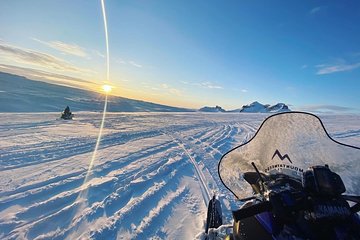
There are many different combos to choose from, including options that range from snowmobile adventures and horseback riding treks to hot spring soaks and a farm visit. Particularly in the winter, it’s best to select a Golden Circle day trip from Reykjavik to let experienced drivers handle the icy conditions and changing weather.




What should I expect at each stop of the Golden Circle?

The Golden Circle is home to some of Iceland’s most famous waterfalls, landscapes, and geothermal areas.
A standard Golden Circle itinerary packs in some of Iceland’s most famous sights, starting with Thingvellir National Park, a UNESCO World Heritage Site. Trails and viewpoints take you through the park, where the North American and Eurasian tectonic plates meet in a dramatic rift valley, the site where Iceland’s first parliament was founded in 930.
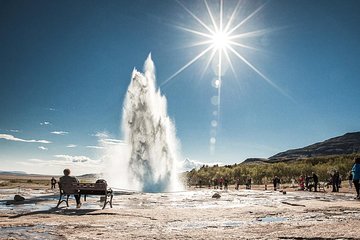
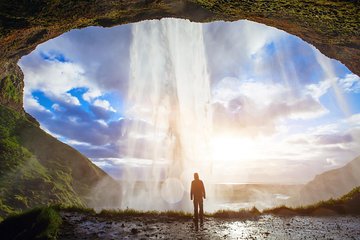
Next is the Haukadalur Geothermal Area—better known as Geysir—where Strokkur launches boiling water skyward every few minutes and steam curls from the surrounding pools streaked with vivid mineral colors. Finish at Gullfoss, a glacier-fed, double-tiered cascade that thunders 105 feet (32 meters) into a spray-filled gorge.
What other attractions can I visit in the Golden Circle?

You can visit hot springs, local farms, or a few extra natural attractions in the Golden Circle area.
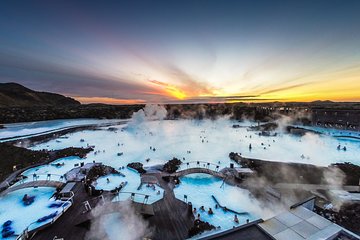
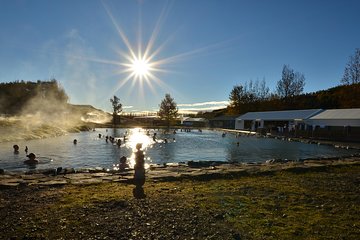
The Golden Circle has plenty to see beyond its main sights, including several hot springs. The best known is the Secret Lagoon in Flúðir, with nearby Hrunalaug offering a more rustic soak, Laugarás Lagoon providing a luxury experience, and Laugarvatn Fontana boasting lake views.
Other highlights include Brúarfoss waterfall, famous for its vivid blue water, and the colorful, volcanic Kerid Crater. Food lovers can also visit Friðheimar, a geothermal-powered tomato farm and restaurant where guests dine among the greenhouses.
What should I wear for a Golden Circle day trip?

Layers, solid shoes for walking, and weatherproof gear are all essential for visiting the Golden Circle.
Layers are essential year-round for Golden Circle sightseeing so that you can adjust to Iceland’s dramatic weather swings. In summer, pack a thermal base layer and a warm midlayer, topped with a light windproof and waterproof jacket. Waterproof pants are a good idea, with thermal leggings underneath on cooler days.
In winter, swap the light jacket for an insulated waterproof parka and add an extra midlayer for warmth. Sunglasses, gloves, and a beanie are useful in all seasons, whether for sun glare off ice or the cold bite of Icelandic winds.
Is the Golden Circle wheelchair accessible?

Yes, the Golden Circle has accessibility features at the big three attractions.
Thingvellir, Geysir, and Gullfoss all offer accessible parking close to main facilities, along with accessible restrooms. Each site has wheelchair accessible paths to key viewpoints, though terrain varies. Some areas are paved or have boardwalks, while others include gravel, uneven ground, or steps.
Extra stops, such as the Secret Lagoon or Laugarvatn Fontana Baths, are also accessible, but lesser-known detours, such as to Brúarfoss waterfall, might be a bit more difficult to access, although infrastructure is improving.
Frequently asked questions

Everything you need to know about visiting the Golden Circle.
- Can I drive the Golden Circle in one day? Yes—it’s a popular and doable trip in just one day, whether you only hit the major sights or add in some additional stops.
- Do I need a 4WD vehicle for the Golden Circle? In summer, regular cars are fine. In winter, a 4WD is safer due to icy roads, or you can join a Golden Circle day trip.
- Is there an entrance fee for the main attractions? Thingvellir, Geysir, and Gullfoss are free to access, although there are some parking fees to take into consideration. Some nearby attractions, such as Kerid Crater, also charge admission, as do the hot springs on the route.
- When is Strokkur most active? Strokkur reliably erupts every 5–10 minutes year-round, making it one of Iceland’s most photogenic natural wonders.
Book more things to do in Iceland






Keep reading


