Things to do in Iceland

Things to do in  Iceland

The land of fire and ice

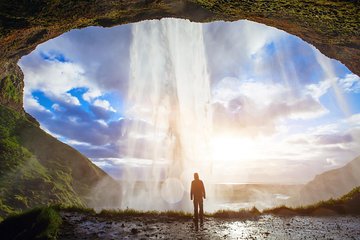
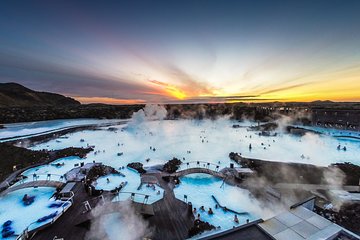
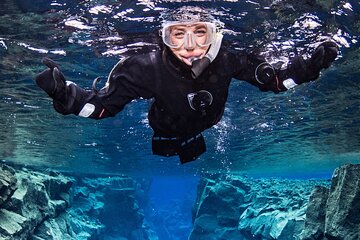
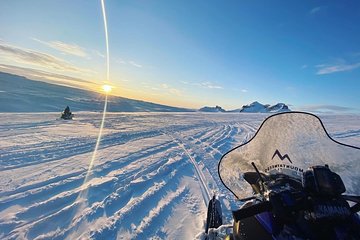
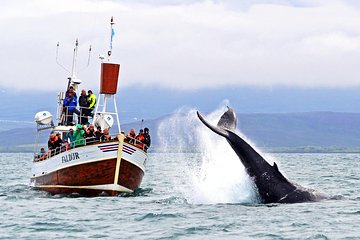
Nature rules Iceland, the land of fire (volcanoes) and ice (glaciers). This pint-sized country packs a mighty punch with natural phenomena like shimmering northern lights, ethereal black sand beaches, glistening glaciers, bubbling hot springs, spouting geysers, and teeming waterfalls. But this country in the north Atlantic has culture to spare: Reykjavik, the country’s compact cosmopolitan capital, punches above its weight with its vibrant arts, dining, and nightlife scenes. From diving into Viking history at the National Museum of Iceland to taking a Golden Circle tour, spotting puffins while whale watching, and enjoying a relaxing dip in the Blue Lagoon, there’s plenty of things to do in Iceland.

Top 15 attractions in Iceland

Top activities in Iceland

All about Iceland

Local Currency
Icelandic Króna (ISK)
When to visit

Iceland’s cool, temperate maritime climate means that extreme conditions are rare: Summers are mild and winter temperatures don’t usually drop below freezing. Most travelers prefer to visit in summer (June–August), as extended daylight hours and warmer temperatures allow for more outdoor activities such as hiking (many trails are closed outside of summer). However, fall, winter, and spring offer the possibility of seeing the aurora borealis, as well as more affordable hotel rates and smaller crowds.

Getting around

While you can get around the island using only public buses, it’s a time-consuming way to travel and not always reliable outside of summer. Renting a vehicle allows flexibility and opens up parts of the country that are not served by public transport. The Icelandic road system is extensive and easy to navigate. You’ll likely spend much of your time on Route 1, better known as the Ring Road, which encircles Iceland and is open year-round.

Traveler tips

Pack layers. In Iceland, the season and the weather forecast mean little—chances are you will experience multiple different weather conditions in a single day. Prepare for the unpredictable by packing several warm layers and a waterproof jacket. If you are planning to spend time outdoors, bring a pair of sturdy boots that can handle the country’s famously rugged landscape.

en
81069949-42fa-4b6f-9c62-1e8331e9cc7f
attraction_list
People Also Ask
Q:What is Iceland famous for?
A:

It’s not called “the land of fire and ice” for nothing. Iceland got its apt nickname from its rugged landscape, which is dotted with waterfalls, glaciers, geothermal areas, and lava fields fed by active volcanoes (remember Eyjafjallajokull?). Culturally, Iceland is known for its rich Viking history, its setting as a popular film location (north of the Wall in Game of Thrones), and whimsical music scene, home to the likes of Bjork and Sigur Ros.

Q:How many days do you need in Iceland?
A:

Iceland is a small country, especially compared to what North Americans are used to, so you can cover a lot of ground in relatively little time. That said, if you want to explore the diversity of its landscapes, give yourself a week. If you can spare 10 days, you can drive all the way around the island on the Ring Road.

Q:What is the most beautiful part of Iceland?
A:

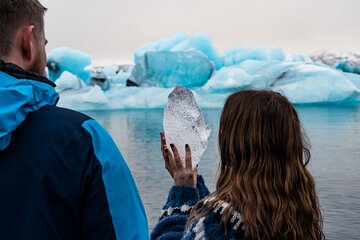
Many travelers consider the remote Westfjords region to be the most beautiful. The Westfjords are dotted with mountains, fjords, and waterfalls—and have the advantage of being less crowded than other parts of the country. The black-sand Diamond Beach, studded with icebergs from Jokulsarlon Glacier Lagoon, is another astonishingly beautiful sight. There’s also Godafoss, the waterfall of the gods, or the alien beauty of Reynisfjara Beach… we could go on and on.

Q:Do they speak English in Iceland?
A:

Yes, in the major cities of Reykjavik and Akureyri, as well as well-trafficked tourist spots, almost every Icelander you’re likely to meet will speak flawless English. However, if you plan to travel to more rural parts of the country, like the south coast of Iceland, locals may not feel as comfortable conversing in English.

Q:What is forbidden in Iceland?
A:

While this island in the Arctic circle has a number of quirky rules and regulations, the ones that tourists should be aware of concern treading lightly on the fragile environment. Off-road driving is taken very seriously, and if you’re caught, you could receive a hefty fine, making you regret that you ever visited Iceland. Don’t litter and don’t trample on moss, which can take decades to recover from footprints.