
9 Reasons Why You Should Go to Iceland This Summer


Blame it on the country’s glacial name, but many travelers mistakenly believe Iceland to be primarily a winter destination. The reality? Summer is actually peak visitor season on the northern Atlantic island, and for good reason.
The warm(ish) temperatures and long days of June, July, and August coax Iceland into effervescent life, making summer the time to pack each day of your trip with activities, whether you want to join in with seasonal festivities and cultural events, meet the country’s most beloved wildlife, or head out onto the ocean and along countryside trails. Here’s why you shouldn’t sleep on Iceland as a summer destination.
1. You can make the most of the midnight sun

Thanks to 21 hours of sunlight per day, you can squeeze in multiple activities with ease.
Perhaps the best reason to visit Iceland in summer—especially if you've got limited time in the country—is the midnight sun and the potential it provides for getting stuff done. The sun barely rests during the summer months in Iceland and, most likely, neither will you.
With around 21 hours of daylight throughout June, July, and August, you can stay out until well into the wee hours and pack in more activities each day. Book a tour of the Golden Circle or South Iceland and experience glaciers, geysers, and some of Iceland’s most famous waterfalls after the daytime crowds have gone. Then, around midnight, enjoy the intense pink-and-gold blazing spectacle of the briefly setting sun.
2. There are puffins aplenty

See these local seabirds in the summer before they return to the ocean.
Iceland is one of the best places in the world to see puffins and summer is, happily, the best time to do it. After spending much of the year far off in the Atlantic Ocean, the charming little seabirds return to Iceland to nest in approximately May each year, sticking around until late August when the chicks fledge and parents return separately to the ocean.
Puffin colonies are dotted all around Iceland, mostly in the Westman Islands and on the islands of Akurey and Lundey close to Reykjavik. Taking a boat tour for close-up views of the puffins is a must, with summer tours departing regularly from Reykjavík and Husavík.
3. It’s peak whale season, too

Spot whales, sharks, dolphins, and more on a boat tour in Iceland this summer.
While out puffin-spotting on the water, some of the world’s largest creatures may make an appearance, as summer is also the peak whale-watching season in Iceland. The most common types seen near Reykjavik are humpbacks, minke whales, and orca, though you might also spot other marine wildlife including basking sharks, white-beaked dolphins, and harbor porpoises.
Whale-watching tours depart daily from the capital and can be combined with a puffin tour to Akurey for a wildlife-filled day or admission to the Whales of Iceland museum back on dry land.
4. You can venture into the Highlands

Experience the natural beauty of rugged terrains that are (mostly) not accessible in winter.
Iceland’s Highlands are largely inaccessible in the winter months, but summer opens up this most rugged part of the country’s interior to adventurous travelers. If you want to explore the stark, otherworldly landscape independently, you’ll need a 4WD and a confident driver—yes, 4WD's are needed even during summer in Iceland.
Alternatively, skip the hassle and book a hiking tour from Reykjavik to explore the hot spring and geyser-dotted Landmannalaugar in the Fjallabak Nature Reserve on the edge of Laugahraun lava field.
5. The Westfjords are accessible

Take advantage of the summer warmth to see this region's impressive glaciers, cliffs, and mountains.
The remote Westfjords region is also challenging to visit during the winter months, although summer opens up access. However, as it’s far off the Golden Circle route, the Westfjords region remains far less-trafficked than the south, meaning that it's a good spot for quieter summer travel in Iceland.
Escape the crowds elsewhere and soak up the serenity of the Westfjords by exploring the region’s deep fjords and high cliffs and mountains on a guided tour from Isafjordur or head into the Engidalur Valley on an Icelandic horse.
6. You can cruise around icebergs

Get up close and personal with glaciers and ice-crusted lagoons in summer—you wouldn't be able to in winter.
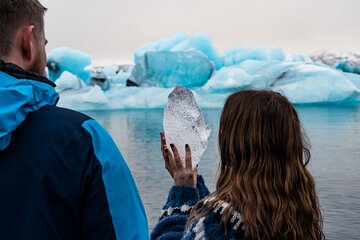
Jökulsárlón glacier lagoon is magical all year round but only in summer can you take a boat trip onto the water and cruise around the icebergs that have broken off from the Vatnajökull glacier to make their way out to sea.
Book a guided tour from Reykjavik and you’ll also probably visit such famed natural attractions as the Seljalandsfoss waterfall and Reynisfjara black-sand beach on your way back from the glittering lagoon, for a comprehensive day out.
7. It’s time to party

Summer is the perfect season to celebrate Icelandic festivals, food, and culture.
From Iceland’s National Day, which celebrates the nation’s independence on June 17, to Reykjavík Culture Night in late August, summer is festival season in Iceland. Take June’s Secret Solstice music festival and August’s Reykjavik Pride—both rank among the season’s liveliest major events around which it's worth planning a trip.
Outside of the capital, almost any week between June and August, you'll also come across smaller-scale town or village festivals celebrating the summer with food, drink, and dancing. Fishfest in Dalvík and Lobster Festival in Höfn are two food-focused festivities that are especially worth the trip.
8. Self-led road trips aren’t off the table

Milder summer weather means that you can head out on an epic, self-driven road trip around the country.
Iceland was a country built for roadtripping. Not only does it have incredible scenery at seemingly every turn, there are also plenty of places to set up camp and stargaze—if that’s your bag—as you follow the Ring Road route to the country’s top attractions, such as Mývatn, Vík, and the Reynisfjara black-sand beach.
But even if you’re short on time and can’t complete the 821-mile (1,322-kilometer) Ring Road in full, there’s always the time-saving Golden Circle route available instead—that one can be done in a single day if you put your metaphorical foot down. And going in summer means that you don’t need to navigate via 4WD (or handle the snow and ice).
9. You can take a dip in hot and cold springs

You won't be shivering (much) as you flit between Iceland's numerous natural springs in the summer months.
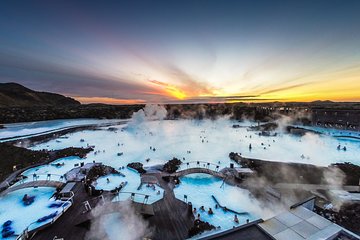
Iceland’s most famous geothermal pool is easily the Blue Lagoon—of course a stand-out on any trip, and particularly warming in the winter months—but it’s far from the only one. The country is smattered with hot (and cold) pools that are perfect for taking a dip with some magnificent scenery in the background.
Take the Seljavallalaug Swimming Pool where the water is brisk and refreshing—would you want to take a dip here in winter? Probably not—or the more developed (but still beautiful) Forest Lagoon near Akureyri in northern Iceland. (Bonus: Most of these swimming holes are best accessed by car, so you can tack them onto your Iceland road trip itinerary.)
Book more things to do in Iceland







Keep planning your Iceland trip


