Top Iceland Whale Watching
32 results
Must-Dos in Iceland
What are people saying about Iceland

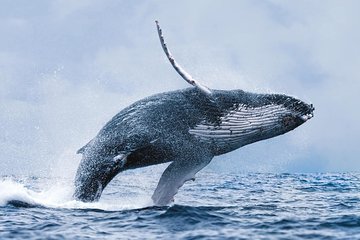
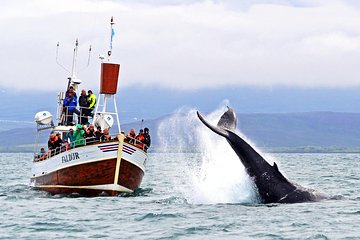
Many whale species—including minke and humpback whales—travel to the cool waters of Iceland in the summertime. Iceland whale-watching tours maximize your chance of spotting the marine creatures and result in some incredible photos and memories. Choose from cruises aboard spacious yachts or more intimate boats staffed with trained naturalists who can explain more about the biology and behavior of the animals.
People Also Ask
What are the best Iceland whale-watching tours?
There are plenty of high-quality Iceland whale-watching tours to choose from. Looking at ratings and reviews given by previous customers, these are the best tours available right now:
How much do Iceland whale-watching tours cost?
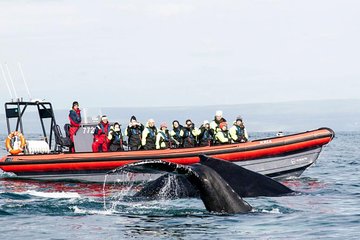
Iceland whale-watching tours start at around US$80 per person, with most traditional boat trips priced between US$100 and US$140. If you’re looking for a more intimate yet high-speed experience, RIB (rigid inflatable boat) tours cover more ground in less time and typically cost from US$160.
Are guided Iceland whale-watching tours worth it?
Yes, guided Iceland whale-watching tours are worth it. Seeing the planet's largest mammal in its natural habitat is hard to beat, and knowledgeable guides are on hand to provide context on their behavior and migratory patterns. Logistics are fully handled, meaning you can focus on the ride and watch the horizon. Many tours also pass through areas known for puffins, adding a bonus wildlife experience.
Per one customer who booked the Big Whales & Puffins RIB Boat Tour from Húsavík, "Exceptional service and very knowledgeable guides on this tour. They know exactly where and when to look when going near the areas of previous sightings. The locations are a hit or miss when it comes to sightings but you will have a blast to and from the dock. Would go back if we ever got the chance!"
What should I know before booking Iceland whale-watching tours?
Timing matters—April through October is your best window, with June to August considered peak season, offering the calmest seas and the highest chance of spotting whales. Also think about where you want to depart from: Húsavík has a good sighting success rate, Reykjavík is convenient, and Akureyri offers calmer waters, ideal for those prone to seasickness. If you want to be close to the water, opt for a RIB tour over a traditional boat trip.
What are the best tips for enjoying Iceland whale-watching tours?
Dress for the ocean, not the shore: temperatures drop on the water, so pack warm layers and a windproof jacket, even in summer. If you’re prone to seasickness, take medication before you get on the boat. Once you're out there, don’t be shy about asking your guide questions, as they know the waters well and can get you up to speed on the different whale species and their behaviors.
What Iceland whale-watching tours are one hour or less?
Even if you're short on time, you can find fun Iceland activities to fit your schedule. Here's a popular Iceland whale watching tour to enjoy in an hour or less:
What are other things to do than whale watching in Iceland?
There are tons of fun tours and excursions in Iceland aside from whale watching. According to previous travelers, these are the best activities to book for your next trip:
What types of whales can you see in Iceland?
The most commonly spotted species include minke, orca, and humpback whales, while lucky visitors may see sperm whales, narwhals, or even the elusive blue whale. Species vary by season and location: Orcas are more commonly spotted around the Snaefellsnes Peninsula in spring, while humpbacks are a summer staple across most departure ports.
How long is a typical whale-watching tour?
Most Iceland whale-watching tours last around 2–3.5 hours, with the majority sitting at the 3-hour mark. RIB speedboat tours tend to be shorter—typically two hours—as they cover more distance in less time. Some combination tours that include northern lights trips or the Lava Show in Reykjavik can run 4–5 hours.
What should I wear on a whale-watching tour?
Dress warmly: It's significantly colder on the water than on land, even in summer. Pack thermal layers, a windproof jacket, a hat, and gloves. Many operators provide warm, water-resistant overall suits or rain coats, but it's worth checking your tour details in advance and bringing your own hat and gloves regardless.
Do tours guarantee sightings?
No, tours cannot guarantee sightings. Whales are wild animals, and cannot be relied upon to appear on the day of your tour. However, many operators offer a free ticket for another tour if you don’t spot any whales that day, so check for no-sighting policies before booking. Peak sightings align with peak season, and summer offers the best odds.
What is the best time of day for whale watching?
While there’s no specific best time of day for whale watching in Iceland, since whales can surface at any time, early morning departures (around 8am to 10am) typically benefit from calmer seas and clearer visibility. That said, afternoon and evening departures tend to be less busy and offer the chance to spot whales against a striking sunset.