
10 of the Best Neighborhoods in Rome and How To Visit


Rome can be overwhelming, especially as it covers almost 400 square miles (1,000 square kilometers) and is made up of 22 distinct rioni, or districts, many of which encompass a number of neighborhoods. Instead of taking on Rome as a whole, explore the city neighborhood-by-neighborhood to fully experience its unique character. From trendy enclaves thick with chic boutiques and wine bars to the most storied quarters scattered with Roman ruins, here are the top neighborhoods in Rome you won’t want to miss.
1. Historic Center (Centro Storico)

The Centro Storico is the place to be for checking off the top Roman landmarks.
The Trevi Fountain, Piazza Navona, and Pantheon are all clustered in Rome’s Centro Storico, or historic center, alongside many more of the city’s most famous and iconic sights. If you're a first-time visitor to Rome, you'll likely spend much of your time exploring the A-list attractions here, as well as browsing the luxury shops and designer boutiques near the Spanish Steps.
And while the Centro Storico is Rome’s most crowded and touristy neighborhood, it helps that the area is relatively compact and easy to cover on foot, by e-bike, Vespa scooter, or golf cart.
2. Vatican City

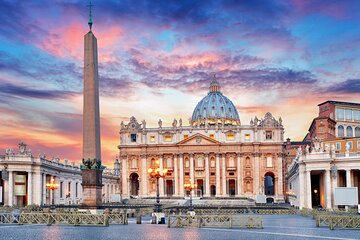
Vatican City is an art-rich city-state within the confines of Rome.
Technically a city-state, Vatican City is home to St. Peter’s Square and Basilica, the Sistine Chapel, and the dazzling art collection within the vast Vatican Museums. As such, it tops the must-see list for most first-time visitors to Rome.
Headquarters of the Roman Catholic Church and home to the Pope, this walled city is bordered by the Borgo and Prati neighborhoods. Borgo, just outside the Vatican, is crowded and touristy, but the Prati district to the northeast is one of Rome's most stylish neighborhoods known for its elegant wide boulevards, upscale shopping, and thriving restaurant scene. There, gourmands can explore the many stalls of Mercato Trionfale, one of the city’s top food markets.
3. Trastevere

Rome’s dining and imbibing hub can be found in Trastevere.
By day, this bohemian neighborhood located across the Tiber River from the Centro Storico is a charming spot to wander, where you can snap photos of ivy-strewn backstreets, poke around in hip shops, and visit the glittering mosaics in the Basilica di Santa Maria in Trastevere.
After sunset, Trastevere also hosts the best nightlife in Rome, with restaurants and bars overflowing and plenty of venues open for live music and dancing. Book a table at one of the restaurants lining Piazza di Santa Maria for dinner, and enjoy some of the best people-watching in Rome.
4. Jewish Ghetto

Rome's Jewish Ghetto is, perhaps unsurprisingly, home to the oldest Jewish community in Italy.
Rome's historic Jewish quarter sits just next to the Centro Storico and is a postcard-perfect pocket of cobblestone lanes and squares in the heart of the city. Wander its warren of narrow streets lined with landmark restaurants serving unique Roman Jewish dishes and take in sights such as the 19th-century Great Synagogue— home to the Jewish Museum of Rome—as well as ancient Roman ruins including the Portico of Octavia and Teatro di Marcello. Be sure to pop into Piazza Mattei, too, to snap a photo of its whimsical turtle fountain, one of the most endearing in the city.
5. Testaccio

Testaccio offers up a more authentic side to Rome and Roman cuisine.
Though it may not have the blockbuster architecture and cultural sights of other Roman neighborhoods, Testaccio has an authentic atmosphere largely untouched by tourism. A haven for foodies, this district set in the swooping curve of the Tiber River is home to one of the city’s best food markets and traditional restaurants serving iconic cucina romana local dishes.
Sample the quinto quarto offal and meat specialties that were invented in this former working-class neighborhood that once housed the largest slaughterhouse in Europe, today home of the slick MACRO Contemporary Art Museum.
6. Monti

Monti is a trendy pocket of Rome beloved by the younger set.
Now one of the most fashionable areas of Rome to dine and shop, Monti was a red-light district in ancient times and a working-class neighborhood through the 20th century. Today, the city’s oldest rione is packed with hip restaurants and chic independent boutiques selling new and vintage fashion and accessories.
Located just steps from the Colosseum and Roman Forum, this district is home to cultural highlights such as the Basilica of Santa Maria Maggiore; the National Roman Museum; and the Domus Aurea, the emperor Nero’s famed Golden Palace.
7. Parioli

Parioli is home to Rome’s most luxurious hotels and restaurants.
One of the poshest neighborhoods in Rome, Parioli—with its wide boulevards and elegant apartment blocks—is a favorite for its luxury hotels with rooftops overlooking the lush Villa Borghese and mix of traditional and fine-dining restaurants. Escape the crowds and urban bustle of central Rome with an evening stroll and meal in this quiet, understated quarter.
The enchanting Quartiere Coppedè also borders Parioli, a must for architecture enthusiasts drawn to this 20th-century district’s heady mix of art deco, liberty, and art nouveau elements.
8. EUR

EUR is a 20th-century planned district on the outskirts of Rome.
Modern architecture fans will want to take the trip out of the city center to admire the Rationalist buildings in the EUR neighborhood, largely built under the direction of Benito Mussolini in the early–20th century. The Palazzo della Civiltà del Lavoro, also known as the Square Colosseum, is located here, now headquarters to the Fendi fashion house.
Here, take a stroll around the scenic Central Park Lake and visit the towering Peter and Paul Church, originally built to be Mussolini’s mausoleum, as well as the grand stadium and sports facility now known as the Foro Italico.
9. Aventino

Aventino bursts with ancient treasures, sweeping vistas, and lush gardens.
Named for Aventine Hill, the southernmost of Rome’s seven hills, the Aventino neighborhood is not only home to A-list Roman ruins from the Circus Maximus to the Baths of Caracalla, making it a great stop for archaeology buffs, but also to several captivating views.
The Orange Garden and its panoramic terrace are located here, as is the famed Knights of Malta keyhole view which overlooks St. Peter’s Dome—both staples of Aventine Hill tours. Other top draws include the Bocca della Verità and the seasonal Rose Garden, which opens each spring and fall as the flowers bloom.
10. Esquilino

Esquilino offers a glimpse into Rome’s multicultural side.
The once-overlooked neighborhood of Esquilino, which borders the main Roma Termini train station, is going through a bit of a Renaissance. Here, you’ll find international restaurants serving everything from samosas to Szechuan chicken and plenty of colorful import shops—but there’s plenty of traditional Italian charm here, too.
Old-school trattorias and storied churches, such as the Basilica di Santa Pressede and Santa Maria Maggiore, keep the area deeply rooted in Roman history and culture. Highlights include the lively Esquilino Market (often a Rome food tour stop) and Piazza Vittorio Emanuele II, an urban park that’s ideal for a break from the city bustle.
Book more things to do in Rome




Keep planning your Rome trip


