Things to do in Reykjavik

Things to do in  Reykjavik

Fit for a Viking

Iceland's colorful and cosmopolitan capital blends rough-and-ready Viking and other nautical history with a sleek design sensibility and hip arts scene. While many travelers treat it as just the jumping-off point for outdoor adventures in Iceland's otherworldly landscapes, Reykjavik is well worth lingering in. From exploring museums and spotting whales and puffins in Faxaflói Bay to indulging in the city's always-interesting dining scene and notoriously wild nightlife, visitors will find plenty of things to do in Reykjavik.

Top 15 attractions in Reykjavik

Top activities in Reykjavik

All about Reykjavik

Local Currency
Icelandic Króna (ISK)
When to visit

The best time to visit this world famous city in Iceland is in the summer. June, July, and August promise the warmest temperatures (though not necessarily hot weather), as well as long daylight hours that let you pack more activities into each day. If you visit in June or July, you can also take a boat tour outside city limits to spot whales and puffins. Note that summer is, however, also the busiest season, so consider visiting in May or September if you want to avoid the biggest crowds.

Getting around

Pint-sized Reykjavík is easy to explore on foot as most top attractions are within a short distance of one another. If you’re short on time, a hop-on hop-off bus tour can take you to all of the city’s most important landmarks—and spend as much time as you like at each one. Straetó, Iceland’s public bus system, is handy for traveling to nearby towns, but if you’re planning to travel much farther afield, you’ll save time and effort by joining a tour or renting a car.

Keflavík International Airport is approximately 32 miles (51 kilometers) west of the city. Riding the public bus, Route 55, is the cheapest way to reach downtown while taking a taxi is the most expensive and will easily set you back at least 16,000 kronur (US$125). The bus will only cost around 2,300 kronur (US$18); however, it doesn’t operate 24/7, so it can be inconvenient if you arrive extra early or late.

Traveler tips

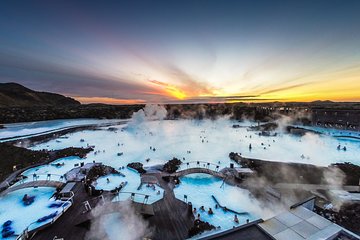
The Blue Lagoon in Grindavík is the country's best-known geothermal spa, but if you want a truly local experience, visit one of Reykjavík's 17 geothermal swimming pools. These pools usually combine the functions of sports centers, water parks, and spas, and many Icelanders visit to enjoy the water's health benefits or go with friends for a fun outing. Laugardalslaug, which is located east of the city center, is Reykjavík's largest and most popular spot, boasting two swimming pools, seven hot tubs, a steam bath, and a large water slide. If you prefer the idea of natural hot springs, head to Hvammsvík, about a 45-minute drive from downtown.

For many travelers, the highlight of their stay in Reykjavik is meeting locals at the city's bars and restaurants. If that's your plan, don't expect to eat dinner before 7pm as most Icelandic people prefer to eat later in the evening. Whether you're craving hákarl (fermented shark meat) or a lamb hot dog, you'll find it here: just expect to pay a premium. Fortunately, tipping isn't expected. Some restaurants will include a small service charge on the bill. If they don't, and you want to leave a token of your appreciation, 10 percent is plenty.

en
a2b47ae3-1725-49a3-bf57-7838123ee3ec
attraction_list
People Also Ask
Q:What is Reykjavik best known for?
A:

Reykjavik is known as the world’s northernmost capital city. Iceland’s pint-sized capital is also known for its colorful streets, innovative design, creative people, and wild nightlife scene. Most visitors to Iceland spend at least a day or two in Reykjavik as it is the gateway to the rest of the country.

Q:What is there to do in Reykjavik?
A:

Reykjavik makes a great base for exploring Iceland's otherworldly landscapes, but there's plenty to do in town. For starters, visit Hallgrim's Church (Hallgrímskirkjao) for a birds-eye view. It's the largest church in Iceland and at 245 feet tall (74.5 meters), it's one of the tallest structures in the country. Next, head to the Harpa Concert Hall and Conference Centre, an award-winning architectural marvel since opening in 2011. It's open every day of the week and is home to two restaurants as well as a gift shop where you can purchase souvenirs made by the most talented locals. Of course, the goal is to visit during a concert or performance.
Next, learn about Icelandic history at the National Museum of Iceland which dates back to 1863. Make note of the Icelandic language and how it's changed, or more importantly, hasn't changed, over the years. The language flourished thanks to the role it played in the country's literature (in fact, Reykjavik is a UNESCO City of Literature). Then head to Reykjavik's shopping street, Laugavegur, where you'll find plenty of places to eat and check out the nightlife. If you're in town at the right time of year—usually October through March—you may even see the aurora borealis.

Q:Can you see the northern lights in Reykjavik?
A:

Yes. It is possible to see the northern lights in Reykjavik, but don’t count on it. The northern lights are elusive and there’s no guarantee you’ll see them. In Reykjavik, you’ll have a better chance if you leave the city and its light pollution—many aurora-focused tours depart Reykjavik. Also, keep in mind that Iceland experiences the “midnight sun.” This natural phenomenon where the sun never seems to set occurs roughly from May through August.

Q:Do they speak English in Iceland?
A:

Yes. English is widely spoken in Iceland. Generally, you should have no problems speaking only English and not knowing any Icelandic. However, if you are traveling to more remote parts of the country, you may find that people (especially older Icelanders) are not quite as comfortable speaking English.

Q:What kind of activities can you do in Iceland?
A:

First-time visitors to Iceland usually drive or take a tour around the Golden Circle route along the south coast, which takes you to Thingvellir National Park, the Geysir geothermal area, and Gullfoss Waterfall. Then there are glacier walks, Icelandic horseback riding, geothermal hot springs, volcanoes, lava tubes, whale watching, and northern lights spotting.

Q:Is Reykjavik expensive?
A:

Yes. Reykjavik is expensive. The biggest hit to your wallet comes from hotels and eating and drinking. Iceland's greatest attraction is nature and that doesn't cost anything. For example, you can hike at Mount Esja, just 6 miles (10 kilometers) away. Save money getting around by booking combination tours that combine activities and include transportation.

You can also buy a pass that includes admission to multiple attractions. As of 2025, the official Reykjavik City Card (starting at €34 for 24 hours) includes free admission to 10 museums and 7 thermal pools. It also includes complimentary passage on the ferry to Viðey as well as free rides on the city bus. If you want to shop for souvenirs, look for deals at the Kolaportid Flea Market where you'll find both new and used treasures.