Things to do in Tuscany

Things to do in  Tuscany

The Italy of your dreams

Tuscany's sun-dappled hills, centuries-old churches, and picturesque villages have drawn travelers for centuries, but the memoir Under the Tuscan Sun turned this iconic region in central Italy into a household name. Tuscany is home to Florence and Siena, the Leaning Tower of Pisa, and the walled medieval town of Lucca—all ideally explored by foot or on bike—as well as the Chianti wine trail. For anyone who's had their fill of blockbuster sights, off-the-beaten-track things to do in Tuscany include island-hopping in the Tuscan Archipelago, where Napoleon once spent his exile.

Top 15 attractions in Tuscany

Top activities in Tuscany

All about Tuscany

Local Currency
Euro (€)
When to visit

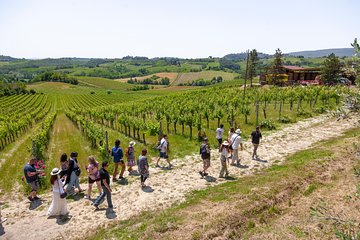
Sweltering in the summer (in particular Florence), Tuscany shows its best sides in the spring and fall. Fall is a great time to visit the slow food-obsessed region, when the cucina contadina (farm cuisine) comes to life with festivals dedicated to seasonal produce, local game, and foraged truffles. September and October are peak months for harvesting grapes. Some vineyards even let visitors roll up their sleeves and help pick grapes while others offer unique experiences such as horseback riding paired with wine tastings.

In June the Tuscans don medieval colors and compete in Roman-style horse races, Renaissance-era “football” games, and traditional boat races. Siena’s world-famous Palio horse race is held later, in July and August. This is also the best time to swim in the Tyrrhenian Sea and Ligurian Sea (many people are unaware that Tuscany also includes a stunning coastline) and hike in the Apuan Alps.

With fewer crowds in Florence, Pisa, and Siena, winter can also be a good time to visit Tuscany. You can even ski and snowboard in Tuscan-Emilian Apennine National Park. Keep in mind, however, that some hotels and restaurants close during the winter months. Castelfalfi, for example, usually closes in January and doesn’t reopen until March or April.

Getting around

The Trenitalia national rail network connects regions in Italy with Tuscany’s major cities. Expect fast, affordable, and reliable public transportation; though some cities, like Siena, require transfers to slower regional trains. Further afield, smaller villages, natural parks, and tourist destinations can only be reached via buses, which don’t always have convenient schedules. Much of the countryside is best seen on indulgent drives along single-lane roads—which also happen to be perfect for cycling.

Traveler tips

To really learn the lay of the land on a “slow-travel” experience, visitors can discover Tuscany on foot. The Via Francigena is an old pilgrimage route that meanders through Tuscany on its way from Canterbury to Rome. With some advance planning, travelers in decent physical shape can easily tackle the sections—called tappe in Italian—from the medieval hill towns of San Gimignano, Monteriggioni, and Siena in three to four days, enjoying food and wine at local farms along the way.

If you prefer to explore by bike, you’re in luck. Tuscany is a popular place to cycle. The months of May, June, September, and October offer the best weather and less traffic. Whether you want a seaside route, rolling hills through the countryside, or climbs in the Alps, you’ll find them here. Many bike rental companies offer guided tours if you don’t want to have to worry about getting lost or fixing your own flat tire.

en
add73e28-9478-4b15-9c93-9a447dfa92b9
attraction_list
People Also Ask
Q:What is Tuscany best known for?
A:

That iconic photo of Italy you’ve seen—the one of a cypress-lined country lane zigzagging its way toward a hilltop villa through vineyards, olive trees, and sunflower fields—was snapped in Tuscany. This region is known for its postcard-perfect landscapes sprinkled with medieval villages, storied wineries, and Renaissance estates. Of course, it would be remiss not to mention Florence. The city welcomes around 11 million visitors annually and is home to the Piazza del Duomo, one of Europe’s most famous sites. Still, when most people hear the word Tuscany, their mind goes to pastoral places, not urban areas.

Q:How many days should I spend in Tuscany?
A:

Tuscany is a sprawling region, home to both Florence and Pisa. Spend at least three days to touch on the most famous towns and villages of Chianti and Val d'Orcia. To take in Florence’s Renaissance treasures and the Leaning Tower of Pisa, you’ll need at least two more days.

Q:What wine is Tuscany known for?
A:

Vineyards cover much of Tuscany, and the Chianti region produces a number of Italy’s most prestigious wines. Headliners include Chianti Classico, Brunello di Montalcino, nobile di Montepulciano, and Vernaccia di San Gimignano produced in the hills of Chianti and the Val d’Orcia, as well as the coastal Bolgheri reds. If you don’t drink alcohol, or do but get tired of wine tastings, keep in mind that Tuscany also produces some of the world’s best olive oils.

Q:Is Tuscany expensive to visit?
A:

Not necessarily. Agriturismo (farm holiday) stays, casual trattoria meals, and tours of the smaller hill towns are ideal for budget travelers who are keeping their eye on the bottom line. Those looking to splurge can choose luxury wine estates, Michelin-starred restaurants, and the elegant city of Florence for sightseeing.

Q:What is the prettiest town in Tuscany?
A:

Tuscany has a collection of delightful hilltop towns to visit, all of which offer historic cityscapes and scenic views. With its medieval towers and picturesque city center (designated a UNESCO World Heritage Site), San Gimignano is certainly in the running. Montepulciano, Montalcino, Pienza, and Pitigliano, are also contenders. So is Cortona, the setting of Under the Tuscan Sun. The larger towns of Siena and Lucca are also known for their elegant historic centers.

Q:What is the best town to stay in Tuscany?
A:

Siena is the best option for a small town that offers A-list sights, dining, and shopping—plus convenient train connections. For a village atmosphere, Pienza is a great choice, though its lack of a train station makes getting around a challenge. City slickers should opt for Florence, Tuscany’s capital and transport hub.