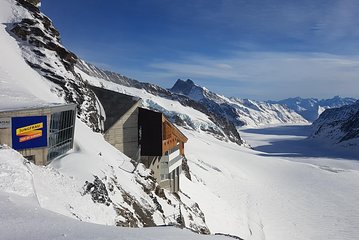
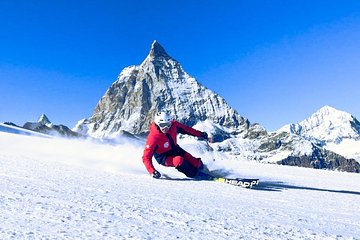
Panoramic view on Swiss Alps and blue sky, Switzerland

Things to do in  Swiss Alps

Head for the hills

Home to big and bold European peaks like the Matterhorn and the Eiger, the Swiss Alps comprise Switzerland’s largest area, covering around two-thirds of the country. When you think of Switzerland, chances are you’re picturing the Swiss Alps. There’s a long list of things to do in the Swiss Alps, thanks to big hitters such as the Bernese Oberland, Lake Lucerne, and the Aletsch Glacier, a UNESCO World Heritage Site. The region tempts international snow sports lovers with varied terrain and rustic-luxe resorts and woos fair-weather explorers with hiking trails, Alpine meadows, and national parks, too. Fondue eating and scouting out James Bond film locations are among the many things that make the Swiss Alps such a top tourist destination.

Top 15 attractions in Swiss Alps

Top activities in Swiss Alps

All about Swiss Alps

Time Zone
CEST (+1)
When to visit

The Swiss Alps are beautiful year-round but very different in winter and summer. For winter sports, the ski season starts in December and ends in early April, while some slopes stay open year-round in glacier resorts like Zermatt. And if you want to catch a major event, time your stay to see the Ski World Cup Lauberhorn, held each year in January in Wengen. In spring, the snow gives way to meadows peppered with wild blooms, offering scope for scenic hikes through to fall.

Getting around

While cars usually mean freedom, this isn’t the case in the Swiss Alps, where many popular villages (Zermatt, Wengen, Mürren, and Saas-Fee) are car-free. So, skip the car hire and take the train instead. Once there, cable cars, chair lifts, mountain railways, and buses take over. If you plan to explore the Swiss Alps or visit both Alpine regions and cities in Central Switzerland, the Swiss Travel Pass is a great option, covering journeys on most forms of transport around the country.

Traveler tips

The Swiss rail network is known for its well-connected and efficient routes nationwide. And since the Swiss Alps cover so much of the country, these train rides are scenic, too. Check out the Glacier Express or the Bernina Express trains that both cross the Swiss Engadin Alps, the Jungfrau Railway that takes you to Europe’s highest railway station in the Jungfrau region, or one of the world’s steepest cogwheel railways to Mt. Pilatus.

en
e0e9cca7-4d22-48e7-afc7-0d51912255cf
attraction_list
People Also Ask
Q:What things to do in the Swiss Alps are there?
A:

Snow sports like skiing, snowboarding, ice-skating, sledding, and snowshoeing are popular winter things to do in the Swiss Alps, while summertime fun covers hiking, climbing, lake swimming, and mountain biking. Photography and mountaineering are popular year-round, while extreme adventurers will enjoy high-altitude activities such as paragliding, rappelling, canyoning, and bungee jumping.

Q:What is famous about the Swiss Alps?
A:

The Swiss Alps are famous for snow sports and scenery, boasting some of the highest and most iconic peaks in the more comprehensive Alps mountain range. Here, you can find the Matterhorn (aka the Toblerone mountain), the Eiger, and the Jungfrau, along with Lake Brienz and the sublime ski town of St. Moritz.

Q:How do you explore the Swiss Alps?
A:

Geneva, Zurich, and Milan Malpensa are good gateway airports to the Swiss Alps for visitors arriving on international flights. Once there, the train network easily links the bigger cities to the mountain towns. And once you’re in the mountains, the gondolas, funiculars, cog-wheel trains, and chairlifts take center stage.

Q:Can you do a day trip to the Swiss Alps?
A:

It depends on where you’re staying. Guided day trips take the hassle out of the logistics to give you more time in the mountains when you arrive. Many Swiss Alps day trips depart from Milan, Bergamo, and Como in Italy or Zurich, Bern, Basel, Geneva, or Lausanne in Switzerland.

Q:Are the Swiss Alps expensive?
A:

Yes, many things in the Swiss Alps are more expensive than other European countries—particularly food and accommodation. For example, if you pay for an espresso coffee in euros in Switzerland, it’s often around four euros; while the price of an espresso in Italy is closer to one euro.

Q:What month is best for the Swiss Alps?
A:

For skiers, the most snow-sure month is February. However, the slopes are likely to be busy, and accommodation prices are even higher than usual, especially in the British school “half-term” vacation week. For visitors who don’t want snow, the summer months between June and August offer warmer days and (mostly) sunny weather.