
Things to do in Budapest

Things to do in  Budapest

A city built on indulgence

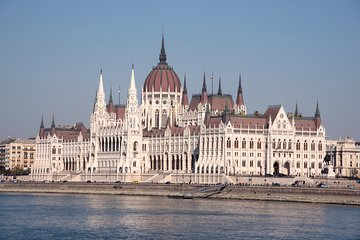
Elegant, lively Budapest is like three cities in one. The Hungarian capital boasts three historic districts, each with its own unique ambiance. Pest, east of the Danube River, is home to big-ticket museums like the Hungarian National Gallery, Heroes’ Square and City Park, and the Hungarian State Opera House dating from the 19th century. The quieter Obuda and Buda Hills on the western riverbanks are where you’ll find Castle Hill, with Matthias Church and the Fisherman’s Bastion, the Budapest History Museum, and the Royal Palace. Reward your sightseeing with one of the most popular things to do in Budapest: a hot soak in a thermal bath.

Top 15 attractions in Budapest

Top activities in Budapest

All about Budapest

Time Zone
CEST (+1)
When to visit

Budapest is best during the shoulder seasons. During spring and fall, you’ll encounter fewer crowds than in the sticky summer months and enjoy pleasant daytime temperatures—ideal for exploring both sides of the Danube River on foot. Although, if you can brave the cold, the Hungarian capital comes alive in December during the lead-up to Christmas, with holiday markets, fairy lights, and ice-skating rinks giving the city an extra festive vibe.

Getting around

Not only is Budapest super walkable, but it has a public transportation system well worth boasting about. There are four subway lines connecting the downtown areas and Budapest Keleti station. (You won’t see turnstiles, but tickets are frequently checked, so don’t try to score a ride for free.) You’ll also find tram lines and a well-connected bus network that serves the Budapest Ferenc Liszt International Airport. What’s more, the city has bike shares and water taxis along the Danube, not to mention ride-hailing apps.

Traveler tips

You can’t go to Budapest without making time for a nice long soak in one of the city’s thermal baths. The most popular are the art nouveau-inspired Gellért Thermal Bath on Gellért Hill, the neo-baroque-style Széchenyi Baths, and the Ottoman-era Rudas Baths. Just make sure to bring a towel, a swim cap, and shower sandals, or you might have to rent or purchase those amenities for a hefty fee. And avoid peak hours when the over-crowded heated pools are likened to “people soup.”

en
1f19b02c-dec9-4ae1-8e14-10c9181ee5f6
attraction_list
People Also Ask
Q:What is Budapest famous for?
A:

Originally three distinct cities—Óbuda and Buda, and Pest on the other side of the Danube River—Budapest is the elegant and historic capital of Hungary. Top things to do in Budapest include visiting its steaming thermal baths, savoring its goulash stews, and taking in iconic sights like the lion-guarded Chain Bridge, the Hungarian Parliament building, and panoramic Castle Hill.

Q:What are the do's and don'ts in Budapest?
A:

Don't see any turnstyles in the metro station? Don't assume you can ride for free; tickets are frequently checked by hand at the exit. And when hitting the baths, do remember to bring your own towel and sandals. Those that arrive empty-handed are often made to purchase an exorbitant entry package that includes a paper-thin cloth.

Q:Can you do Budapest in 3 days?
A:

Yes, you may only be scratching the surface, but three days in Budapest is enough to tackle the major sights plus verdant Margaret Island. Plan a walk up Castle Hill to see the Fisherman’s Bastion and Buda Castle, take a dip in one of the city’s historic bathhouses such as Széchenyi Baths, and visit the ornate Dohany Street Synagogue.

Q:What should I not miss in Budapest?
A:

Hungary was under Ottoman occupation for 150 years, and hilly Buda formed its cultural and administrative center. Don’t miss traces of Ottoman heritage, including the city’s oldest bathhouse—16th-century Kiraly Bath—and a serene hilltop shrine and fascinating museum both dedicated to a Turkish-born Sufi dervish, Gul Baba.

Q:What should I not miss in Budapest?
A:

Hungary was under Ottoman occupation for 150 years, and hilly Buda formed its cultural and administrative center. Don’t miss traces of Ottoman heritage, including the city’s oldest bathhouse—16th-century Kiraly Bath—and a serene hilltop shrine and fascinating museum both dedicated to a Turkish-born Sufi dervish, Gul Baba.

Q:What language is spoken in Budapest?
A:

Hungarian is spoken in Budapest—not a Slavic language, as is often thought, but one actually related to Finnish. While English is understood within popular tourist areas, you’ll do well to memorize a few basic words and greetings, like szia (hello or goodbye), köszönöm (thank you), and bocsánat (I’m sorry).

Q:Do you need a guide to visit Budapest?
A:

When it comes to European destinations, Budapest is excellent value—it’s essentially three cities in one. But with so much to see, it’s hard to know where to begin. Get your guide to show you a mix of highlights and hidden gems, so you can get your bearings in Hungary’s history-rich capital with ease.