
9 Spanish Islands You Won’t Want To Skip This Summer


Spain is famous for its sunshine and gorgeous beaches—Costa del Sol, anyone?—and, in summer, people from all across the country head to the sea. (In many parts of Spain, it’s far too hot to do much else.) However, there's no need to stay on the mainland, as island visits are some of the most popular ways to experience Spain's vibrant beach culture.
Each of the country’s many islands offer a variety of stunning settings, from rocky coves in the Balearics to endless stretches of pristine shoreline throughout the Canary Islands archipelago. In short, you have plenty of options to choose from, whether you're looking for a party hub, quiet shores, or family-friendly fun—here are the best Spanish islands to visit this summer.
1. Ibiza

Make for Ibiza if you want never-ending nightlife and indulgent wellness routine options.
Party animals should head straight for Ibiza, an island that’s most popular in summer thanks to the official “season” (approximately June to September), when there are parties, DJ residences, and booze cruises galore. Famously playing host to massive nightclubs, all-day pool parties, and sunset lounges, this island is perfect for young adults who want to enjoy some serious debauchery.
That said, Ibiza isn’t just about the nightlife and cocktails. The island also invites wellness travelers into the mix, including those looking for beachside relaxation at luxury hotels, fresh farm-to-table cuisine, yoga retreats, and rejuvenating spa treatments. And when you’re not partying or doing yoga, you can explore secret beach coves, shop at hippy markets, and go hiking.
Related: 9 of the Top Beaches in Ibiza For Every Type of Traveler
2. Formentera

Formentera is the place to enjoy perhaps the most idyllic beaches in Spain.
The smallest of the four main Balearic Islands, laid-back Formentera is known for its chill beach culture and for its famous Ses Illetes Beach, which has repeatedly been voted one of the top beaches in the world.
Although you can spend the night in Formentera, hotel space is limited and accommodation can be expensive and hard to find in the summer. Instead, consider visiting on a day trip via boat from Ibiza. That way, you can enjoy the island’s white-sand beaches and relaxed vibes without overspending on lodging; plus, the whole place is small enough that it can be explored by bike.
3. Menorca

Menorca dishes up sleepy, beach cove vibes in the Balearics.
Menorca is the serene little sister of the Balearic Islands, known for its hidden beach coves and quiet luxury. This island does see tourism pick up in the summer but still remains slightly calmer than many of its other Balearic siblings, making it ideal if you want a quieter escape.
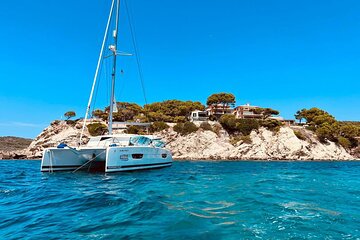
Head to the capital, Mahón, to get a bit of history and explore the fish market and harbor, then be ready to hike, swim, and explore the island’s various calas (beach coves) which have waters so clear you may think you’re actually in the Caribbean. You can also explore by sailing along the island’s coast or taking Jeep safari trips.
4. Tenerife

Head to Tenerife for black sands, vineyards, and family-friendly adventures.
The largest of Spain’s Canary Islands, family-friendly Tenerife is the ideal spot to visit with kids that want to explore, enjoy beach time, and check out one of Europe’s largest water parks—Siam. If you’re mostly visiting for some beach fun, base yourself in Costa Adeje, where you’ll find golden sands and beach coves with shallower waters that are ideal for children.
But Tenerife isn’t just for families. Adventurous types should visit some of the black-sand beaches in the north, stopping by the island's massive volcano, Mt. Teide—which you can see via cable car—and hiking the misty mountains of Anaga. And wine enthusiasts will also find plenty to love in Tenerife, which is home to five different wine regions.
5. Fuerteventura

Fuerteventura is for surfers and travelers who enjoy off-the-beaten-path destinations.
This island’s name means “strong winds,” and the area’s reliably breezy gusts make it the perfect spot for surfers (both budding and advanced), windsurfers, and kite surfers. Fuerteventura also has endless golden sands that can feel practically empty compared to other hot spots in the region—highlights include Flag Beach, in the north, and the pristine Cofete, which is part of a natural reserve that sits at the base of the island’s volcanoes.
If you end up with cloudy weather during your trip, head to the village of Betancuria, a tiny, whitewashed town set among a unique combination of desert and volcanic landscapes. This was the capital of the island until 1834, and now offers laid-back museums and other attractions.
6. The Cíes Islands

The Cíes Islands are the place to experience pristine nature in Spain.
If you plan to escape Spain’s intense summer temps by heading north to the rainier, cooler region of Galicia, make sure to boat over to the Cíes Islands, a small archipelago located off the coast of Pontevedra. The three islands that make up the group are part of the Atlantic Islands of Galicia National Park and are home to fine white sands, chilly waters, and pine-covered hills.
To take a day trip, you’ll need to get authorization first and purchase a boat ticket ahead of time, as this is a protected space. Keep in mind that this also isn’t the kind of island with amenities such as beach bars and chair rentals, so bring your own food and plan to picnic. If you want to stay the night, you’ll have to plan ahead.
7. Tabarca (Nueva Tabarca)

If you're looking for a secret Mediterranean island paradise, Tabarca should be high on your list.
Travelers who head to the Costa Blanca—which includes destinations such as Alicante, Valencia, and Benidorm—in the summer can expect to frolic in warm Mediterranean waters and enjoy busy, lively beaches. Now, if you want a similar setting without the crowds, consider heading to Tabarca (officially Nueva Tabarca), which is just a short boat ride away from the Port of Santa Pola.
The island is tiny, so you can visit on a day trip if you like. While you're there, stop by the lighthouse, snorkel in the island’s clear waters, and stroll around the walled historic town center. The Nueva Tabarca Museum is also worth a visit—if only for a bit of respite from summer’s hot sun.
8. Mallorca

The big sister of the Balearics, Mallorca is the ideal Spanish island for first-time visitors.
Mallorca is the largest of the Balearics islands, and an easy flight from nearby Alicante or Barcelona. Helmed by the capital Palma—where you’ll find the gorgeous Gaudí-restored Gothic La Seu Cathedral towering over the downtown skyline, as well as local restaurants, and art galleries—this Spanish island is also home to several natural attractions worthy of exploration.
Check out the UNESCO–listed Serra de Tramuntana, an excellent spot for a summer hike or mountain biking experience, before taking a boat ride through the impressive Caves of Drach. Once you’ve finished there, take some time to visit the walled city of Alcudia and lounge on Mallorca’s best beaches, from Cala Mitjana to Es Trenc.
Did you know?: As on the other Balearic Islands, Catalan is an official language in Mallorca.
9. Lanzarote

Laid-back Lanzarote is an alternative to neighboring Tenerife, home to great wine and even better views.
In the Canary Islands, Lanzarote has long been a vacation favorite among Brits and Spaniards, but it’s now finding its footing on the global stage. Like Tenerife to the west, this volcanic island is also known for its black sands and vineyards in La Geria—here, you can sample plenty of local wines, perhaps over dinner, before making the most of the island’s natural appeal.
Timanfaya National Park is undoubtedly the top Lanzarote attraction, and tours there often include a camel ride through the luna-esque landscapes. However, you should also carve out time to visit Papagayo Beach and the Cactus Garden of César Manrique that’ll have you feeling like you’ve swapped Spain for Mexico.
Book more things to do in Spain




Keep planning your Spain trip


