
Alicante promenade and cityscape on a sunny day, Spain

Things to do in  Alicante

Holiday with history

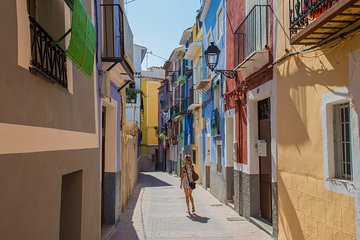
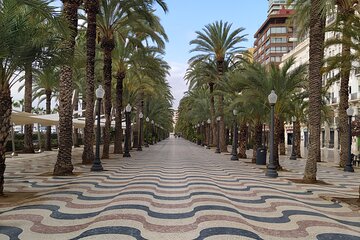
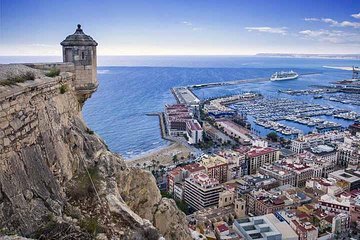
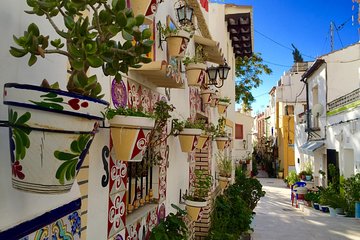
Backed by jutting mountain peaks and lined with the cream-colored sands of the Costa Blanca (White Coast), Alicante exemplifies Spain’s natural landscapes. But things to do in this culture-rich city don’t stop at swimming, sailing, and hiking. Alicante’s atmospheric Old Town features grand, historic buildings dating as far back as the 15th century. The Plaza de San Cristobal is the ideal place to feast on al fresco tapas, while the nearby Santa Barbara Castle (Castillo de Santa Bárbara) is one of Europe’s largest medieval fortresses.

Top 15 attractions in Alicante

Top activities in Alicante

All about Alicante

Local Currency
Euro (€)
When to visit

As rainfall is scarce in this semi-arid region, there’s never a bad time to visit Alicante. Even in winter (December–February), temperatures hover around 64°F (18°C), making it the ideal time to escape the chill elsewhere. In summer (June–September), the beaches are at their most crowded and the hotels most expensive, so visit in May or October for great weather without the crowds or elevated prices.

Getting around

Alicante is relatively flat and compact, which makes walking the ideal way to soak up its Mediterranean charm. Many of the streets in the Old Town are cobbled, which might make things bumpy for people using wheelchairs or strollers. The Alicante Tram is on hand if you want to explore further afield—it connects the city center to neighboring towns such as Benidorm and Denia and to San Juan Beach, considered one of the city’s best.

Traveler tips

Once you’ve seen all of Alicante’s inner city sights, embark on a day trip to Guadalest Valley. This mountainous jewel is characterized by a turquoise river, forest-blanketed peaks, and Moorish hilltop castle that towers over the valley. From the village of Guadalest—home to quaint cobbled streets and a museum—you can tackle the 5.9 miles (9.5 kilometer) reservoir loop hiking trail, which reveals the best views of the natural landscape.

en
da13d26f-1a2f-409c-ba49-34a709a07491
attraction_list
People Also Ask
Q:Is Alicante worth visiting?
A:

Yes, Alicante is worth visiting. Rich with history, heritage, and atmosphere, the Old Town quarter is also full of boutique shops and outdoor restaurants with classic Spanish tapas. You can dip into a sandy beach lapped by the warm waters of the Mediterranean Sea, too.

Q:What is Alicante best known for?
A:

Alicante is best known as a popular holiday resort among European travelers. It's famous for its vibrant nightlife scene, international restaurants, and location on Spain’s Costa Blanca—known for its golden sand beaches and warm water. Its Old Town, where buildings date back to the 15th century, is also a draw.

Q:Is Benidorm or Alicante better?
A:

Benidorm is better if you’re looking for a home away from home—its large British expat community has resulted in a slight dilution of Spanish culture, but it still charms with its small Old Town. Alicante is a more upmarket alternative and a better place to immerse yourself in Spanish culture.

Q:How long should I spend in Alicante?
A:

Three days is the perfect amount of time to spend in Alicante—this gives you a chance to swim and sunbathe on the beach; soak up the historical charm of the Old Town; feast on fresh seafood al fresco style; and take a day trip to hike in the mountains.

Q:What are the top attractions in Alicante?
A:

Alicante’s top attractions include Santa Barbara Castle, a medieval fortress with views; 17th-century San Nicolás Cathedral and Basilica of Santa Maria; and Port of Alicante, where you can feast on fine foods, roll the dice at a casino, or sip a sunset cocktail at a swanky bar overlooking the marina.

Q:What kind of food can I try in Alicante?
A:

Thanks to its prime position on the Mediterranean Sea, many Alicante dishes include freshly caught fish. One of the most popular is arròs a banda, a rice dish cooked using fish broth, potatoes, and onions. It’s also famous for morcilla de cebolla, a blood sausage native to the Alicante province.