Things to do in Mallorca

Things to do in  Mallorca

It’s popular for a reason

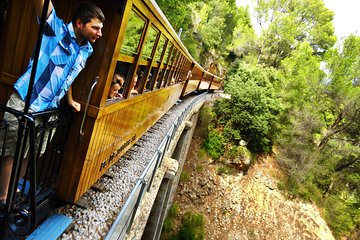
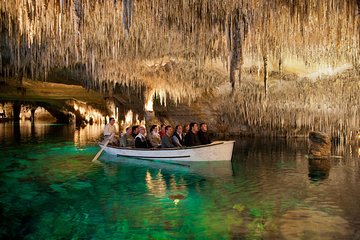
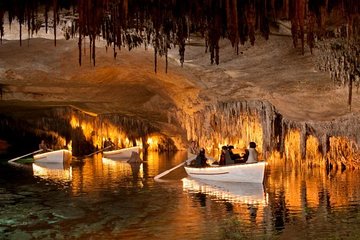
The largest of Spain’s sunny Balearic Islands, Mallorca boasts a bounty of beautiful beaches—plus an airport and cruise port, so everyone can get there and explore them. For visitors who want to fly and flop, it makes an easy vacation; while visitors who want excitement will find plenty of things to do in Mallorca. The capital Palma offers old-town sightseeing, art galleries, tapas, and nightlife; while elsewhere, natural landmarks like the Serra de Tramuntana mountains—a UNESCO World Heritage Site and home to the island’s highest peak—and the Caves of Drach offer scope for walking, photography, concerts, and more.

Top 15 attractions in Mallorca

Top activities in Mallorca

All about Mallorca

Local Currency
Euro (€)
When to visit

Sunseekers love July and August when average maximum temperatures hover around 85°F (30°C) and the seas are warm. Spring and fall offer cooler temperatures better suited to sightseeing, hiking, and golfing, and travelers seeking solitude and nature will appreciate January–March when the island is quiet but bursting with almond blossoms. The shoulder seasons host numerous cultural events, but summer sees a crescendo in things to do in Mallorca, with night markets in the resort cities and traditional village fiestas lighting up August.

Getting around

When it comes to exploring, most visitors choose to rent a car from the many car rental companies on the island, as three motorways link Palma with the Palma de Mallorca Airport and the southwest and north coasts. If you’re planning only occasional trips, the island’s bus and rail networks are reliable transit options, with buses traveling between the main hubs and trains connecting Palma to Inca and beyond. Guided sightseeing is another option come summer, with many island-wide tours available to take you to the top attractions and national parks.

Traveler tips

For traditional island bites with a side of stunning scenery, head to the Café Sa Plaça de Galilea in hilltop Galilea, just north of Calvià. Granted, you’ll need to brave a twisty road up to the village—the only way here is by car or bike—where you’ll find this little gem facing the church. Grab an outdoor table to soak up the cinematic mountain-and-sea views as you savor bread and olive oil served with coffee or chilled beer.

en
ffaf4d68-8c1b-48f1-b379-f27ffbb04cab
attraction_list
People Also Ask
Q:What is Mallorca known for?
A:

One of Spain’s Balearic Islands, Mallorca is known for its sparkling coastline, varied architecture, and beaches set in quiet coves. The historic streets of the capital city of Palma de Mallorca, and the Palma Cathedral are also a draw. People travel to the island to sunbathe, swim, fish, boat, and feast on Spanish fare.

Q:What is the main attraction in Mallorca?
A:

The main attractions include the Cathedral of Santa Maria of Palma, the scenic Cap de Formentor with a lighthouse, and the hilltop Bellver Castle. The capital city of Palma de Mallorca with its charming, historic streets is also a top island attraction.

Q:How many days do you need in Mallorca?
A:

Travelers need a minimum of two days to explore the island, but many people plan a week or two to soak up the island atmosphere. In addition to the capital city of Palma de Mallorca, the island is home to many secluded coves, lush natural parks, and charming hilltop villages.

Q:What is the nicest part of Mallorca?
A:

There are several nice parts of the island. Most travelers stay in Palma and are familiar with the south coast's beautiful beaches and hotels, specifically the southwest, as it's near the airport in Palma. Other popular options include the hilltop village of Deia in the west, the medieval town of Alcudia in the north, and the beaches along the east coast.

Q:What is there to do in Mallorca?
A:

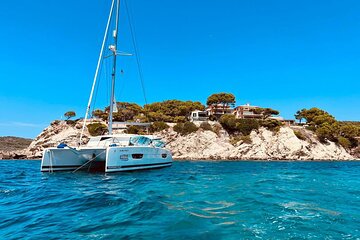
Mallorca offers a relaxed beach getaway. Things to do in Mallorca include swimming, sunbathing, snorkeling, fishing, and boating. There are also several historic landmarks—including the home of British poet Robert Graves—and scenic lookout points including a lighthouse. The capital city of Palma de Mallorca is a historic destination worth exploring, too.

Q:Is Mallorca expensive?
A:

Yes and no. Mallorca is home to some very expensive hotels and restaurants. But it also offers plentiful options for reasonably priced meals, drinks, and shopping. Travelers on a budget seeking modest options will find inexpensive restaurants and bars in several areas of Mallorca.