Tours and Tickets to Experience Bell Rock
41 results
Bell Rock

- Bell Rock has hiking trail options to suit everyone from wheelchair users to those looking for strenuous climbs.
- The small parking area has picnic tables, accessible vault toilets, and a hiking map.
- A Red Rock Pass (or National Parks Pass) must be displayed on your windshield while parking in the Bell Rock area.
- The trails have little shade so bring sun protection and plenty of drinking water.
People Also Ask
There are plenty of ways to experience Bell Rock. Looking at ratings and reviews previously given by customers, these are the best tours available right now:
Visiting Bell Rock requires a Red Rock Pass: day passes cost US$5, weekly passes are US$15, and annual passes are US$20. Whichever duration you choose, your pass includes access to 19 sites within Sedona. Bring a credit card, since machines don’t accept cash payments.
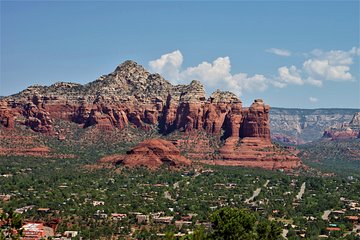
Shaped like a bell, this rust-red peak is one of Sedona’s most distinctive rock formations. It is also home to the Courthouse Butte and Bell Rock Loop trail, which is relatively flat and ideal for families and beginning hikers. It stretches for around 3.6 miles (5.8 kilometers), passing through one of Sedona’s four major energy vortexes.
Peak season lasts from September through mid-December, and from March through May, when you’ll find the mildest weather, but also the biggest crowds. Winter is great for quieter trails, although expect the occasional dusting of snow. Hiking isn’t recommended in summer, when soaring temperatures pose real risks.
Yes, you can visit Bell Rock on your own, although having a hiking buddy is always recommended on trails. Also, be warned that the parking lots fill up fast, so head to the trailhead early if you’re driving your own vehicle. When in doubt, consider joining a guided tour that includes transportation.
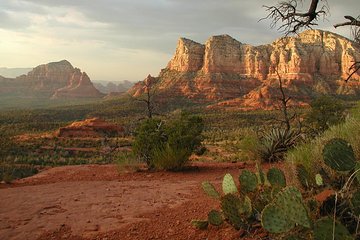
Aim for the early morning or late afternoon, especially during warmer months or peak season (only hike at midday during the winter). The light changes during sunrise and sunset, and photographers should aim for the post-dawn or pre-dusk golden hour to catch the rock awash in warm, buttery tones.