
Know Before You Go: Hiking the Inca Trail


Stretching 28 miles (46 kilometers) through some of South America’s most spectacular scenery, the Inca Trail hike is a rite of passage for adventurous travelers exploring Peru. The serpentine route is part of Qhapaq Ñan, a UNESCO World Heritage–listed Andean road network built more than 800 years ago that is (literally) high on every trekker’s bucket list.
But while the mountainous landscapes leading to Machu Picchu are exquisite, this challenging trek requires more than just a bag of trail mix. The route reaches heights of up to 13,780 feet (4,200 meters), and the altitude can be punishing if you don’t prepare properly. This Machu Picchu trekking guide provides everything you need to know before you embark on the Inca Trail.
What will I see on the Inca Trail?

Prepare for mountain landscapes that make you feel a million miles away from modern life.
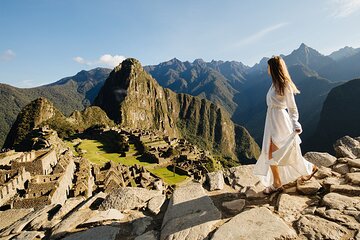
The crowning glory of the Inca Trail is undoubtedly Machu Picchu, a UNESCO World Heritage Site and World Wonder that makes the hard parts of the route oh-so-worth-it. Watching the sun rise and the clouds part at the Lost City of the Incas is guaranteed to wipe your memory of trudging up even the steepest stone staircase.
However, while Machu Picchu might be the best-known archaeological site, it’s not the only Inca ruin you’ll see on the trail. You’ll pass six other bonus ruins that you can enjoy without the crowds. Highlights include the ancient village of Sayacmarca (perched on a cliff edge) and the agricultural terraces of Patallacta (Llaqtapata).
What’s the best time to hike the Inca Trail?

Peru’s dry season is a popular time to hike the Inca Trail, so permits sell out even faster.
The dry(ish) season from May through September is undoubtedly the best time to hike the Inca Trail, as this is when you’ll have the highest chance of clear skies and sunshine. However, this is Peru’s winter, so temperatures will still feel cold, especially at night. You might still encounter the odd shower, as such high altitudes can create microclimates that don’t follow seasonal patterns.
And while the rainy season does have some perks—including cheaper accommodation, lusher landscapes, and more permits—muddy trails can make trekking even harder. You also have a higher chance of getting the money shot of Machu Picchu from above in the dry season, when it’s less likely to be obscured by clouds. The whole Inca Trail is closed during February, though, as this is the rainiest month.
How fit do I need to be for hiking the Inca Trail?

No matter how much you train, the altitude will have the biggest impact on your fitness.
While the moderate-hard route might not seem particularly challenging to avid hikers, altitude can affect people in different ways and a good level of fitness is recommended to complete the ancient Inca Trail. Still, even the most athletic can struggle at such great heights, so proper altitude acclimatization in Peru is actually more important than spending weeks training.
If the prospect of the Inca Trail feels too daunting, there are other options. The shorter, less strenuous Lares Trek sees fewer punishing inclines, while the Inca Jungle Trek focuses more on exhilarating activities—think: mountain biking, ziplining, and white-water rafting—for a more adventure-driven route.
What tour options are available for hiking the Inca Trail?

Permits for the Inca Trail sell out fast, so secure your spot well in advance.
Before you start researching your Inca Trail tours, it’s important to understand Inca Trail permits and regulations. Only 500 people are allowed on the trail per day, so while permits might be easier to come by than, say, a Taylor Swift ticket, they do sell out fast and advance booking is paramount.
Guided Inca Trail tours come in all shapes and sizes, but the most popular option is the 4-day trek, which lets you walk at a more relaxed pace. If you’re pressed for time, 2-day hikes take a reduced route that leads to Machu Picchu via the Sun Gate. Some even make up ground with round-trip train rides through the Sacred Valley.


How should I prepare for the altitude of the Inca Trail?

Letting yourself acclimatize, chewing on coca leaves, and taking medication are all ways to handle the altitude.
If you’re short on time and high on energy, you might want to start your Inca Trail trek as soon as you land. But there’s a reason that holding fire and letting your body adjust to Cusco’s 11,200-foot (3,400-meter) altitude is one of the top Peru travel safety tips. It’s recommended to spend at least three days acclimatizing to the lower levels of oxygen, which can cause you to feel dizzy, nauseated, and short of breath even walking short distances on flat ground.
Locals swear by coca leaf tea or chewing coca leaves, but medication to help mitigate the symptoms of altitude sickness is available, so it might be worth discussing with your doctor before you depart. Additionally, most Inca Trail preparation advice says to avoid alcohol, drink lots of water, and eat smaller meals to make the adjustment easier. Be sure to break in your hiking shoes before you set off, too, as the last thing you want is blisters.
What should I wear and bring when hiking the Inca Trail?

A well-packed bag will make your Inca Trail experience even better.
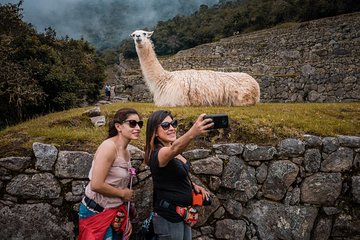
Warm clothes should be at the top of your Inca Trail packing list—while you might break a sweat during the day, evening temperatures drop significantly, so lightweight thermal underclothing is ideal. If you’ve packed light, Cusco’s markets are full of colorful sweaters, hats, and gloves made from the alpaca wool of the famous furry locals. To ensure you’re enjoying sustainable trekking in Peru, bring a ziplock bag for your trash and a headlamp to make your way to the bathroom in the dark.
Walking poles will also feel like a lifesaver when your calves are starting to burn, as they allow you to use your arms rather than just your legs while walking—you can rent them from outdoor stores in Cusco. Most tour companies provide and carry your camping gear and food, so you won’t be laden with tents and camping stoves though. And there’s no electricity on the Inca Trail, so bring a fully charged battery pack if you want to keep your phone on for photos.
Is the Inca Trail accessible for wheelchair users?

The Inca Trail’s rugged terrain makes it inaccessible to wheelchair users.
Unfortunately, the Inca Trail is not suitable for travelers with limited mobility. Uneven ground and steep, stone staircases throughout render it inaccessible to wheelchair users. However, there are many other ways to explore Machu Picchu and the Sacred Valley that aren’t as physically demanding.
Taking a panoramic sightseeing train, such as the Vistadome, lets you soak up the Sacred Valley without having to traverse it, while the Circuit 3 route of Machu Picchu’s lower citadel accommodates visitors with mobility issues.
Frequently asked questions

Everything you need to know about hiking the Inca Trail.
Do I have to carry my own luggage when hiking the Inca Trail? No, you won’t typically have to carry large luggage when hiking the Inca Trail, as most tour packages include porters. While porters tend to take care of the heavier items up to a certain weight limit, you’ll still be responsible for carrying your own day pack with snacks, sunscreen, and water.
What are the campsites and facilities like on the Inca Trail? The campsites on the Inca Trail are basic, though they do have simple facilities such as restrooms. You won't find any showers along the Inca Trail, though there is cold running water to wash your hands and face with. Don't forget your battery pack to charge your electronics.
Are there any age limits for hiking the Inca Trail? There aren't any strict age limits for hiking the Inca Trail, though many tour providers suggest a minimum age of 7–12 years. Not only is the route difficult, but the basic campsites and facilities might not appeal to younger kids. Some operators also recommend a maximum age of 70, with a doctor’s sign-off.
Book more things to do in Peru








Keep planning your Peru trip


