Things to do in Porto

Things to do in  Porto

Whose wine is it anyway?

Characterized by cobbled hills, colorful tiled facades, and a tumble of terracotta roofs, Portugal's second city is a laid-back destination that blends old and new world charm with ease. From the modern Casa da Música and Don Luis Bridge to the steep streets of riverside Ribeira, historical Baixa—home to the Lello Bookstore—and trendy Cedofeita, there's no shortage of things to do in Porto. After hours, sample decadent pastéis de nata (custard tarts) and smooth tawny ports; take a Rabelo boat ride down the Douro River; or catch a late-night Fado performance.

Top 15 attractions in Porto

Top activities in Porto

All about Porto

Local Currency
Euro (€)
When to visit

Falls and winters here in Northern Portugal are mild but wet, so if you want to have fun (and see the sun) aim to visit during the warm spring months of May and June—or in September once the summer crowds have departed and you can have the historic center to yourself. The city's most famous festival is undoubtedly St. John's Festival (Festa de São João), when the entire city takes to the streets to celebrate its patron saint with outdoor parties, a fireworks display, and an abundance of plastic hammers. St. John's Festival starts on June 23 and carries on through the next day.

Getting around

Porto is a small city and navigable on foot—if you don't mind ascending some steep hills. However, its trams (electricos) are fast and photogenic ways of getting around. There are three tram routes (linhas 1, 18, and 22), with line 1 being the most scenic. It trundles along the River Douro and stops at attractions such as the Arrábida Bridge and Foz district, but it can get extremely busy—if it's too crowded, the 500 bus follows the same route.

Francisco Sá Carneiro Airport, where most travelers fly in and out of, is approximately 8 miles (13 kilometers) from downtown. It's serviced by taxis and Ubers. Most rides take around 20 minutes, however, if your flight arrives during rush hour, it can take at least 30 minutes. If you want to take public transportation from the airport, simply hop on Line E (it's purple) which will deposit you at Trindade station downtown. If you're arriving by train from Lisbon, you'll probably arrive at the Campanhã Railway Station on the other side of town.

Traveler tips

Though the waterside Ribeira and the nightlife-dense Baixa neighborhoods tend to attract the most visitors, the chic, seaside Foz district is an enclave worthy of exploration. Perched on the Atlantic coastline of Porto and characterized by golden sand beaches and rugged cliffs, the Foz district boasts a waterfront promenade lined with sophisticated seafood restaurants and cocktail bars, the 16th-century São João Fort, and the Felgueiras Lighthouse (Farol de Felgueiras).

For the best views of the city, climb up the 250-foot (76.2 meters) Clérigos Tower at Clérigos Church. If you're afraid of heights, you can also just walk across the bottom level of the Dom Luís I Bridge to Vila Nova de Gaia. Here, on the other side of the Douro, you'll get to see the city, and its romantic riverfront, from a distance. That said, most locals, especially university students, like to catch the sunset from Jardim Das Virtudes. Arrive early if you want to get a great spot on the lawn, and bring a blanket to sit on as there are very few benches and limited tables on the sidewalk.

en
161b3f88-e6c8-4ed7-8dcf-5122fd6bf245
attraction_list
People Also Ask
Q:What is Porto famous for?
A:

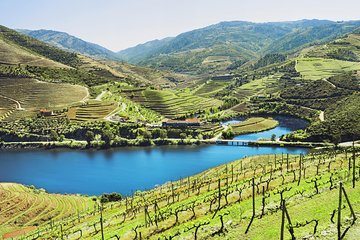
This northern city is famous for its wine, in particular its port wine. Its placement at the edge of Portugal’s Douro River made it a key location for wine transportation. In centuries past, wooden rabelo boats transported the barrels into the city for storage in large in-town cellars—ones that you can visit today. Today, Porto is popular among backpackers, digital nomads, and expats who are attracted to its affordability and authenticity.

Q:How many days do you need in Porto?
A:

If you're going to travel to Porto, 2–3 days is sufficient. Start your visit off with a guided tour of the city's top landmarks such as the Clerigos Tower, Porto Cathedral, Mosteiro da Serra do Pilar, and the Serralves Museum—a contemporary art museum housed on a beautiful estate with gardens that are a destination in themselves. Next, take a tasting-themed walking tour to sample local dishes and wines. That said, if you're really into Port, the wine for which the city is named, you'll have to tack an extra day or two onto your itinerary to visit the nearby Douro Valley where you'll find wine tours galore. It's the world's oldest demarcated wine region.

Q:Which is better: Porto or Lisbon?
A:

Porto and Lisbon each provide their own charm. Lisbon, the capital, is the busier of the two, and it also has a reputation for being more expensive and international. Porto is a bit more on the alternative side, with various art galleries; whereas Lisbon is more traditional, home to several government buildings and national museums. Both cities offer convenient public transport and an array of activities ranging from food tours to water-based adventures. It's hard to say which city is better. The ideal Portugal itinerary includes spending time in both places. Consider booking a multi-city trip which allows you to fly into one and out of the other. To travel between the two, simply rent a car or take the train or bus.

Q:What should I not miss in Porto?
A:

When visiting Porto, it's important not to miss a tour of at least one port wine cellar. There are several in the city, each with its own take on the fortified wine, and visitors can enjoy tours of the facilities followed by tastings of the sweet drink. Interestingly enough, most wine cellars in Porto aren't technically within the city limits. They're found on the opposite side of the Douro River in Vila Nova de Gaia.

Even if you don't drink wine, there are plenty of must-do's in Portugal's second city. For starters, visit Livraria Lello, also known as the "Harry Potter library." It hasn't been confirmed, but rumor has it that J.K. Rowling, who lived in Porto in the early 1990s, was inspired by this beautiful bookstore when she was writing the Harry Potter series. You'll also want to try the city's signature dish, a caloric sandwich called a francesinha. It's loaded with melted cheese, steak, ham, and sausage. Usually it's served with fries, and most locals only order it after a late night out that involves lots of drinking.

Q:Is Porto expensive?
A:

No. Porto is not expensive in terms of European cities. Most tourists find meals and drinks especially affordable. Portuguese cafe meals with a drink won’t break €15. Beers run a couple of euros at most bars and you’ll pay a bit more for a glass of wine or a cocktail.

Q:What do locals do in Porto?
A:

Portuguese people love to eat, and many locals spend evenings and weekends having meals with family and friends. When they’re not eating, Porto locals can be found strolling the city, enjoying the views at one of the many miradouros (viewpoints), or having a glass of Douro wine on a terrace.