9 Tips for a Sustainable National Park Visit


National parks protect some of the most extraordinary landscapes on Earth—ancient forests, glacier-carved valleys, volcanic deserts, and coastlines that feel untouched by time. But with hundreds of millions of visitors descending upon them each year, even well-meaning travelers can love these often delicate ecosystems a little too hard.
The good news? A sustainable national park visit doesn't require sacrifice—it simply requires intention and a bit of pre-planning. From how you get there to what you leave behind, these nine sustainable national park visit tips will help you travel lighter, tread more gently, and come away with a deeper connection to the wild places we all cherish and want to protect.
1. Choose the greenest option for getting there—and getting around

Start the sustainable practices before you even arrive by opting for low-impact transportation to national parks.
Tourism accounts for some seven percent of global carbon emissions. Of course, we have to get to the places we love somehow, but before you book that flight, ask yourself: Can you reach the park by train, bus, or carpool? Can you base yourself out of a nearby city and take group guided tours that include transportation? (Bonus: You’ll get to skip the parking woes and GPS headaches.)
Some popular parks, including Acadia and Zion, are even accessible by regional transit. Once you're inside the park, lean on shuttles, guided tours, and your own two feet as much as possible. If driving is unavoidable, consider an EV or hybrid rental—and once you arrive, park the car and leave it. Exploring one area deeply almost always beats racing between parking lots anyway.
2. Pack a green bag before you leave home

A green packing list for outdoor trips can cut your waste before your adventure even begins.
What you bring matters almost as much as what you do once you're there. Swap single-use plastics for a reusable water bottle, utensils, and a lightweight tote. Pack a solid shampoo bar and reef-safe sunscreen to keep chemicals out of park waterways. Bring a small stuff sack for trash, and tuck in a reusable camp towel instead of paper towels.
If you're renting gear, look for outfitters that stock used or refurbished equipment—it's better for your wallet and for the planet. The goal is simple: Everything you carry in should either come back out with you or belong there in the first place.
3. Master “Leave No Trace” before you hit the trail

“Leave No Trace” principles for beginners are easy to learn—and essential for every park visitor.
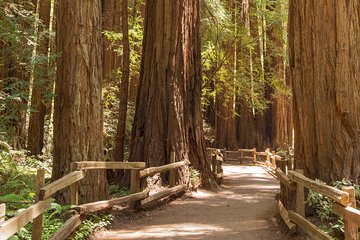
Leave No Trace (LNT) is a set of seven outdoor ethics guidelines developed to minimize human impact on natural spaces. The basics: Stay on designated trails, pack out all trash (yep, including that banana peel—fruit can take years to decompose), never pick wildflowers or pocket rocks, and keep your noise levels low.
Furthermore, campfires should only be made in established fire rings, and only when and where fires are permitted. Even sunscreen and bug spray can leave a mark, thanks to chemicals washing off your body and into local streams and rivers. LNT isn't about restriction, though—it's about making sure the park looks exactly the same for decades to come.
Related: 7 Top Tips for Protecting Our Public Lands, According to a Park Ranger
4. Reduce what you throw away while you’re there

Knowing how to reduce waste in national parks is the next step to a greener visit.
National parks generate an estimated 100 million pounds of waste every year—much of it avoidable. Start by refusing disposable items at concession stands and visitor centers: Bring your own cup, your own snacks and picnic meals in reusable containers, and your own shopping bag.
If you're camping, choose biodegradable soap and avoid single-serve food packets when bulk options are available. At trailheads, check for recycling stations, and use them. Lastly, nearly every visitor center has water-bottle refill stations and drinking fountains.
Did you know?: Almost all plastic ever created still exists, leeching into soil, water, and the air we breathe. Where you can, bring glass or metal containers and utensils.
5. Follow the rules for watching and photographing wildlife

Wildlife-friendly photography and viewing practices protect animals and their habitats.
That Yellowstone bison looks close enough to touch. It isn't. Wildlife-viewing guidelines exist for a reason—because humans cause genuine stress to animals, disrupting feeding, mating, and migration patterns in ways that can have cascading effects on entire ecosystems. Not to mention that if you get too close, they can seriously harm you too. (They’re wild, remember.)
The general rule in most parks: Stay at least 25 yards (23 meters) from most wildlife, and 100 yards (91 meters) from bears and wolves. Never feed animals, even accidentally, or leave your food unattended, either.
Insider tip: A longer zoom lens is your best friend and the animal's, too. The most powerful wildlife images are the ones that show creatures living freely on their own terms.
6. Practice responsible trail etiquette every time

Responsible trail etiquette in parks protects both the landscape and your fellow visitors.
Trails are the arteries of a national park, and how you use them matters. Always yield to uphill hikers, step aside for horses and pack animals, and keep your group to the right so faster hikers can pass. And stay on the marked path even when it's muddy—cutting switchbacks, no matter how good of an idea it might seem, accelerates erosion and can take decades to undo.
If you're hiking with a dog (where permitted), keep them leashed, and pack out their waste. Keep music to headphones only, and resist the temptation to carve your initials on trees or stack cairns, which can mislead other hikers, as well as irrevocably damage the park itself. The wilderness is everyone's to share—and everyone's responsibility to protect.
Related: 8 of the Best Dog-Friendly National Parks in the US
7. Choose eco-friendly lodging close to the park

Eco-friendly hiking and camping practices extend naturally to where you rest your head.
Camping inside the park is the gold standard for sustainable lodging: Your footprint is small, your commute is zero, and your connection to the landscape is immersive and immediate. If you camp, bring your own gear or rent secondhand supplies, pack reusable products, and leave your site cleaner than you found it.
Not a camper? Look for lodges and hotels with genuine sustainability certifications—LEED or B Corp designations are good starting points. Whatever you choose, prioritize proximity to the park to minimize driving. Once you’re settled, go even further by reusing your towels, skipping daily housekeeping, and turning off all lights (and the A/C) when you leave your room.
8. Spend your money in ways that give back

Knowing how to support local communities near parks turns tourism into a force for good.
Tourism dollars have enormous power to support the communities that surround national parks. Choose locally owned restaurants, outfitters, and guides over national chains whenever possible. Buy crafts and souvenirs directly from Indigenous and local artisans, and ask questions about the product’s origins before you purchase.
Finally, consider donating to your park's official foundation, which often funds conservation projects, trail maintenance, and educational programs that federal budgets just don't cover.
Did you know?: Some parks partner with volunteer programs that allow you to contribute a moment of trail work in exchange for a richer, behind-the-scenes experience. Sustainable travel isn't just about what you take away—it's about what you contribute, too.
9. Do your carbon math before you go

Carbon-conscious national park travel planning helps offset the footprint of getting there.
Even the most sustainable traveler usually has to cover some ground to reach a national park. The key is to be honest about your impact, and if you can, take steps to offset it. Carbon calculators can help you estimate the emissions from your drive or flight, and most will help you purchase verified offsets, too.
Beyond offsetting, look for ways to extend your trip: A longer stay in one park creates a lower per-day carbon footprint than a quick weekend dash, though it’s not a viable option for everyone. However, staying longer does produce richer, more memorable experiences—that’s a win-win for everyone.
Book more things to do in USA




Keep planning your USA trip