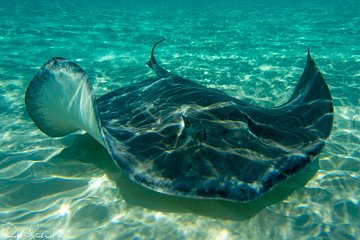
Southern stingray glides along the sea bottom at Stingray City, Grand Cayman

Things to do in  Cayman Islands

Chill with the stingrays

This trio of Caribbean islands—Grand Cayman, Cayman Brac, and Little Cayman—fringed by coral reefs, it’s not surprising that some of the best things to do in the Cayman Islands include sailing, snorkeling, and scuba diving—whether at Stingray City or one of the other 365 named dive sites. There are plenty of non-water activities as well, from soaking up the sun on Grand Cayman’s scenic Seven Mile Beach and Little Cayman’s pink-hued Point of Sand to rock climbing and caving on Cayman Brac and less active pursuits like duty-free shopping and fine dining.

Top 15 attractions in Cayman Islands

Top activities in Cayman Islands

All about Cayman Islands

Time Zone
EST (-5)
When to visit

With year-round warm weather, the Cayman Islands are especially popular between December and April, which is also the dry season. For smaller cruise ship crowds and lower prices, look to May and June—early May is also when the country’s biggest festival, Batabano, is held with music, costumes, and dancing. If you’re visiting to scuba dive, it’s best to avoid August and September, when water visibility in the Caribbean Sea is at its worst and you may not spot much marine life. Hurricane season runs from June to November.

Getting around

The islands are served by the Owen Roberts International Airport, and the best way to get around Grand Cayman is to rent a car—just remember that you'll drive on the left. Taxis are plentiful but expensive. Buses are also available but are most useful around George Town and Seven Mile Beach. You can travel between the islands by boat or plane, as each island has its own airport. Mopeds and bikes are a convenient way to get around the smaller Little Cayman and Cayman Brac islands.

Traveler tips

Seven Mile Beach may be the most popular Cayman Islands' beach, but it's not just for sunbathing. It also offers access to great scuba diving spots. South of the beach, Eden Rock and Devil’s Grotto offer short, shallow caverns and tunnels, suitable for beginner divers. Also nearby is the Kittiwake Shipwreck and Artificial Reef. Its shallow location and mostly open decks make it an ideal wreck dive for beginners. All sites can be snorkeled.

en
8dbbe099-53fd-4e85-bed0-3f28a4c9c313
attraction_list
People Also Ask
Q:What’s the best time to go to the Cayman Islands?
A:

The Cayman Islands enjoy warm weather year-round, with the most popular time to visit between December and April, during the dry season. May and June are the best times to visit for lower prices and smaller crowds, as the weather is warming up and the rainy season is just beginning. Visit during this period to experience a quieter side of the island.

Q:What do people do in the Cayman Islands?
A:

Spend time on beaches such as Rum Point and Seven Mile on Grand Cayman Island, with their pristine sand and crystal-clear waters. Popular water activities include boating, snorkeling, scuba diving, and swimming with stingrays. You can also explore caves, go rock climbing, go horseback riding, shop, and dine out.

Q:What should I know before visiting the Cayman Islands?
A:

The Cayman Islands is a British Overseas Territory made up of three islands: Grand Cayman, Brac, and Little Cayman—. It can be an expensive destination, with high hotel and dining prices. Many attractions are closed on Sundays. Hurricane season runs from June to November.

Q:Are the Cayman Islands safe?
A:

Yes. The Cayman Islands are considered very safe, which is part of their appeal as a tourist destination. While petty crimes like pickpocketing and scams do occur, you can avoid them by taking general precautions like being aware of your surroundings (and belongings) and avoiding walking alone at night.

Q:Are the Cayman Islands expensive?
A:

Yes, the Cayman Islands are very expensive for both residents and visitors—more so than most places in the Caribbean. Many products including food have to be imported with a high import tax levied, which affects prices. Many of the beaches are free to visit, but activities like scuba and snorkeling boat tours come with a hefty price tag.