
Know Before You Go: Going Snorkeling for the First Time


If you’re keen to try snorkeling for the first time, get ready for an adventure—it’s one of the easiest yet most rewarding ways to spot sea life beneath the surface of the ocean. You don’t need complicated gear or lessons, and you can be drifting above a bustling reef in no time.
Whether you're exploring a shallow cove in Hawaii or dipping into the aquamarine waters for a snorkeling tour in Cancun, snorkeling gives you the chance to see incredible marine life; it’s the perfect adventure for ocean lovers and families alike. If you're ready to get out on the water, here's our snorkeling guide for first timers, which is full of snorkeling for beginners tips.
How does snorkeling work?

To snorkel, you float face down while wearing a mask, and breathe through a mouthpiece.
Learning how to snorkel is simple: Float face down in the water while wearing a mask and breathe through a mouthpiece connected to a tube. The mask seals around your eyes and nose while the snorkel extends above the surface. You bite down gently on the mouthpiece and seal your lips around to breathe without water getting in your mouth.
One of the key first-time snorkeling tips is that if water gets into your snorkel, simply blow hard to clear the tube. You can add fins to help you move through the ocean with little effort, but these are optional.
Is snorkeling dangerous?

Snorkeling is a safe activity, especially when steps are taken to mitigate environmental risks.
Snorkeling is considered safe, but no adventure activity is completely risk-free. Minor things can go wrong—leaky masks, tired legs, surprise currents—but most are easy to prevent with some simple preparation.
Before setting out, check that your gear fits properly, isn’t gaping, and is watertight around your face. It’s best to research ahead to find out the areas that offer the best snorkeling conditions and sea life, too, and only enter calm waters. If you’re on a tour, listen closely to your guide because they know the local quirks.
What are the best places for first-time snorkeling?

There are many easy snorkeling destinations globally where the water is warm and calm.
The best snorkeling spots for beginners feature calm, shallow waters and an abundance of marine life to spot. Great beginner snorkeling sites include Dry Tortugas National Park and Florida Keys National Marine Sanctuary, both in Key West, Florida. Or, if you're hoping to snorkel without dedicating your whole trip to it, you can find snorkeling tours based out of popular destinations such as Miami.
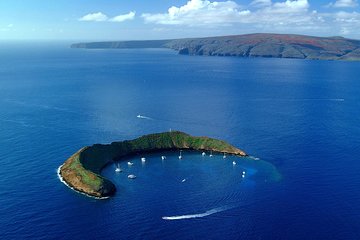
Otherwise, you can head farther afield to Hawaii's Turtle Canyons of Waikiki or Molokini Crater; in the Caribbean, there’s Stingray City in Grand Cayman, and Bonaire (known for walk-in snorkeling); Akumal in Mexico is also famously beginner-friendly.
Do I need to be a strong swimmer to go snorkeling?

You should be confident in the water to snorkel, but you don’t need to be Katie Ledecky.
To try snorkeling, you do need basic swimming skills for the sake of safety. You should feel confident in the water when floating on your stomach and be able to move freely while wearing a mask and breathing through the snorkel. Only wear fins if you’re comfortable doing so—they’re not essential. If possible, try out any new kit in a pool or calm, shallow water before heading out for an ocean adventure. And it’s best to take it slowly—snorkeling should feel relaxing, not like a cardio workout.
What tour options are available for first-time snorkelers?

Lots! But as it's your first time, it's best to go for a guided snorkeling tour.
Tours are a great option for first-time snorkelers, as they provide guidance on how to have the best experience in the water. Many tours specify that they are suitable for beginners, and guides will be happy to share tips and offer support. You’ll also have the benefit of a local guide, who can take you to the best spots to see marine life and may point out creatures and plants you could otherwise miss. If you’re not a confident swimmer, ask if the tour offers floatation aids such as vests. Some tours even offer snorkeling lessons for beginners.




What’s the best time of year to go snorkeling?

Aim to book your snorkeling tour during the region's dry season to maximize underwater visibility and calm seas.
The best time to snorkel is almost always during a destination’s dry season; clear skies and calm seas increase visibility underwater, and you’re likely to spot more sea life when conditions are good. Dry season dates vary by region, so it’s recommended that you research your specific destination before booking a trip if snorkeling is high on your agenda. Even year-round spots such as French Polynesia have sweet spots for snorkeling; from June through September, the weather is dry and the reefs are crystal clear.
What time of day is best for snorkeling?

The best time of day for snorkeling depends on your location and the current conditions.
To find the best time of day to snorkel, you have to consider local tides and conditions. Do a little research on snorkeling spots, as they’re likely to have their own set of recommendations based on the specific location. Generally speaking, mornings often have calm waters, clearer visibility, and fewer people in the water. Also, be mindful of the strong midday sun: remember much of your body will be out of the water and susceptible to sunburn in peak heat. Tides also have an effect, but again, this is dependent on the location.
What will I see underwater while snorkeling?

Expect fish and coral, but keep in mind that location dictates what you'll see when snorkeling.
When snorkeling, the sea life you’ll spot beneath the surface is not only unique to your location, but also to the season, time of day, and conditions. There’s never a guarantee for what you’ll see, although you can do research on the types of marine life common to the area and where certain species are most likely to be seen.
Tours can be beneficial, as many guides will be local experts who know exactly where to head out for the most abundant sightings and are likely to know all the hiding places for less obvious creatures beneath the surface.
Can I touch marine life while snorkeling?

No, you should never touch, chase, or interfere with marine life while snorkeling.
When snorkeling, rule number one is never to touch the sea life you encounter. While stroking a passing turtle’s shell might seem harmless, it’s not—even a gentle touch can cause lasting harm. In some cases, such as manatees in Florida, it’s illegal to touch them and doing so can result in fines. On top of that, many marine animals can defend themselves; a sting, bite, or allergic reaction will definitely put a damper on your snorkeling experience.
What should I bring as a snorkeling beginner?

A mask and snorkel are essential snorkeling gear, and fins or a life vest are optional.
The most essential piece of kit for first-time snorkelers is a well-fitting mask and snorkel—the mask should seal around your eyes, so it stays clear. Ideally, look for a snorkel with a purge valve or dry top to keep water out. Optional extras include fins, which can help you move more smoothly through the water, and a life vest for extra buoyancy.
A rash guard can offer vital sun protection, and reef-safe sunscreen is a must, especially if you’re snorkeling midday. An underwater camera is an optional but fun addition—you may get some great snaps below the surface.
Should I rent or buy beginner snorkeling gear for the first time?

Renting gear can be beneficial for first-time snorkelers as it’s cheaper and saves space in your suitcase.
Renting snorkeling kit can be a great option for beginners: it saves space in your luggage, is often more economical than buying new, and offers the chance to try before committing to purchasing your own gear.
If you think you’ll snorkel multiple times, though, it can be worth buying a mask and snorkel, which gives you the freedom to head out whenever you’d like. A well-fitting mask and snorkel are essential for a great experience, and purchasing your own can ensure you have a set best suited to your needs. Renting fins may be wise if you have limited suitcase space.
How can I tell if my snorkel gear fits properly the first time I use it?

A snorkeling mask should feel snug, and you should have no discomfort with the snorkel in your mouth.
To check if a snorkel mask fits, gently press it to your face (without using the strap), and inhale through your nose: If the mask adheres to your skin, that’s a good seal. The skirt—the soft silicone edge—should sit flush to your face without gaps; it’s too tight if it leaves deep pressure marks or pinches. You should have a clear, wide field of vision once the mask is on. For fins, look for a snug, comfortable fit: too loose, and they can fall off, too tight, and you’ll get blisters.
Is snorkeling accessible if I have limited mobility?

Yes, snorkeling can be accessible for travelers with limited mobility.
Snorkeling can be an accessible activity for travelers with limited mobility, but this is dependent on an individual’s needs and the location they're visiting. Many tours now offer excursions with trained guides, adaptive equipment, and entry to the water via accessible locations.
Some tour operators even offer wheelchair-accessible snorkeling trips, with water wheelchairs that can be used in shallow water. If you’re seeking an accessible snorkeling experience, it’s best to contact the provider to discuss specific needs and ensure they can accommodate them.
What are the top first-time snorkeling safety tips?

Safety tips for first-time snorkelers include swimming with a buddy, using the right kit, and staying relaxed.
If you’re snorkeling for the first time, it’s always best to head out with a buddy and stay with them. Check your kit before entering the ocean: make sure your mask is secure and doesn’t leak, practice clearing water from your snorkel tube, and wear a flotation device if you’re not a confident swimmer. Scan your surroundings, and be aware of any areas to avoid or stay within.
Once you’re in the water, think slow and calm movements—you should be drifting rather than kicking wildly, with your snorkel up above the surface. And don’t touch any marine life, no matter how tempting it is.
Frequently asked questions

Everything you need to know about snorkeling for the first time.
How do you breathe underwater with a snorkel? To breathe when you snorkel, bite gently on the mouthpiece, seal your lips, and take slow and steady breaths. Keep the snorkel top above water as you lower your face in. If water gets in, just blow it out with a sharp exhale.
Is snorkeling difficult for beginners? Not at all, snorkeling is beginner-friendly, and most people get the hang of it quickly. Consider practicing first in a pool or shallow water to get used to the gear.
Do I really need flippers for snorkeling? Technically, no, but fins can make a difference for some—they can help you swim farther with less effort, especially in light currents. Only wear flippers if you feel comfortable swimming in them.
Is it OK to snorkel alone? It’s best not to snorkel alone, especially if you’re a beginner. A buddy means backup if you get tired, cramp up, or experience any gear issues.
How do I stay afloat while snorkeling? Saltwater does most of the work at keeping you buoyant when snorkeling. Just relax, let your hips rise, and float face down. For extra support, a snorkel vest can help.
More ways to explore Hawaii


Keep reading


