
Know Before You Go: Attending a Hawaiian Luau


Attending a luau is a quintessential part of experiencing Hawaii, especially if it’s your first time on the islands. Besides entertaining audiences with beautiful music and hula dancers, luaus teach people important stories about the islands and, naturally, showcase long-standing traditions. Here’s everything you need to know about luaus in Hawaii before you head out to enjoy this ancient Hawaiian cultural tradition.
What is a Hawaiian luau?

There’s a long history of luaus in Hawaii.
Historically, Hawaiians have held celebratory gatherings since ancient times, which featured ono (delicious) food, dancing, chanting, and more. Today, a luau is a traditional Hawaiian feast that includes a variety of cultural performances, music, dance, and a buffet-style meal, one that serves as a celebration of Hawaiian culture and hospitality.
“I grew up in a home knowing that when the imu (underground oven) was being prepared, it was time for a celebration,” said Kalei Uwekoolani, Cultural Programming Manager and Leadership Educator for the Grand Wailea, a Waldorf Astoria Resort on Maui. “My grandmother used to refer to what we see today as a luau as ahaaina, a gathering meal. Culturally, this was a more formal event focused on the traditions and ceremonies being performed.”
However, pre-1819, an ancient ruling code called the kapu system set restrictions for certain parts of society. This system affected these types of gatherings.
“In certain cases, commoners were forbidden to consume certain foods at these types of feasts,” said Uwekoolani. “A pū (conch shell) was blown to announce the beginning of the ceremony or act as an accompaniment to oli, a traditional Hawaiian chant. Royals, dignitaries, and guests would traditionally sit on the floor on mats made of various leaves from different trees and eat with their hands. Attendees had a dress code that was very different than that seen in luaus today.”
Once King Kamehameha II ended the kapu system, celebrations became open to all, slowly forming the luaus we know and love today.
As tourism to the islands grew, ahaaina became known by the name of a commonly served Hawaiian dish: luau. This dish, a stew made up of chicken or squid baked until tender in coconut milk and taro root, began to represent the gatherings. These days, the luau celebrations are more focused on entertainment but still offer a chance to experience Hawaiian culture.
What can I expect at a luau?

Hawaiian luau experiences range from modern luaus to ones rooted in ancient Hawaiian traditions.
Luaus are traditional Hawaiian feasts that showcase the culture, cuisine, and entertainment of the islands. When you attend a luau on your trip to Hawaii, get ready for an evening of entertainment and education. Here’s what to expect, although it may vary by luau:
Arrival: When you arrive, you’ll be greeted by a lei made of shells, kukui nuts, or flowers. If you are pregnant, choose an open-ended lei rather than a circular one, as the latter are considered unlucky by Hawaiians.
Cultural activities: Stations featuring Hawaiian crafts or game demonstrations may be set up, such as lei-making or lauhala weaving.
Food preparation: There’ll likely be an imu (underground oven) ceremony, for cooking a whole pig.
Layout: Most luaus have community seating so you can get to know your fellow guests; however, some offer private tables.
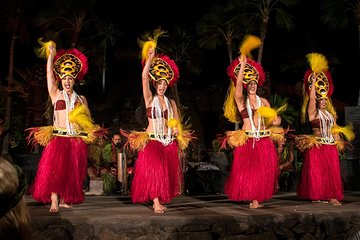
Music and dance: Musical entertainment tells the stories of how Polynesians reached the Hawaiian islands and the legends of the gods and goddesses. Dancers will take the stage to showcase these stories.
Participation: At some point, guests may have the opportunity to stand up and learn some hula moves, which represent storytelling.
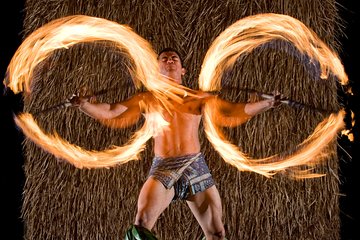
Pyrotechnics: Besides song and dance, there will likely be a Polynesian fire dancer.
What's the traditional Hawaiian luau food?

Expect Hawaiian luau food to include slow-cooked pork and poke.
While the menu isn’t the same at every luau, there are some common staples that you’ll likely come across. Come hungry!
Kalua pork: Kalua pork is a traditional Hawaiian dish where a whole pig is seasoned, wrapped in ti leaves, and slow-cooked in an underground oven called an imu. The result is tender, shredded pork with a smoky flavor.
Poke: A popular Hawaiian appetizer made with raw fish, often tuna, cut into bite-sized cubes. It is typically seasoned with soy sauce, sesame oil, seaweed, and other ingredients for added flavor.
Poi: Poi is a traditional Hawaiian staple made by mashing cooked taro root. It can have varying consistencies, from thick to thin, and may be served at different stages of fermentation.
Lomi lomi salmon: A cold dish featuring chopped salmon, tomatoes, onions, and occasionally other ingredients.
Squid luau: A squid stew made with taro leaves and coconut milk.
Haupia: Haupia is a coconut milk-based dessert custard. It is made by combining coconut milk, sugar, and sometimes cornstarch to achieve a pudding-like consistency.
As far as drinks, most luaus offer wine, beer, and other spirits, as well as popular tropical cocktails such as mai tais and piña coladas.
What activities and performances are typically included in a luau?

Be sure to choose a luau that accurately represents Hawaiian culture.
When booking your luau, Uwekoolani suggests doing your research. Find out what the ticket includes. Does it have an open bar or buffet-style food? “When booking a lūʻau, my suggestion to keep in mind is what amenities come with the show, such as pre-dinner entertainment or demonstrations, on-stage participation, and dinner entertainment—as well as location,” she said.
But most importantly, make sure that the luau authentically represents Hawaiian culture. When you’re attending a luau, you’re investing money in a company that promotes Hawaiian culture, so you want to make sure it treats its employees well and aims to educate guests on Hawaiian history and culture.
“In my opinion, a good luau tells a story, from the entertainment to the food down to the garments the dancers wear,” said Uwekoolani. “The food is traditional Hawaiian food, and the night is complemented by live Hawaiian musicians. The pre-festivities are engaging, complement the show, and are culturally appropriate to the luau.”
What ticket options are available for Hawaiian luaus?

Travelers can choose from multiple levels of luau experience.
Luaus typically offer a variety of ticket options so you can choose a luau package that suits your budget and interests. Ticket options typically range from standard luau admission, which includes seating, a buffet dinner, and welcome Mai Tai, to deluxe options, which may include round-trip hotel transportation, a floral lei greeting, and premium seating. Some deluxe options also include a souvenir photo and gift. Many travelers opt for packages with included transportation so that they can relax and enjoy the evening without the worry of designating a driver.





Is attending a Hawaiian luau accessible for travelers with disabilities?

Yes, most Hawaiian luaus can accommodate travelers with disabilities.
Across the Hawaiian Islands, travelers with disabilities generally have no trouble attending a luau. These events (including transportation services) are typically wheelchair accessible, although some hosts require advance notice of at least 72 hours in order to ensure that they can be as accommodating as possible. Some luaus take place on properties with uneven, sandy, or rocky surfaces, so travelers should be aware that pushing a wheelchair or scooter may be challenging.
Frequently asked questions

Everything you need to know about attending a Hawaiian luau.
How long does a luau typically last? Luaus typically last for a few hours, including cultural performances, dinner, and other entertainment.
Are luaus family-friendly? Yes, luaus are generally family-friendly and suitable for all ages. Many luaus offer entertainment that appeals to both adults and children.
Do I need to make reservations for a luau? It’s recommended to make reservations in advance, especially for popular luaus. Some events may sell out, so booking ahead ensures you secure a spot.
What should I wear to a luau? As with most events in Hawaii, casual attire is acceptable. Most luaus take place outdoors, so wear comfortable and weather-appropriate clothing and shoes. Hawaiian shirts are also welcome. Although most Hawaiian evenings are warm and balmy, you might want to take along a light jacket or sweater during the winter months.
Are luaus expensive to attend? The ticket for a luau in Hawaii can vary widely from moderately priced to more expensive options. The cost depends on factors such as the location, the level of luxury or exclusivity, and the offerings included in the experience.
Book more things to do in Hawaii



Keep planning your Hawaii trip


