
Mt. St. Helens Tours and Tickets
9 results
Sort by: Featured


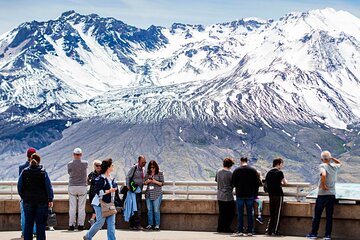


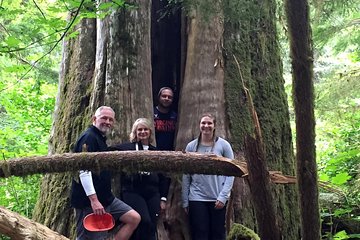


What are people saying about Mt. St. Helens
Kerry_G, Jul 2026
Great experience to visit Mt St Helens
This was a great day tour and a unique experience! I was very happy to finally get the opportunity to visit the legendary Mt St Helens!
Christina_C, Aug 2026
I had a truly amazing and...
I had a truly amazing and eventful day!!! My tour guide was awesome and informative. Mt. Saint Helens was so beautiful and I experienced a peaceful feeling.
Linda_G, Jun 2026
Evergreen Escapes Rocks!
Evergreen Escapes had a great itinerary to Mt St Helens, keeping the pace of the day smooth and sharing so much information! Chris Bright was an outstanding guide! The company had snacks, water, brewed coffee and a lovely lunch to keep up our energy level! I cant say enough praise for our time with Chris and the fun we had. I would definitely book a tour again to any of their destinations!
Susan_K, Sep 2026
Great Service Made All the Difference
Our excursion to Mount St. Helens started off a little rough when we found out that one of the main areas we had been looking forward to visiting was closed. We were understandably disappointed, but our driver completely turned the experience around once we arrived at Mount St. Helens.
He was incredibly accommodating, friendly, knowledgeable, and attentive throughout the day. He did everything he could to make our experience enjoyable and memorable, and we truly appreciated his flexibility and positive attitude. Despite the unexpected closure, we ended up having a wonderful experience, largely because of the effort and care our driver put into making the day special.
We are very grateful for everything he did for us and would definitely recommend this excursion, especially with a driver who goes above and beyond for his guests.
Mt. St. Helens

Visiting Mt. St. Helens will enthrall a range of travelers, including families with young children, serious hikers, photographers, and geology buffs.
Mt. St. Helens tickets are not required, and admission to the monument is free. However, you'll need to obtain a Mt. St. Helens climbing permit if you want to climb Mt. St. Helens.
Wear layered clothing, as alpine weather can change quickly. The Pacific Northwest is often rainy, so a raincoat is advisable.
Mt. St. Helens' visitor centers are easily accessible by car. Visitor centers have restrooms, helpful staff, and gift shops.
People Also Ask
What’s the best way to experience Mt. St. Helens?
How much does it cost to visit Mt. St. Helens in 2026?
Is Mt. St. Helens worth visiting?
Do you need a reservation for Mt. St. Helens?
How many days do you need at Mt. St. Helens?
What should I wear to Mt. St. Helens?
Can you drive around Mt. St. Helens?
What is the most popular way to tour Mt. St. Helens?
Is there parking at Mt. St. Helens?
What are the best attractions in Seattle other than Mt. St. Helens?
More Tours in Seattle
Things to do near Seattle
More attractions near Seattle