
Surf Instructor Bruno Matos’ Guide to the Azores


A life-long lover of the water, Bruno Matos is a surf instructor and spear fisherman from Lisbon. His wife grew up on the Azorean island of Faial, so he’s been coming to the Azores regularly for over a decade to surf, spearfish, and take part in meditation retreats. He continues to be struck by the “incredible natural landscapes and generosity of the locals, who are so humble and welcoming, and exhibit pure generosity,” and believes the archipelago is the ideal place to “retreat from the world, as the beautiful set up of the mountains, ocean, and the lagoon forces you to slow down and immerse yourself in nature.” Here’s his guide to this Portuguese island paradise.

Where to stay in the Azores
Almost 1,000 miles (1,500 kilometers) from the western coast of Portugal in the Atlantic Ocean, the remote Azores comprises nine islands, with the largest, São Miguel, home to the capital city of Ponta Delgada. A short 30-minute flight from here are five other islands known as the Central Group: São Jorge, Faial, Graciosa, Terceira, and Pico. Each island is studded with fajas, which Bruno describes as “coastal villages carved out millions of years ago by lava flows.”
Bruno advises staying on Faial if you want to hop between islands—ferries run regularly and the journey can bring beautiful moments: “Once, I was traveling between Faial and Pico by boat, and we saw humpback whales surrounded by a pod of more than 200 dolphins. It was summertime and the animals were attracted to waters warmed by the July and August sunshine.”
The other two islands, Flores and Cuevo, are very remote and have a collective population of only a few hundred. It takes around eight hours to reach them by boat.

Things to see and do in the Azores
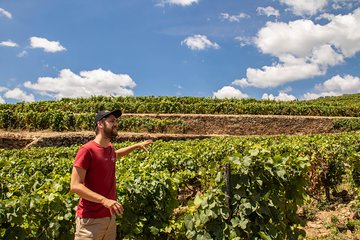
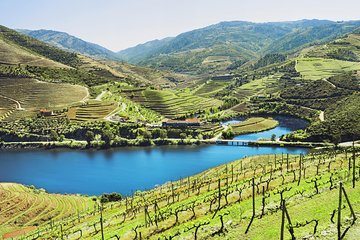
Home to the highest mountain in Portugal, the island of Pico is popular with climbers looking to summit the 7,500-foot (2,300-meter) stratovolcano on a guided hike. Bruno recommends “getting to the top for the sunrise, so wake up early to start your hike four hours before.” At twice the size of any other mountain in the Azores, you’ll enjoy spectacular views across the archipelago and Atlantic Ocean. Pico is also home to some UNESCO World Heritage–listed vineyards, perfect for exploring on a wine-tasting tour—“it’s the only place in the world they have this type of vine. The soil is enriched with the minerals from the volcano and the wine is considered some of the best in Europe.”
Another of the archipelago’s most famous sights are the twin lakes of Sete Cidades, located on São Miguel, which are renowned for their iridescent blue-and-green color. The best way to discover them is by hiking or on an ATV or Jeep tour of the area.
Considered a marine life magnet, the Azores is also an incredible place for snorkeling or scuba diving trips—Bruno explains that “because the Azores are volcanic islands and aren’t surrounded by sand, visibility beneath the water is incredible,” so you’ll have a great chance of spotting blue sharks, mobula rays, swordfish, and many more species.

Where to surf in the Azores
And of course, there’s nobody better than Bruno to ask about the archipelago’s best surf spots. His top pick is “Caldeira de Santo Cristo on São Jorge, where we host our annual surf and meditation retreat. Not only are the waves perfect for all levels, but the scenery surrounding them is spectacular, like Jurassic Park.”
Other sweet spots include Quatro Ribeiras and Vila Nova on the island of Terceira—“being the northernmost of the central five islands, it enjoys a consistent swell from the Atlantic”—as well as Praia de Santa Barbara, close to the hike-worthy Ribeira Grande on São Miguel. For Bruno, the Azores is an amazing place to surf because “you get a heightened connection with nature, and surfing is all about being in tune with the ocean.”

What and where to eat in the Azores
Entirely surrounded by unspoiled sea, the Azores is renowned for its seafood and there are plenty of tours offering a taste of local delicacies. Bruno’s favorites include lapas grelhadas (grilled limpets) and a cured cheese native to São Jorge, which he says “leaves a spicy sensation on your tongue.” He also recommends feasting on grilled sea bream and trout and getting a taste of real Azorean beef, as the “cows graze on natural pastures that make the meat so tender and flavorsome.”
Another must-try is the Azores version of cozido à Portuguesa, a traditional stew that is cooked “in clay pots buried beneath the earth in Furnas, a site famous for its geothermal activity.” Look out for packages that combine thermal bathing with the dinner delicacy for the full Furnas experience or sample another São Miguel speciality on a guided tour around one of Europe’s last tea plantations, the Gorreana Tea Factory, where you can refresh with organic green or black tea and sample the sugar-sweet pineapples also grown there.
Related: 15 Traditional Portuguese Foods and Drinks To Try on Your Next Trip

What and where to drink in the Azores
Though the Azores is more renowned for its nature than its nightlife, Faial boasts an unexpected after-dark drinking hot spot: Peter’s Cafe Sport in Horta, the self-professed most famous bar in the Azores. As Bruno explains, “it’s served as a meeting place for sailors crossing the Atlantic for more than a century and that the walls are covered with maritime messages, plus unique souvenirs such as shark teeth and whale bones.” Cheers!
Book more things to do in Azores





Keep planning your Azores trip


