Things to do in Osaka

Things to do in  Osaka

Fast trains, slow cooking

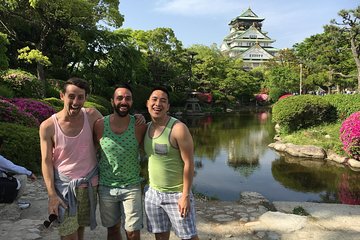
Japan’s third-largest city, Osaka, is known as a grittier, sassier, and somewhat more manageable alternative to Tokyo (it’s about a quarter of its size!). It’s also rightly proud of its distinct food scene, and many things to do in Osaka revolve around eating, drinking, cooking, or shopping for food. Although the city was largely destroyed in World War II, the reconstructed Osaka Castle (Osaka-jo) remains a must-visit city landmark, and various unusual modern buildings provide interest to the skyline–and places to take in the views.

Top 15 attractions in Osaka

Top activities in Osaka

All about Osaka

Local Currency
Japanese Yen (¥)
When to visit

April and May are excellent months for visiting. Temperatures are warm, there’s little rainfall, and in early April you can see the cherry blossoms. Spring is, however, also the busiest season, so be prepared for crowds. Summer is uncomfortably hot and humid, but it is also festival season. The dazzling Tenjin Matsuri—which starts in late July and is one of Japan’s most famous festivals—includes everything from floats and food to fireworks and bonfires on boats.

Getting around

The city has an excellent public transportation system, centered around Osaka station and other central Osaka train stations such as Namba Station. Trains and subways are typically more useful for visitors than buses; a prepaid IC card (a rechargeable card) is the best way to pay your fare. If you’ll be traveling a lot on a given day, consider a 1-Day Pass that allows unlimited rides on subways and buses. You can also choose the Osaka Amazing Pass, which includes unlimited bus and train rides along with entry to more than 40 things to do in Osaka.

Traveler tips

The most famous local specialty is takoyaki (octopus in fried dough), and it’s available everywhere from street stalls to restaurants. Once you’ve tried takoyaki from a few different spots on a food tour, head over to Takohachi, a restaurant in Tennoji, to try some akashiyaki. This specialty, which originated in Hyōgo Prefecture, is a lighter version of this favorite. It is made with an egg-rich batter and is dipped in a light dashi broth instead of slathered in mayonnaise.

en
2a1083a0-8207-452d-a3c9-e5198f4ac7de
attraction_list
People Also Ask
Q:What is Osaka best known for?
A:

This buzzy city is known for its friendly, down-to-earth residents, lively nightlife, and outstanding street food. The takoyaki (balls of octopus in fried dough) and okonomiyaki (savory pancakes) served by street vendors are some of the best in Japan. The Dotonbori Canal and Osaka Castle are two of the best-known local attractions, along with Universal Studios Japan, the Osaka Aquarium (Kaiyukan), the Tempozan Ferris wheel in Tempozan Harbor Village, and Abeno Harukas (Osaka Harukas)—Japan’s highest skyscraper.

Q:What is there to do in Osaka?
A:

Eat your way around the city’s street food stalls, make new friends at the neon-fronted bars around glittering Dotonbori, go shopping in the retro-futuristic America-Mura (American Village), explore ancient temples and the 16th-century Osaka Castle, and get sweeping views of the rooftops from the towering Umeda Sky Building.

Q:How many days should you spend in Osaka?
A:

While you could easily spend a week or two without getting bored, three days should be enough time to visit Osaka. See all of the main attractions, get a feel for the city, enjoy the restaurant scene and nightlife, and even take a day trip from Osaka to the Himeji Castle (Himeji-Jo) or Nara in the outlying Kansai Region.

Q:What is cool about Osaka?
A:

The city’s greatest asset is its people. Osakans are typically more casual and blunt than people elsewhere in Japan. They also are known for their sense of humor and distinctive accent (Osaka-ben). So take a seat at a bar and get chatting with some locals: it may be the highlight of your trip.

Q:What do locals do for fun in Osaka?
A:

Osakans are famous for their sense of humor, so it’s no wonder that the city is home to a number of comedy clubs. Japanese speakers can enjoy traditional rakugo (one-man storytelling) at the Rakugo Theater Tenma Tenjin Hanjo Tei, while English speakers can head for the exclusively English ROR Comedy Club.

Q:Is Osaka dangerous?
A:

No. While the city does have a higher crime rate than most Japanese cities, it is a very safe destination to visit compared to American or European cities of its size. However, visitors should keep their wits about them in and around Tobita Shinchi (the red light district), and preferably not drink alone in the area’s bars.