Things to do in India

Things to do in  India

Spice up your life

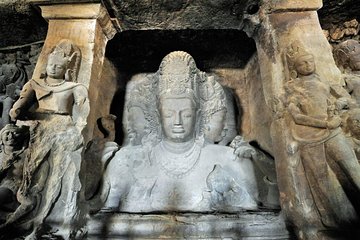
From the towering mountains of the Himalayas to the lush tropical backwaters of Kerala, India is nothing if not diverse. Here you’ll find ancient rock-hewn cave temples, massive Mughal fortresses, and shimmering palaces alongside lively, modern cities where tradition and 21st-century innovation coexist harmoniously. There’s a lot to take in, and with so many things to do in India, don’t be disappointed if you aren’t able to fit it all into one trip. After all, you’ll probably want an excuse to come back.

Top 15 attractions in India

Top activities in India

All about India

Local Currency
Indian Rupee (₹)
When to visit

With its vast array of climates, India is a year-round destination, but not every region is ideal in every season. Popular to visit areas in North India are at their most comfortable from late September until March, when the weather is at its coolest and driest. And parts of Northern India can get chillingly cold in the winter, particularly in the Himalayan foothill states of Himachal Pradesh and Uttarakhand.

Getting around

India has one of the world’s largest train networks, and if you have the time, traveling by train is the best way to explore the country. Do note that the higher-elevation areas in India’s northernmost states are only accessible by taxi or car. If you prefer flying, there are plenty of budget carriers connecting India’s cities, and traveling by plane is generally quick and easy. Major cities have lots of local transportation options, from cycle rickshaws and auto-rickshaws (tuk-tuks) to taxis.

Traveler tips

You’ll find a variety of climates in India, from snowy mountains to dry deserts, tropical jungles, and seemingly everything in between. It’s always wise to pack a few warm layers, especially if you’re visiting the northern reaches of the country. On the same token, a few lightweight long-sleeve shirts are a good idea both for keeping you warm on cool evenings and for protecting you from the heat of the sun on hotter days.

en
1f1e7d89-fb47-427c-9666-ab1826cf2af1
attraction_list
People Also Ask
Q:What is India most known for?
A:

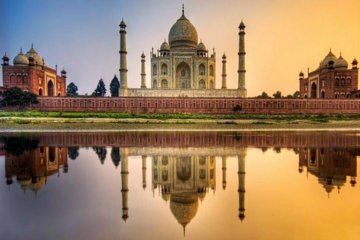
India is best known for its architectural and historic attractions, including the Taj Mahal, the country’s best-known sight. India is also well-known for its wide range of cultural sights, from the palaces and forts of Rajasthan to the ancient temples found across South India.

Q:How long do you need in India?
A:

While three weeks to a month is ideal for a trip to India, you’ll need at least 10 days to even scratch the surface. With such little time, you’re best off confining yourself to one region. The Golden Triangle, which encompasses Delhi, Jaipur, and Agra—home of the Taj Mahal—is the best option.

Q:What are three main tourist attractions in India?
A:

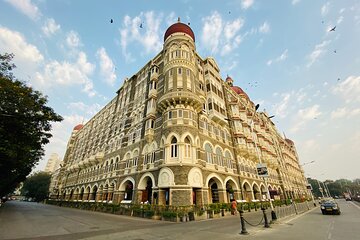
India’s three best-known tourist attractions are the Taj Mahal in Agra and the cities of Jaipur and Delhi, which are collectively known as the Golden Triangle. Other equally worthwhile tourist attractions include the Kerala backwaters in South India, the vibrant city of Mumbai, and the Portuguese-influenced coastal state of Goa.

Q:What should you not miss in India?
A:

Must-see attractions in India include the Taj Mahal, the colorful desert state of Rajasthan, and the cities of Mumbai and Delhi. If you’re a fan of yoga, head to Rishikesh, the yoga capital of the world. Beach lovers will want to make a beeline to Goa to soak up the sun.

Q:What food should you try in India?
A:

India has a huge variety of foods worth trying, from rich Mughlai cuisine dominated by meaty stews to lighter South Indian fare such as crepe-like dosas and steamed rice and lentil cakes known as idlis. Don’t miss the street food, but go with a local to help you identify the safest spots to eat.

Q:Is it safe in India?
A:

Yes, India is generally a safe country. Violent crime against tourists remains low, though scams and overcharging are common. The biggest safety risks relate to health, as food- and water-borne illness is common—it’s important to eat in hygienic spots and drink only bottled or filtered water.