Things to do in Oman

Things to do in  Oman

A window into old Arabia

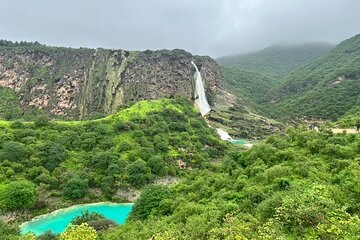
Boasting barren peaks, deep wadi gorges, desert dunes, remote villages, and a capital, Muscat, which exudes old Arabia, Oman rolls out a rich carpet of wares. Some of the best things to do in Oman center on Muscat, where sightseeing tours showcase grandiose modern landmarks like the Sultan Qaboos Mosque before unveiling Old Muscat's coastal forts and palaces and the old-time markets of Muttrah. From here, Oman’s interior beckons with idyllic, rock-pooled wadis, immense canyons, the Wahiba Sands desert, and the castles and towns of the Al-Hajar mountains.

Top 15 attractions in Oman

Top activities in Oman

All about Oman

Time Zone
GST (+4)
When to visit

Oman is at its best in winter, when summer’s heat has receded and the wadis (dried river gorges) are lush with palms and natural pools. The peak season, which runs from November through February, brings warm, rain-free days and temperatures that get up to around 85°F (30°C). That said, the period of April through May is when the rose gardens in Oman’s mountain villages bloom, and fall brings cooler, hiking-perfect weather. Watch for Ramadan, when alcohol sales and other activities are restricted.

Getting around

Oman’s public transportation is limited; most travelers opt for cabs or rent cars. While there are public buses linking some cities, it’s hard to find schedules. You can take shared minibuses around Muscat, but most tourists opt for private tours, hop-on hop-off buses, or the city’s white-and-orange taxis. The only realistic options for out-of-town adventures are to take a private tour or rent a car or four-wheel-drive vehicle; choose the latter if you’re confident enough to go off-road in Oman’s gorges and mountains.

Traveler tips

While most visitors to Oman stick to hotel restaurants, it’s worth your while to seek out a good local eatery. If you go shopping at the Mutrah Souq (which is tucked behind an archway on Mutrah Corniche), head to the Corniche Café, which has an open-arched terrace perched above the souk entrance. Order specialties like almond hummus and fresh guava juice, and let the gentle sea breezes offer a respite from the heat of the souk.

en
cb527e08-589c-4148-b5a0-3b6a4164af1b
attraction_list
People Also Ask
Q:What makes Oman a special place for tourists to visit?
A:

Oman stands out from many of its Arabian Peninsula neighbors for exuding historical Arabian mystique. While its capital of Muscat is modernizing, the blue-domed mosques, whitewashed houses, and romantic souks remain. They, alongside Oman’s jagged mountains, turquoise-pooled valleys (wadis), and deserts appeal to visitors seeking a slice of old Arabia.

Q:Is Oman safe to visit?
A:

Yes, Oman is considered safe for tourists as its crime rates are low. That said, there is a risk of terrorism—follow local security advice—and petty crime can occur, despite it being rare. As in any country, it’s wise to exercise caution if you’re walking or traveling alone after dark.

Q:What is Oman famous for?
A:

Oman is famous for its traditional Arabian ambience and ancient seafaring trade in frankincense and spices. It’s also known for the picturesque port capital of Muscat where low-rise buildings crouch between mountains and rocky bays. Other defining features include Oman’s interior of barren peaks, palm-filled gorges (wadis), and dune-filled deserts.

Q:Can you drink alcohol in Oman?
A:

Yes, Oman’s alcohol laws are relatively liberal for a Muslim country. Tourists aged 21 or over can drink alcohol at licensed bars and restaurants, most of which are inside hotels, although there are some independent eateries that serve drinks. Bear in mind that it’s illegal to be drunk in public.

Q:What is Oman popular for?
A:

Muscat’s souks, palaces, and mosques lure sightseers, while adventure-seekers love trekking and swimming in Oman’s pool-studded gorges, exploring its mountains, and dune-bashing in its Wahiba Sands desert. The country’s 17th-century castles, including the fort at former capital, Nizwa, are popular, as are its sandy beaches and snorkeling and dolphin-watching cruises.

Q:How many days are enough for Oman?
A:

With two weeks you’ll have time for Oman’s highlights, from Muscat to the mountains, desert, and southern city of Salalah, famous for its greenery. In 10 days, you’ll cover Muscat and take trips to mountains like Jebel Shams, discover Oman’s paradise-like valleys, and camp overnight in its Wahiba Sands desert.