Seema Malaka temple on Beira Lake, Sri Lanka

Things to do in  Sri Lanka

Beaches and safaris in one trip

Lapped by the Indian Ocean, Sri Lanka belies its teardrop shape by keeping all types of travelers happy. Measuring 268 by 139 miles (431 by 224 kilometers), its rich landscapes and history add dimensions absent in most sun-and-sand boltholes. Beyond its beaches, natural wonders, historical treasures, and vibrant cities beckon, from the capital of Colombo to Kandy, Galle, and up-and-coming Trincomalee. In between monsoons, visitors check off a long list of things to do, from elephant-spotting safaris to savoring spicy cuisine and exploring UNESCO-listed relics, tea plantations, and mountain trails.

Top 15 attractions in Sri Lanka

Top activities in Sri Lanka

Top Destinations

All about Sri Lanka

Time Zone
IST (+5)
When to visit

Visiting Sri Lanka means navigating its two monsoons. Aim for December–March to avoid the monsoon in the west and southwest; and March–September to circumvent the northern and eastern monsoon. These dry seasons bring blue skies and average year-round temperatures of 85°F (30°C)—albeit with the ever-present risk of rain—although the uplands are always cooler. If you’re visiting Kandy, consider going in late July and August, when the city’s Festival of the Tooth heralds colorful street processions.

Getting around

Sri Lanka’s public transport can be slow and unreliable, and the island’s challenging roads can make self-driving difficult, so most travelers choose the relatively inexpensive option of hiring a car and driver. That said, it’s worth considering using the public buses that run between the key cities—although journeys can be bumpy and time-consuming. The train ride between Colombo, Kandy, and hill country hot spots like Ella is also regarded as a must-do for the spectacular scenery on route.

Traveler tips

Going by rail from Colombo into Sri Lanka’s highlands is a fantastic way to see the island’s lush landscapes, tea plantations, and rural villages. If you’re on a schedule, it’s worth making ticket reservations in advance as leaving things to the day itself could mean missing out. Once you’re booked and at the station, ask the staff or other travelers where your assigned carriage will stop on the platform so you can avoid the crowded rush when your train pulls in.

en
e25c5bfb-4d96-409c-973f-b117c977ab9f
attraction_list
People Also Ask
Q:What is Sri Lanka best known for?
A:

Sri Lanka is famed for the palm-fringed beaches that embroider its coastline and draw sun-and-sand loving travelers. It’s also celebrated for its verdant highlands, UNESCO-listed wonders, flavorful cuisine, and atmospheric cities; from its capital, Colombo, to charming old Galle and Kandy, home to the sacred Buddhist Temple of the Tooth.

Q:What is there to do in Sri Lanka?
A:

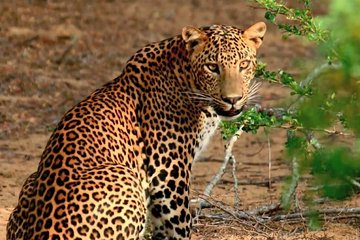
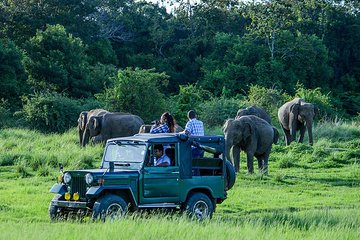
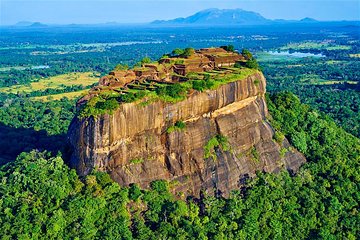
Plenty. Many tourists are content to simply laze on the beach, but history, culture, adventure, and nature buffs are also well-catered for. Activities include climbing the UNESCO-protected Sigiriya Rock, exploring Kandy’s Temple of the Tooth, roaming tea estates and ancient ruins, and viewing wild elephants, leopards, and birds on safaris.

Q:Is 7 days enough for Sri Lanka?
A:

Yes, a week lets you combine a few days on the beach with some day trips to Sri Lankan highlights like Sigiriya Rock, colonial-era Galle Fort, and Kandy. However, to experience more of the island’s rain forest-coated hill country, tea estates, and wildlife-filled national parks, plan on 10 days or two weeks.

Q:Is Sri Lanka cheap to visit?
A:

Yes, Sri Lanka is one of Asia’s most affordable destinations. Access to most beaches is free, entry to attractions like ancient ruins and national parks is cheap, and eating out and hiring a car and driver are reasonably priced. If you want a luxury vacation, however, upscale hotels and luxury experiences abound.

Q:Is Sri Lanka a safe destination?
A:

Generally, yes. Violent crime against travelers is rare, although it’s advisable to avoid street demonstrations, which can occur. Thefts and fraud have been reported in tourist resorts, so like anywhere, you should stay vigilant. There have been instances of drinks being spiked, so take care not to accept drinks from strangers.

Q:Do they speak English in Sri Lanka?
A:

Yes. While Sinhala and Tamil are Sri Lanka’s official languages, around a quarter of citizens are fluent in English, probably due to the island’s time as a British colony from 1815 to 1948. English is also widely used in business and tourism, so most staff members at hotels and restaurants speak it.