
Know Before You Go: Choosing an Ethical Animal Experience


Animals can help create some of Earth’s most spectacular travel experiences (and memories), whether it’s that magical sight of an elephant in the wilds of Tanzania or the bold leap of a breaching whale in Iceland.
But, while cuddling a baby panda or a lion cub may make a great selfie, it subjects the animal to stress and risks infecting them with disease. Plus, unscrupulous providers may buy animals that have been kidnapped from the wild. So, to ensure you're keeping the animals safe on your next adventure, learn how to choose ethical animal encounters and make sure you're supporting ethical providers.
What is an ethical animal experience?

Ethical animal experiences support the well-being of animals and their environment at every stage.
Responsible wildlife tourism means avoiding experiences that are cruel or coercive, that fuel the illegal wildlife trade, or that impact animals’ natural behavior and associated ecosystems. An ethical animal experience does not involve human contact, does not significantly interfere with an animal’s experience of its natural environment or harm that environment, and does not support the illegal wildlife trade. Unnatural behaviors are a major red flag: elephants don’t want to paint any more than bears want to dance. Chained animals or attendants with whips or pointed sticks are another strong indication that something is not right.
Essentially, the best ethical animal tours let you observe wild or rehabilitated animals in their natural environment, such as gorilla trekking in Rwanda, orangutan jungle trekking in Sarawak, and well-monitored safaris in Kenya. One simple rule of thumb: If you’re touching a wild animal, it’s not an ethical experience.
Related: How To Have an Ethical Elephant Experience in Thailand
What should I consider when planning an ethical animal experience?

Pay extra attention when you seek out experiences involving wild and endangered animals.
Animal welfare travel tips typically focus on wild animals, often endangered species. On land, think bears, sloths, apes, monkeys, pandas, lions, tigers, elephants, koalas, and kangaroos; in the water, pay extra mind when booking experiences with sharks, whales, turtles, dolphins, whale sharks, and manta rays. However, ethics are important even when it comes to domesticated animals: If the horse pulling your carriage or the donkey helping you up the cliff looks underfed and/or ill-treated, don’t do it.
Where can I enjoy ethical animal experiences?

You can find ethical experiences in habitats and sanctuaries in Oceania, Thailand, and more.
It should go without saying that swimming with captive dolphins is never ethical. So, Australia and New Zealand can be great destinations for sustainable encounters with marine mammals in the wild; Bali and Hurghada, on the other hand, are often problematic, as boat captains have been known to crowd the animals.
Thailand is a popular destination for elephant encounters; however, many camps—among them some that describe themselves as “sanctuaries” or “orphanages”—are unethical, offering riding, bathing, and trick performances. But there are also some animal sanctuaries to visit responsibly: Thailand’s Phuket Elephant Sanctuary limits interaction to feeding, while Cambodia’s Elephant Valley Project simply lets you watch elephants being elephants.
Other good destinations for ethical wildlife tours include Uganda and Rwanda, where you can observe gorillas; South Africa, Tanzania, Kenya, and Botswana for Big Five safaris; and Costa Rica for sloth-watching.
What should I expect at an ethical animal experience?

Ethical animal experiences will avoid changing animals’ natural environments or behaviors.
Let’s start with what you should not expect: Eco-friendly animal experiences won’t allow you to handle, touch, or interact with the animals, let alone ride them or bathe them, and they won’t involve distorting the animals’ natural behaviors by feeding them, chasing them, or crowding them.
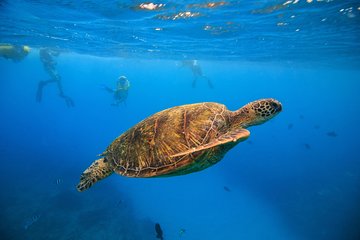
In Malapascua in the Philippines, for example, thresher shark experiences involve hovering above the reef behind a line to observe the sharks circling a station for cleaning. Sustainable sea turtle experiences might involve watching silently as turtles lay their eggs, watching professionals release hatchlings around sunset, or diving or snorkeling among sea turtles—without chasing or touching the animals.
What ethical animal experience tours and tickets are available?

There are many options available in destinations such as Indonesia, Romania, Canada, and beyond.
It’s key to research each encounter individually if you’re set on avoiding animal exploitation in tourism. China’s Sichuan province has tightened its rules on animal encounters, and giant panda volunteering programs at Duijangyan Panda Base are a sustainable choice. Both Malaysia and Indonesia offer sustainable orangutan encounters: the jungles around Bukit Lawang in Sumatra are home to rehabilitated and wild orangutans, while options in Borneo include Sabah’s Kinabatangan River and Camp Leakey.
Churchill, in Canada’s Manitoba province, is a great place for spotting polar bears; while Alaska is a world-class bear-watching destination; and Romania’s Carpathian Mountains offer reliable sightings of European brown bears.







What should I wear and bring to an ethical animal experience?

What you should wear on your ethical animal experience depends on when and where it’s located.
Sustainable animal tourism experiences come in a range of shapes and sizes, so there’s no one-size-fits-all rule. In the water, wear reef-safe sunscreen or (even better) sunproof clothing and no sunscreen at all.
On tropical forest treks, avoid bright colors and wear closed shoes or hiking boots with socks (to tuck in your pants against leeches). On safari, select neutral colors and a protective sun hat, plus bring binoculars if your package does not include them.
If wildlife photography is on your agenda, invest in a long lens; if underwater photography forms part of your plan, ensure the kit you buy is rated for the depth you’re headed to; and, if you’re hoping to do some night photography, seek out lenses with good low-light performance as flash generally causes wildlife distress.
Can disabled travelers enjoy ethical animal experiences?

Yes, some ethical animal experiences are accessible, but it depends on the experience you choose.
Yes, disabled travelers can enjoy some ethical animal experiences—although wilderness encounters usually involve terrain that can be challenging to navigate for anyone with restricted mobility.
Both scuba diving and snorkeling can be accessible to anyone with disabilities, but seek out a provider with specialist training and—depending on your specific needs—adequate equipment.
South Africa, in particular, has a range of wheelchair-accessible safaris; the luxurious Ximuwu Lodge, co-owned by Patrick Suverein, who uses a wheelchair, is a great choice.
More ways to explore Asia


Keep reading


