Things to do in Crete

Things to do in  Crete

An island of mythical proportions

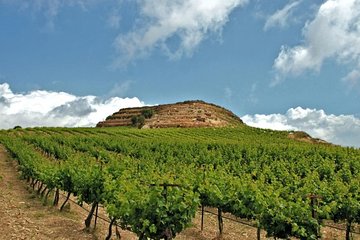
The largest of the Greek Islands, Crete could almost be its own country—especially with its fascinating history as the birthplace of Bronze-Age Minoan culture. Yet, although visiting the 4,000-year-old Palace of Knossos is one of the best things to do in Crete, the year-long sun, sea, and sand, great. Cretan cuisine, charming pastel-colored towns and villages, 17th-century Venetian and Ottoman architecture, rugged mountains, rolling vineyards, and beautiful beaches also make Crete a top holiday destination. Visit Samaria Gorge, the island’s National Park, for stunning views of the island’s diverse landscapes, from mountains to coastal cliffs.

Top 15 attractions in Crete

Top activities in Crete

All about Crete

Local Currency
Euro (€)
When to visit

Crete draws the most visitors between May and October, earning its stripes as one of Greece’s hottest islands, with temperatures that hover around 75°F (24°C). Visit in August if you want maximum heat and a party atmosphere. The high season also brings cultural events, including Chania’s Summer Festival and Rethymno’s Cretan Diet Festival. Crete is also great in spring and fall when the warm, pleasant weather creates ideal conditions for exploring the island’s historical treasures and flower-filled countryside.

Getting around

Cities like Chania, Heraklion, and Rethymnon are easy to explore on foot or in a cab; if you hail a cab, make sure to agree to a price before you take a ride. Every Cretan city also has local buses.

To get from town to town along the north coast, take KTEL buses, which are cheap and frequent. Rent a car to explore parts of the island, including Crete’s countryside, south coast, and hidden beaches. Just be prepared for busy urban traffic and narrow, unpaved rural roads. You’ll also want to explore Lake Kournas, the only freshwater lake on the island, located near the Libyan Sea. Olive trees line many parts of Crete, creating picturesque landscapes and a serene atmosphere.

Traveler tips

While tourists pack the Knossos ruins outside of Heraklion, most miss another of Crete’s archaeological sites: the remains at Aptera. Perched on a hillside overlooking Souda Bay, east of Chania, these ruins mark what was once a Greek and Roman city. For a small fee, you can explore several Roman cisterns, which offer a powerful sense of history, a crumbled amphitheater, a Roman villa, and other structures. Take sunscreen and a hat; there’s no shade at the site.

en
4e207427-93ca-495c-b6d4-6afe07c35b1a
attraction_list
People Also Ask
Q:What is Crete best known for?
A:

Crete is famous for offering some of mainland Greece's hottest summers, beautiful beaches, and history-steeped ruins. Its headline sights include Knossos, home to the UNESCO-listed, 4,500-year-old remnants of the ancient Minoan palace civilization. Don’t miss the charming Venetian-built harbor city of Chania, top-tier archaeological museums, Samaria Gorge, mountains, or rural wineries.

Q:How many days do you need to see Crete?
A:

Allow for at least a week, with any number of days on top, depending on your interests. Seven days is enough to visit Crete’s highlights, including Knossos and Chania, the island's White Mountains, villages, and wineries; and the Samaria Gorge. Go for longer to delve deeper or add some beach downtime.

Q:What is the best part of Crete to stay?
A:

For city sightseeing, consider Heraklion, the capital, for its Venetian-era walls, fortress, museums, and proximity to Knossos. For additional history, dining, and shopping, both Chania and Rethymnon boast boutique-filled lanes, medieval mansions, and a restaurant-hemmed harbourfront. For family fun, stay at Hersonissos, or for beaches and partying, Agios Nikolaos or Malia.

Q:Is there a lot to do in Crete?
A:

Yes. History enthusiasts have plenty of ancient and medieval gems to explore—think Knossos and Chania—while nature lovers can immerse themselves in the wild White Mountains, Lassithi Plateau, and Samaria Gorge, where the elusive Kri Kri can occasionally be spotted. Plus, all along Crete’s north coast are resorts offering beaches, watersports, and restaurant and nightlife scenes.

Q:Is Crete touristy?
A:

Yes. Resorts like Hersonnisos cater squarely for sun- and fun-loving tourists with stacks of amenities, restaurants, and nightlife. Yet Crete still has many uncommercialized havens. Find the quieter pockets of Chania and Rethymnon; explore the White Mountains or Lassithi Plateau; or escape to Crete’s remote, rugged south coast.

Q:Is English spoken in Crete?
A:

Yes, although the prevalence of English speakers depends on location. English is widely used in the hotels and restaurants of Crete’s resorts, unsurprisingly. And while English is less spoken in rural areas and the south, you’ll still find it's fairly well understood. It’s polite, however, to attempt some Greek wherever you are.