Famous Trevi Fountain at sunrise in Rome, Italy

Things to do in  Rome

It wasn’t built in a day

Eternally raucous, eternally rarified: eternally Rome. The Eternal City has withstood millennia to dazzle 21st-century visitors with ancient ruins, baroque squares, and more art than you could ever cover. Tours of the Colosseum, Roman Forum, and the Vatican City are the top-tier things to do in Rome. The city’s historic center—home to headliners like the Spanish Steps, Pantheon, and Trevi Fountain—also draws admirers from across the globe. Once you’ve checked off the heavy hitters, delve into the dining and nightlife in historic neighborhoods like Trastevere and the Jewish Ghetto.

Top 15 attractions in Rome

Top activities in Rome

All about Rome

Local Currency
Euro (€)
When to visit

From September to November and March to June are the ideal weather windows for visiting Rome. Summers are famously scorching and muggy, making it difficult to do any serious sightseeing. And don’t even think about coming in August, when many businesses and restaurants close so locals can take month-long vacations. Winters tend to be mild but can bring heavy rains, although the festive Christmas season still draws crowds from abroad.

Getting around

If you stick to the Historic Center of Rome (Centro Storico) and Rome’s main sights, you can get pretty much everywhere on foot. Buses in the capital are notoriously iffy, while the metro's three lines are reliable but limited. Fast and efficient regional trains stop at stations Ostiense, Tuscolana, and Tiburtina and also connect to the Vatican. Electric scooters and bikes can be found in tourist areas, while you’ll also see taxi stands located in well-trafficked areas.

Traveler tips

If you want a taste of real Roman cuisine, venture outside the city center. While you’ll find excellent options in Testaccio or close to the Pantheon—Armando al Pantheon is a standout—dedicated foodies will be rewarded for heading further afield. Reachable by Metro C or the lemon-yellow trenino, Centocelle is a down-to-earth, historically working-class neighborhood in Rome’s sprawling east known for its locally sourced "zero-kilometer" cuisine and buzzy aperitivo joints.

en
9f21384e-7b53-4460-88f6-85a016a1bd6a
attraction_list
People Also Ask
Q:What is Rome famous for?
A:

Italy’s capital is known as “The Eternal City,” thanks to its collection of ancient sites that have been standing since the peak of ancient Roman glory 2,000 years ago. The independent city-state of Vatican City is also set in Rome, famous for St. Peter’s Basilica and the Vatican Museums.

Q:What is the number one tourist attraction in Rome?
A:

The Colosseum has been the symbol of Rome since it was completed in 80 AD and continues to be the city’s most popular attraction. The largest ancient amphitheater in the world, it sees about 8,000 visitors a day—slightly more than the Vatican Museums across the Tiber River.

Q:What is something I should see in ancient Rome?
A:

The Colosseum tops most visitors’ lists of things to do in Rome, but the city is also home to a number of impressive ancient sites. The Roman Forum and Pantheon are two headliners in the city center, while the catacomb-lined Appian Way—an intact Roman highway—cuts through the countryside past ancient aqueducts and villa ruins. Palatine Hill is one of the most ancient parts of the city; it has been called "the first nucleus of the Roman Empire." The Column of Marcus Aurelius (Colonna di Marco Aurelio) is another striking ancient landmark, soaring more than 100 feet (30 meters) above Piazza Colonna.

Q:How can I spend 2 days in Rome?
A:

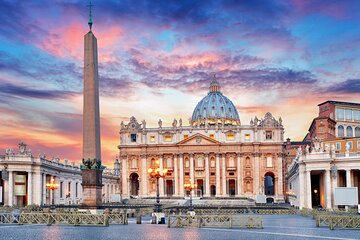
Divide your time between the two banks of the Tiber River. Dedicate one day to the Colosseum, Roman Forum, and historic center sights including the Trevi Fountain, Pantheon, and Spanish Steps. Then cross the river to spend your second day exploring St. Peter’s Basilica, the Vatican Museums, and the Trastevere neighborhood.

Q:What could you do for free in Rome?
A:

Many of the top things to do in Rome are free, including St. Peter’s Basilica, the Pantheon, and the Trevi Fountain. The Colosseum and Forum can both be admired from outside and strolling through the city’s top squares (Piazza Navona, Piazza di Spagna, and Campo de’ Fiori) doesn’t cost a penny.

Q:Is Rome dangerous?
A:

No, Rome does not have a problem with violent crime, though this major metropolis and premier tourist destination is rife in petty crime like theft and pickpocketing. Always keep your eye on your valuables and store your phone, wallet, and documents in zipped, inner compartments of your bags.

Q:Do you need a guide to visit Rome?
A:

The Eternal City has so many exceptional sights that most travelers don't know where to begin—and that’s where exploring with a local expert comes in. Get your guide to customize your itinerary according to what interests you most, so you can make the most of even a limited time in remarkable Rome.