
Know Before You Go: Planning a Trip To French Polynesia


Tahiti and Bora Bora are names that conjure up fantastical images of faraway tropical islands, beaches lined with palm trees, and overwater bungalows set atop turquoise water next to some of the world’s best clearwater beaches. And that’s not without reason—the islands are, quite simply, the stuff of dreams. So, whether you’re planning budget travel in Huahine or staying in the luxury resorts of Bora Bora, here are some tips to get you started on your vacation to French Polynesia.
Where is French Polynesia?

It’s located in the South Pacific Ocean, aka, nowhere near mainland France.
French Polynesia consists of 118 islands spread over 1,200 miles (1,931 kilometers) in the South Pacific Ocean. It’s divided into five distinct archipelagos—the Society Islands, Tuamotu Archipelago, Gambier Islands, Marquesas Islands, and Austral Islands—each with its own culture and dialect. The main island is Tahiti, where the capital city of Papeete is located.
How do I choose which French Polynesian island to visit?

It depends what you're looking for, but there’s an island for every type of traveler.
Decide what your priorities are before picking a French Polynesian destination. If you’re looking for luxurious beach resorts, check out Bora Bora, Tetiaroa, or Taha’a. If you’re into hiking, adventure, and off-the-beaten-path experiences, try the Marquesas or Austral archipelagos. If you’re on vacation to fish or scuba dive, the Tuamotu archipelago is for you, but if you’re traveling with children, the islands of Tahiti and Moorea will be your best bet.
Related: 10 Underrated French Polynesian Islands You Won’t Want To Miss
How do I get around French Polynesia?

Prepare to take boats, flights, and ferries to get you around.
All international flights to French Polynesia arrive at the international airport in Faa’a, Tahiti. From there, there are interconnecting domestic flights to 45 different islands in French Polynesia—the quickest way to explore the islands in French Polynesia is by plane—and Air Tahiti offers plane tickets that stop at multiple islands for a single price.
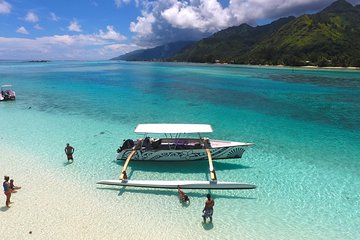
Alternatively, there are frequent ferry services connecting Tahiti with the islands in the Society group, such as Bora Bora and Raiatea. On the bigger islands (think: Tahiti and Raiatea), it’s worth renting a car or scooter to get around; on smaller islands, you can get by with a bike or on foot. Finally, an outrigger canoe or motorboat rental is available on most islands and makes for a great way to get out and about on the water.
When's the best time to visit French Polynesia?

Visit during the dry season to fully enjoy the white-sand beaches.
The climate in French Polynesia is tropical, meaning that it’s generally warm and humid all year round. However, it’s best to travel during the dry season between May and October. If you want to avoid crowds, know that June through August are peak months for tourism, as is the Christmas and New Year break. And, it’s good to know that November through April is French Polynesia’s rainy season—expect frequent downfalls.
What sort of French Polynesia tours and activities are available?

French Polynesia offers a variety of tours and activities for vacationers.
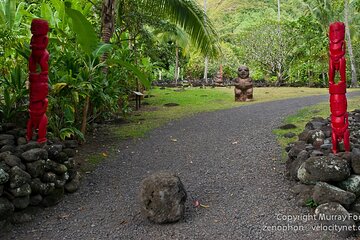
French Polynesia tours are a great way to experience the islands without having to plan every detail of your trip yourself. Options range from cruises and snorkeling excursions that help you get up close and personal with all sorts of aquatic species to 4WD adventures that take you beyond the beaches and lagoons and into the tropical jungles and scenic belvederes of popular islands, such as Moorea and Bora Bora.



What should I pack for French Polynesia?

You don’t need a lot but don't forget the essentials.
Plan to pack light for a trip to French Polynesia, because chances are you’ll be living in your swimsuit, pareo (sarong), and flip-flops most days. Don’t forget to bring sunscreen, sunglasses, and mosquito repellent. A waterproof bag will come in handy, given how much time you’ll likely spend on or near the turquoise water.
If you’re planning to do day trips that involve hiking, fishing, or surfing, bring the gear you need with you, as these specialty items are expensive on the islands. Lastly, a camera—waterproof if you have it—is essential to capture all those fleeting holiday memories.
What language do they speak in French Polynesia?

French and Tahitian, primarily.
French Polynesia is an overseas territory of France, and French is the official language. However, Tahitian is widely spoken, particularly in the outer islands. Not many people speak English outside of tourist establishments, so brushing up on some basic phrases in French or Tahitian is a good idea before you visit the islands.
What's some French Polynesian etiquette I should know about?

There are a few customs and quirks you should keep in mind.
French Polynesians are proud of their culture and their fenua (land) and are usually friendly and welcoming. If you’re greeting someone, two kisses (one on each cheek) is the norm, although this custom has become less frequent in recent years. If you’re visiting someone’s house, it’s polite to take your shoes off before entering.
Insider tip: You’ll see lots of locals—both men and women—wearing flowers behind their ears. If it’s behind their right ear, they’re single. If it’s behind their left ear, they’re taken.
Is French Polynesia an accessible destination for people with disabilities?
French Polynesia has plenty of accessible spaces, but travelers using wheelchairs may face challenges.
Wheelchair users and travelers with other mobility concerns will find French Polynesia a mixed bag. Many of the major resorts have plenty in place for people who use wheelchairs, with accessible rooms and common areas. Some of the activities in French Polynesia are less so, including water sports and outdoor adventure activities. Your best bet is to seek out accessible
Frequently asked questions

Everything you need to know about planning a trip to French Polynesia.
Is French Polynesia expensive to visit? French Polynesia is considered expensive to visit due to its remote location, limited accessibility, and focus on luxury tourism. Accommodations, dining, and activities can be costly. However, the stunning natural beauty and unique cultural experiences make it a sought-after destination despite the higher expenses.
Do I need a visa to visit French Polynesia? US citizens, visiting French Polynesia for fewer than 90 days, do not need a visa. Other nationalities may have varying visa requirements; it's advisable to check with the French consulate for specific regulations based on your citizenship before planning your trip.
What currency is used in French Polynesia? The official currency of French Polynesia is the French Pacific Franc (XPF), abbreviated as CFP Franc. It's pegged to the Euro and widely used across the islands for transactions. ATM accessibility may be limited depending on the island you choose, although credit cards (with a minimum purchase) are generally accepted everywhere.
What are some of the best things to do in French Polynesia? The best activities in French Polynesia include exploring coral reefs, water activities like snorkeling and diving, enjoying overwater bungalows, experiencing traditional Polynesian culture through dance and music, hiking in lush landscapes, and visiting famed destinations such as Bora Bora, Tahiti, and Moorea.
What are the most popular destinations in French Polynesia? The most popular destinations in French Polynesia include:
- Bora Bora: Known for its stunning lagoon and luxury overwater bungalows.
- Tahiti: The largest island, offering vibrant markets and cultural experiences.
- Moorea: A lush island with diverse landscapes and outdoor activities.
- Huahine: Rich in history and natural beauty, Huahine is considered one of the more budget-friendly islands in French Polynesia.
- Raiatea: Cultural and historical significance, with archaeological sites.
- Taha'a: Famous for its vanilla plantations and coral gardens.
- Marquesas Islands: Remote and untamed, with striking landscapes and culture.


Keep reading


