
Know Before You Go: Visiting Montmartre


High above central Paris, Montmartre offers a different perspective, both literally and culturally. This historic hilltop neighborhood is home to the famous Basilique du Sacré-Cœur, sweeping city views, and a creative spirit shaped by generations of artists and writers seeking to connect with its Bohemian past.
Once a village outside of Paris, Montmartre still feels distinct from the rest of the city. Today, visitors flock to the neighborhood for its cobbled streets lined with cafés, panoramic viewpoints, and a long-standing art scene. From timing your trip to navigating the hills and crowds, this Montmartre travel guide covers what to know before exploring one of the most memorable Paris neighborhoods to visit.
What should I expect when visiting Montmartre?

Steep streets, artistic energy, and a village feel define the Montmartre neighborhood.
You’ll get a different feel from Montmartre than from other neighborhoods in Paris. Expect cobblestone streets and steep elevation changes as the hill leads you toward the Basilique du Sacré-Coeur landmark. Around certain places, such as Place du Tertre, museums dedicated to Montmartre’s history sit alongside lively public spaces, with street artists, musicians, and bustling cafés creating a busy, energetic atmosphere.
At the same time, quieter residential streets sit just minutes away from the main areas. Exploring beyond the busiest areas reveals hidden gardens, historic windmills, and a slower rhythm that reflects Montmartre’s local history and culture.
What’s the best time to visit Montmartre?

Early mornings or late afternoons are the best time to visit Montmartre.
Timing matters when planning a day exploring Montmartre. Mornings are quieter, and if you’re exploring independently, there are fewer tour groups and more space to move around. Late afternoon into early evening is ideal for visiting the cafés in Montmartre and seeing sunset views, though popular areas tend to be busier overall.
Seasonally, spring (April–June) and fall (September–October) offer comfortable weather and fewer crowds than peak summer. Midday visits in summer tend to be the most crowded, especially around the basilica and Place du Tertre.
Insider tip: Visit Sacré-Coeur early in the morning, then walk down the hill rather than up. You’ll avoid crowds, get better light for photos, and be able to explore quieter streets as you descend.
How do I get to Montmartre?

Public transit makes getting there easy, and then exploring on foot is best.
Montmartre is easy to get to by public transportation. Métro stations serve the neighborhood, including Abbesses (Line 12) and Anvers (Line 2), both within walking distance of Sacré-Cœur and Montmartre’s main streets. Other nearby stations such as Pigalle (Lines 2 and 12) also provide access.
Once you arrive, plan to walk, as the streets are narrow and not easily accessible by car. The Montmartre funicular connects the lower streets to near Sacré-Coeur and can be accessed with a standard Métro ticket. However, expect some uphill walking and plan extra time to move between sights.
Insider tip: Start near the top of Montmartre by using stations such as Abbesses or Lamarck–Caulaincourt, then explore downhill and exit from lower stations such as Anvers or Pigalle to avoid unnecessary climbs.
What types of Montmartre tours are available?

Different tours cater to different interests, but Montmartre walking tours are the most common.
Montmartre's layered history and tucked-away corners can be hard to fully appreciate without context. A guided walking tour led by a local insider helps connect the dots between the neighborhood’s past and its current street life. Food and wine tours add another dimension still, introducing you to some of the best cafés, patisseries, and wine bars in the neighborhood.
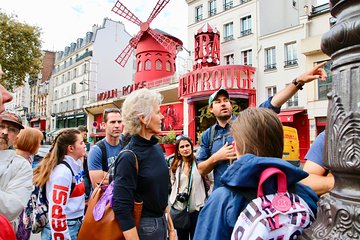
Private and customizable tours can also be designed to focus on Montmartre history and culture, highlighting areas such as Place du Tertre, former artist studios, and hidden staircases. Guides can also help steer you away from the most congested areas and flag spots that are less worth lingering in. For first-time visitors, a small-group walking tour helps paint a story of how Montmartre fits into Paris’s broader cultural landscape.




What are the best views and photography spots in Montmartre?

Hilltop views near Sacré-Coeur and quiet side streets offer some of the best Paris photography spots.
Montmartre is known for some of the best views in Paris, especially near the steps and dome of Sacré-Coeur. From here, you can see across the city toward major landmarks on a clear day. Beyond the main viewpoints, quieter streets such as Rue de l’Abreuvoir and small staircases throughout the neighborhood offer classic Paris photography spots without heavy crowds.
Generally, early morning provides the best light and fewer people in photos, while exploring just off the main routes often leads to better shots and unexpected angles.
Insider tip: For other arts-oriented things to do in Montmartre, join one of the Montmartre street art tours or take a bohemian artist excursion to see where Van Gogh lived, as well as admire some working painters in the neighborhood.
What should I wear while exploring Montmartre?

Comfortable footwear for navigating hills and stairs are a must in Montmartre.
Montmartre’s terrain makes sturdy, comfortable walking shoes a must. Cobblestones, staircases, and steep inclines are common. Wearing layers is helpful year-round but especially in spring and fall when temperatures can shift throughout the day.
While comfort comes first for a day of exploring, Montmartre is also a fashion-forward part of Paris, so simple, polished outfits help you blend in with locals. When visiting Basilique du Sacré-Coeur, modest clothing is required, so come with covered shoulders and either longer skirts or pants. Don’t forget to bring along a small bag, water bottle, and sunscreen in summer months.
Is Montmartre accessible for people with wheelchairs?

As a whole, Montmartre is not easily accessible for wheelchairs.
Montmartre can be challenging for wheelchair users and visitors with mobility issues due to its steep hills, cobblestone streets, and narrow passageways. Staircases are common throughout the neighborhood. That said, the Basilique du Sacré-Coeur is accessible via ramps, and the Montmartre funicular runs from the base of the hill to near the basilica, helping reduce the climb.
Some guided tours may be better suited for accessibility needs, but many walking tours are not fully accessible. It’s important to read the details before booking and reach out with any questions you have. Alternatively, consider booking a private tour in a vintage car to cruise down the streets of Paris in style.
Frequently asked questions

Everything you need to know about visiting Montmartre.
Is Montmartre worth visiting? Absolutely! Montmartre, often considered Paris’ original art district, is distinct from other neighborhoods, offering a mix of historic landmarks and rich art culture that’s as beautiful as it is unique.
Is Montmartre safe to visit? Yes. Montmartre is generally safe, but as with other busy areas of Paris, you should watch for pickpockets in crowded spots and stay aware of your surroundings. Stick to well-lit streets and main areas, especially at night, and avoid poorly lit side streets.
How long should I plan to spend in Montmartre? Plan for 2–4 hours to explore the streets, visit Sacré-Cœur, and stop at a café. Guided walking tours typically last 1–2 hours, while a few full-day tours around Paris are available for those who want to soak in as much as possible.
Is Sacré-Cœur Basilica free to enter? Yes. Entry to Sacré-Cœur Basilica is free, but tickets are required to climb the dome to experience the famous panoramic views over Paris.
Book more things to do in Paris





Keep reading


