
Pointe du Hoc Tours and Tickets
100+ results
Auto-translated
Sort by: Featured
























What are people saying about Pointe du Hoc
Christine_C, Mar 2026
Must do!
Regis was extremely knowledgeable and a great tour guide! He kept everyone engaged, including my teens! His passion for history is evident. Highly recommend!
Michelle_M, Mar 2025
Regis was a fantastic...
Regis was a fantastic tour guide, full of knowledge about the history of Normandy and the surrounding areas and the World War II battles. The lunch stop was both convenient and lovely. The van very comfortable, clean and Regis was an excellent driver.
Byron_W, Feb 2026
Exceptional
When the subject is D-Day you can read books and watch movies but the experience of being where such bravery and sacrifice occurred is overwhelming. Regis, our knowledgeable guide, was a wealth of information and details well beyond the battle. A visit to Normandy and Omaha Beach confirms beyond argument that freedom is not free.

John_S, May 2025
Th best day
Our driver and guide were great! This is a long 15 hour day, but incredible. Omaha beach was bittersweet but beautiful. Mont St Michel was spectacular. If you want to see both sites, do it in a day!

Pointe du Hoc

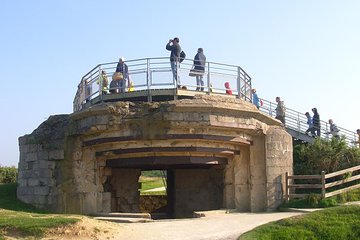
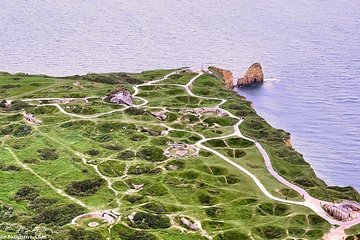
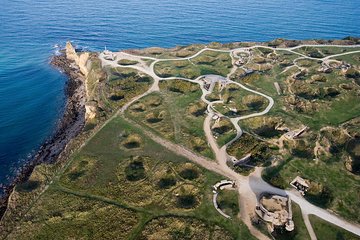
Unlike many other World War II landmarks, Pointe du Hoc has been left largely untouched, and somber remnants of the conflict are still visible today.
A monument to Lieutenant Colonel James Earl Rudder, who led the Rangers in the Pointe du Hoc assault, also stands on site.
The clifftop memorial is always free to visit.
The events of D-Day have been immortalized in numerous Hollywood movies, including “The Longest Day” and “Saving Private Ryan.”
People Also Ask
What’s the best way to experience Pointe du Hoc?
How much does it cost to visit Pointe du Hoc in 2026?
How long should I plan to spend at Pointe du Hoc?
Is Pointe du Hoc accessible for people with mobility issues?
Are there facilities such as restrooms and parking at Pointe du Hoc?
Can I bring pets to Pointe du Hoc?
More Tours in Bayeux
Things to do near Bayeux
More attractions near Bayeux