Things to do in Normandy

Things to do in  Normandy

Somber beauty on the coast

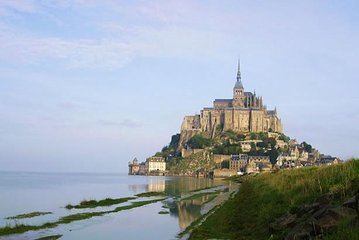
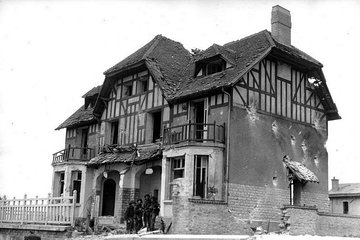
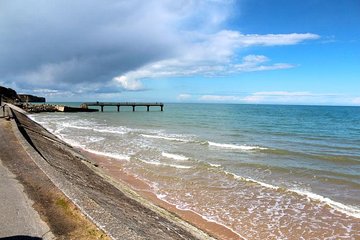
From Vikings and Franco-British Kings to World War II battlefields, the wind-ravaged shores of Normandy sit steeped in history. Some of France’s most memorable attractions are found here. Stroll the storied sands of the D-Day beaches, visit the island monastery of Mont St. Michel and the inimitable Bayeux Tapestry, and then escape to the pretty coastal resorts of Honfleur and Deauville. Tasting tours also top the list of the best things to do in Normandy, and the northern department is famed for its three Cs—cider, Calvados, and camembert cheese.

Top 15 attractions in Normandy

Top activities in Normandy

All about Normandy

Local Currency
Euro (€)
When to visit

The weather in northwestern France can be temperamental, especially along the Atlantic Coast. Late spring and early summer is the most popular time to explore, but don’t expect every day to be a beach day—coastal winds pick up quickly, and showers are possible even in July and August. The annual D-Day Anniversary on June 6 pulls in huge crowds to the D-Day beaches, but it’s worth the hassle to experience the moving ceremonies at least once.

Getting around

Most travelers arrive in Normandy by ferry (there are four cross-Channel ports with routes to the UK) or train (it’s two hours from Paris). However, it’s easier to get around with your own transport. Buses and trains link the main towns, but you’ll need a car or to join a tour to explore the beaches, cideries, and WWII memorials. A slow travel alternative is to rent a bike—Normandy has 310 miles (500 kilometers) of cycling routes.

Traveler tips

You can’t visit Normandy without trying Camembert, one of France’s most famous cheeses, and a popular local dish is Camembert roti, or baked Camembert. The circular cheese is baked whole in its wooden box, topped with honey and walnuts, and served with sliced bread to dip into the melted cheese. Wash it all down with a local cider (yum!).

en
380c74a2-77d5-467e-93a8-4b60154dfd9b
attraction_list
People Also Ask
Q:Why is Normandy famous?
A:

Normandy is one of France’s most visited regions, famous for the magnificent island monastery of Mont Saint-Michel, D-Day beaches and WWII memorials, Bayeux Tapestry, and white chalk cliffs of Etretat. Norman gastronomy is equally world-renowned—Camembert, cider, Calvados, and the French apple tart known as tarte Normande hail from here.

Q:How do I spend a day in Normandy?
A:

With only one day in Normandy, it’s best to choose just one or two attractions. Combine a tour of the Mont Saint-Michel with a cider tasting, a visit to Bayeux Tapestry with D-Day beaches, or a day trip to Honfleur and Deauville with the white cliffs of Etretat.

Q:What is the most visited place in Normandy?
A:

The island monastery of Mont Saint-Michel is the most visited attraction in Normandy, with more than 2.5 million annual visitors. Other popular sites include the D-Day beaches and Caen Memorial Museum, the Bayeux Tapestry museum, and the coastal towns of Honfleur and Deauville.

Q:How many days should you spend in Normandy?
A:

Give yourself at least three days in Normandy to cover the highlights—Mont Saint-Michel, Bayeux Tapestry, and D-Day beaches and memorials. With a full week, you could include the historic cities of Caen and Rouen, the coastal towns of Honfleur and Deauville, and the famous white cliffs of Etretat.

Q:Can you swim at Normandy’s beaches?
A:

Yes, it’s also possible to swim along the Channel coast—if you don’t mind the cold. Normandy’s golden beaches are better known for their D-Day memorials and soaring white chalk cliffs. The best time to swim is in July and August, when water temperatures average 65°F (18°C).

Q:Can you tour Normandy on your own?
A:

Yes, Normandy is easy to explore on your own with a vehicle, and traveling independently gives you flexibility. Day trips to Normandy’s cities and towns can also be made by train or bus, but to explore the D-Day beaches, it’s best to hire a car.