
Know Before You Go: Trekking to Mt. Everest Base Camp


Many people dream of summiting Mt. Everest, but to say it's no easy feat is, well, an understatement. That's perhaps why the still challenging, still gorgeous, but most definitely much more accessible trek to Mt. Everest Base Camp (EBC) is on the bucket list of many hikers, adventurers, and world travelers—that said, making your way to 17,598 foot (5,364 meter) above sea level is still not exactly a walk in the park.
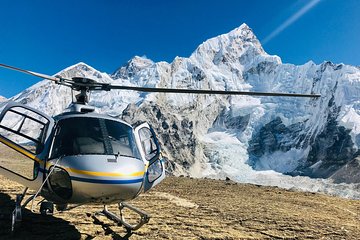
In fact, most treks take two weeks from the day that you land in Nepal to the day you fly home, though there is the option to take a helicopter out of the Himalayas and avoid the trek back down from base camp. Either way, you'll need to do some solid prep and planning to make it work. Whatever option feels right for you, the following tips and tricks will help you plan the perfect EBC trek.
Where is Mt. Everest Base Camp?

The Mt. Everest Base Camp is located in Nepal.
Before you get to base camp, you have to get to Nepal, which is where the EBC is situated. While you can book your flight in and out of Kathmandu and stay in a hotel in the area before and/ or after the trek, most people fly or take a helicopter into nearby Lukla, which is known for its incredibly short runway. From there, you can begin your trek in earnest.
However, it helps to incorporate buffer days into your schedule, because inclement weather in the Himalayas or limited visibility can lead to canceled flights. If that’s the case, you may have the option to book a helicopter to Lukla or Surke for an additional charge. You can also reach the Himalayas on flights that leave from Ramechhap Airport in Manthali.
When’s the best time to visit Mt. Everest Base Camp?

Many hikers head to EBC from March through May, though there are off-season options.
Ideal EBC trekking season is March through May, which is also the most popular time for summiteers, as is late September through November. These times of year tend to be the clearest, though the weather can still be unpredictable at higher altitudes—bring a sleeping bag to stay warm when bracing the below-freezing temperatures at night, though you may not use it as often during warmer months.
Trekking from June to August is less popular since this is typically Nepal’s monsoon season, so expect more rain and pack accordingly. Off-season winter trekking means significantly colder weather, but you’ll be rewarded with fewer crowds and lower rates at teahouses.
How can I prepare for the trek to Mt. Everest Base Camp?

Invest in traveler's insurance, up your cardiovascular endurance, and give yourself time to acclimate.
Trekking the EBC route can mean inevitable cancellations, delays, or just plain things-going-wrong, due to the nature of the weather and location. So, be sure to buy traveler’s insurance for the entirety of your trip, which can help cover lost baggage, flight delays, and itinerary changes due to inclement weather.
Then, to prepare physically for the 4–6 hours of high-altitude hiking you’ll be doing per day, up your cardiovascular endurance and go on longer hikes before arriving in the Himalayas. Finally, when you arrive, give yourself a few days to acclimatize to the higher altitudes before you begin your EBC trek proper.
What guided tour options are available to Mt. Everest Base Camp?

Though you can navigate the trek on your own, opting for an organized tour is perhaps more convenient.
When it comes to planning your trek, there are a few options: One of the most popular is going to the Everest Base Camp trek on an organized tour, which typically pairs you with a guide and porter to carry bags. Guides will also sort out the necessary permits for trekking through the Sagarmatha National Park and Khumbu region.
A less popular (but cheaper) option is to navigate the trek on your own, though you’ll be responsible for carrying your own bags and booking your own lodging in the Himalayas. (Naturally, we recommend taking the guided option, for ease.)




How often should I take breaks while trekking to EBC?

Five minute breaks are recommended after just 10–15 minutes of trekking.
During your trek, you’ll have the chance to stop for tea and lunch each day. When tackling parts of the trek with increasing elevation, it’s recommended to hike for just 10–15 minutes before taking a 5-minute break to reduce the risk of altitude sickness. Most guides recommend preventatively taking an altitude sickness medication such as Diamox, though be mindful of the side effects, which include tingling extremities and frequent urination.
If you opted for a guided tour, you’ll be reunited with your overnight bag once you arrive at the next teahouse, where you’ll have time for dinner and (possibly) a shower. Use your evening time to relax, take a dry bath using wet wipes or rinse-free wipes, and dry out your gear before the next day.
Insider tip: Expect to take part in acclimatization hikes during the trek. These allow you to gain 1,500–3,000 feet (457–914 meters) in a short space of time, and help your body adjust to shifting altitudes.
What should I pack for Mt. Everest Base Camp?

Really, you should pack only the absolute necessities (and try to keep them as lightweight as possible).
Most planes to the Himalayas allow you to bring a 22-pound (10-kilo) duffel bag and an 11-pound (5-kilo) daypack, the latter of which you’ll carry on your trekking days. With that in mind, you'll need to pack carefully and—most importantly—light.
For clothes, pack items that are light and easy to layer, such as wool sock liners, base layers, and leggings or long underwear. To protect yourself against the cold and potential rain don’t forget to bring wool gloves, a rain poncho, and sleeping bag either. You should also bring deodorizing wipes or dry wipes to take dry showers, especially at higher altitudes where hot water isn’t available.
Additionally, make sure to pack any medicine you take on a daily basis as well as medicine for diarrhea, coughs and congestion, and pain relief, just in case—resources are limited in the Himalayas. (Many trekkers also take Diamox to prevent altitude sickness, though keep in mind that Diamox has the side effects of increased urination or tingling in the extremities and face.)
You will have the option to buy bottled water throughout the trek, but it's best to bring a filtering water bottle to remove contamination from tap or stream water along the way. You'll also want a head lamp for days where you may be trekking close to sunrise or sunset. You likely won't need it much if you’re trekking during fall or spring, but it’s good to have just in case you get delayed.
Lastly, bring a portable battery to charge devices on acclimation hike days or during the trek. Or, bring a solar battery panel, which can be placed on your backpack and help boost your phone battery on sunny days. And don't forget cash to cover additional snacks, drinks, charging fees, hot showers, and tips for the porter and guide, if traveling with one.
Insider tip: If you forget anything, your best bet is to buy any last-minute items at Namche Bazaar, one of the largest sherpa villages in the world and often an early stop on the route.
Where can I stay overnight during the trek to EBC?

Teahouses provide quaint shelter where you can sleep, eat, and shower on the EBC trek.
All trekkers stay in teahouses, which are homely spots where you’ll be able to sleep, eat dinner, and—if they have the facilities—charge your phone and other equipment, do some laundry, or even grab a hot shower at lower altitudes. At lower altitudes, you may even be able to get reliable Wi-Fi for a fee, though most teahouses run on solar power so be prepared for power outages.
The rooms in a teahouse are fairly simple. They usually have a window and small beds with a blanket and pillow, and most rooms sleep 2–3 people, though you can pay more for a private room if available. Generally speaking, most teahouses don’t offer any electricity in the bedrooms, although almost all offer communal charging stations and bathrooms. Additionally, rooms aren’t typically heated, but the communal dining areas are usually kept warm, at least during meal times.
If you book your trip through a company, your teahouse reservations will be taken care of. If you’re planning to go it alone, you’ll have to go to a teahouse and ask if they have any openings for the evening. The typical cost for a stay at a teahouse is $10–15, with fees increasing at higher altitudes.
What is there to see near Mt. Everest Base Camp?

Plenty, but the Gokyo Lakes, Kala Patthar, and Island Peak are among the mot popular nearby sights.
There are some optional stops and extras that you can add on to your EBC trek. If reaching Mt. Everest Base Camp itself isn’t enough of an adventure, add 3–4 days to see Gokyo Lakes, six spectacular lakes which offer views of some of the world’s highest mountains.
Alternatively, from Gorakshep, the area you’ll likely be staying overnight on the day that you arrive at base camp, add a day trek to Kala Patthar (18,176 feet, or 5,540 meters), which offers an illuminated view of Everest during sunrise or sunset on a clear day.
For mountaineers, consider continuing your trek to climb Island Peak, which requires an extra three days. A popular alternate route to reach base camp is the Annapurna Circuit trek, a typically multi-week journey that’s farther from the busy crowds along the Mt. Everest Base Camp trek route.
Frequently asked questions

Everything you need to know about trekking to Mt. Everest Base Camp.
Can you see Mt. Everest from the base camp? Yes, Mt. Everest can be seen in the background as well as other peaks in the Everest region such as Cho Oyu, Ama Dablam, and Nuptse.
How many base camps are on Mt. Everest? It depends on the route you're trekking. There are four climbing routes on the mountain, and each one has camps along the way. The most popular route, South Col, has four camps: Camp I, Camp II, Camp III, and South Col itself which is considered the base camp for climbers attempting to reach the summit. The three other routes have three camps each.
How much does it cost to trek Mt. Everest Base Camp? Costs vary and depend on local or international operators, permits, flights, and more.
How cold is Mt. Everest Base Camp? Weather at the base camp varies throughout the year. The coldest months are reportedly December through January when the temperature averages about 1.4°F (-17°C).
Book more things to do in Nepal


Keep planning your Nepal trip


