
Know Before You Go: Seeing the Lucha Libre in Mexico City


Introduced in the 1930s, lucha libre has since grown into one of Mexico’s top spectator sport–slash–entertainment extravaganzas known for its over-the-top aerial moves, sparkly masks, and charismatic cast of top luchadores (wrestlers) and characters such as KeMonito, a small blue monkey who often pops up in the ring.
While you can see select Mexican wrestling bouts on television, it’s always preferable to catch them in person, especially in Mexico City, home to two top Mexican wrestling arenas. However, navigating the lucha libre system can be confusing if it’s your first visit to the capital, or you speak limited Spanish. Enter: our guide to Mexican wrestling culture, with everything you need to know about attending a show from what to expect to how to get there.
What is lucha libre?

Lucha libre is a Mexican wrestling spectacle which typically involves several bouts.
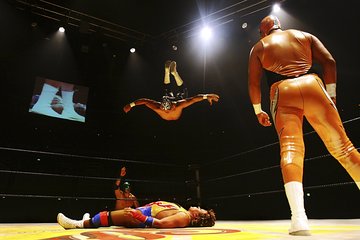
Lucha libre is essentially Mexican wrestling, which combines impressive athleticism with a certain kind of camp showmanship, and involves two (or, often, more) wrestlers—the técnicos (goodies) and rudos (heels)—throwing themselves around the ring for your viewing pleasure. Matches typically follow a progression over the evening, starting with smaller-name wrestlers warming up the crowd with one-on-one battles or tag-team bouts, which feature teams of three going up against one another. If you’re lucky, you might see a women-only bout before the star bout of the evening, featuring big(ger) name luchadores or foreign-born invitees from the US or Japan.
In short, if you’re wondering what to expect at the lucha libre, then prepare for a spandex- and sequin-filled evening of entertaining fights and a rowdy crowd.
Where can I see lucha libre shows in Mexico City?

There are two lucha libre arenas in Mexico City: Arena México and Arena Coliseo.
Mexico City is home to two of the country’s most well-known lucha libre venues: Arena México, the original and one of the best in the world, which is also known as the “Cathedral of Lucha Libre”; and Arena Coliseo, which is actually the oldest in the world.
If you’re wondering where to see lucha libre in Mexico City, the former is ideal for first-time visits, as it’s situated in Colonia Doctores, sandwiched right between the Mexico City neighborhoods of Juárez, Roma, and the historic center. This makes it easy to reach either on foot or via public transportation from across the city. The latter—situated a few blocks north of the zócalo (central square)—is the ideal spot for returning visitors looking to experience a different side to the sport.
What’s the best time to go to the lucha libre in Mexico City?

Arena México bouts take place on Tuesdays, Fridays, and Sundays: Arena Coliseo hosts Saturday night shows.
Mexico City wrestling shows take place year-round on select days of the week, depending on the venue you choose. The best place to see Mexican wrestling in Mexico City is easily Arena México, simply because the Arena México events schedule is more robust.
Opt for the rowdy Friday night shows, which begin at 8:30pm, attract large crowds, and have a boisterous, more adult-only vibe (though you’ll still likely see plenty of kids attending). Or, opt for the Sunday night shows, which are more family-friendly and start earlier (5pm). There are also shows on Tuesdays, starting at 7:30pm, which are more local in feel. At Arena Coliseo, shows typically start at 7:30pm on Saturday nights only.
Should I get tickets in advance for the lucha libre?

If you want some of the best seats, you definitely should get tickets in advance.
Getting lucha libre tickets in advance is certainly recommended if you want to see a lucha libre show in Mexico City. For the flagship Friday night shows at Arena México, ringside seats (considered by some to be the best) tend to get snapped up quickly, so booking in advance guarantees the best visibility.
However, you can often still buy tickets for other parts of the arena on the day of the event without much issue—note that prices range from roughly US$5–40. Buying direct from the box office at the front of the venue is easy enough to do, though catching a show as part of an organized tour is often the most convenient way for those with either limited time in the city or limited Spanish-speaking skills.
Insider tip: There are ushers at the venue that can show you to your assigned seats or section. Make sure you have coins to give them a small tip.
Is it worth taking a lucha libre tour in Mexico City?

Yes! You can combine other tourist activities and lucha libre shows on convenient tours.
Seeing the lucha libre as part of an organized tour means you don’t need to worry about snagging your own seats (leave it to the experts, instead), and also allows you to maximize your time by combining a show with other Mexico City musts, such as taco and mezcal tastings or walking tours of the surrounding neighborhood(s). For extra convenience, some tours also include hotel pickup and insight into the history and culture of Mexican wrestling. In short, an organized tour can take the pressure off and let you enjoy the night with no logistical hassle.




Is it safe to go to a lucha libre show in Mexico City?

Yes, it’s safe to attend a lucha libre show, though you should take the usual precautions.
Though the most popular lucha libre arena is situated in Colonia Doctores—not often considered one of the most touristic parts of the city—it is located close to many other popular neighborhoods, most notably Roma. That means that your biggest safety worries here are likely going to be overpaying for souvenirs, or getting pickpocketed.
Seeing a show as part of an organized tour can help avoid the former, while for the latter you should simply take care with your personal belongings. Basically, make sure your bag has a zipper, try not to carry phones and wallets in jeans pockets, and don’t wave your phone around too much.
What should I wear to the lucha libre in Mexico City?

Dress comfortably and casually—this isn’t the place to go all out on your outfit.
The luchadores in the ring might be wearing skintight spandex and sequins galore, but you can dress in a more understated manner to attend a lucha libre show in Mexico City. Go comfy and casual (you’ll be seated for the majority of the show, unless you stand up to cheer on your chosen wrestler) and make sure your valuables are in a zippable bag, rather than in your pockets.
One of the top lucha libre tips for tourists is that you can’t take in large bags or backpacks, umbrellas, selfie sticks, strollers, professional camera equipment, outside food and drink, or anything considered dangerous to the lucha libre arenas in Mexico City. Prepare to have your bag searched upon entry and know that you’ll likely be patted down too.
Are the lucha libre arenas accessible for wheelchair users?

Yes, though there are some limitations.
Though neither Mexico City lucha libre arena is entirely accessible, of the two, Arena México is the best option for visitors who use wheelchairs or have mobility issues. You’ll be able to access the lower floor, as there are ramps and wheelchair designated seating in parts of the arena—though visibility may be limited if ambulatory visitors stand up during the event—as well as some accessible bathrooms. However, there are a few steps required to enter the building; you may have to request entry through a separate door.
At Arena Coliseo, you can access the lower level but cannot remain in your chair. You’ll have to transfer to a seat and then have your chair returned at the end of the event. There are no accessible bathrooms.
What can I do near to Arena Mexico (or Arena Coliseo)?

You can dine or drink in Roma, head to the historic center for an evening stroll, or just grab tacos.
Given the central location of the arena, there’s plenty that you can do after a lucha libre night experience in Mexico City. Make your way west to the Roma neighborhood and bar hop between some of the city’s top nightlife spots, or simply grab tacos before heading back to your accommodation. You can even go to the historic center for a nighttime stroll, or to have a late dinner.
Additionally, you can also pick up some souvenirs outside of the arena to take home (if you didn’t already get them before the show). Top options include masks, themed keyrings, and cute stickers, though you’ll find an array of options to choose from.
Frequently asked questions

Everything you need to know about going to see lucha libre in Mexico City.
- What’s the history of the lucha libre? Once a regional sport, lucha libre centralized somewhat in the ‘30s with the advent of the Empresa Mexicana de Lucha Libre (EMLL, now CMLL). The bouts began to be televised by the ‘50s, and the phenomenon grew from there.
- What’s the deal with the masks? Unlike wrestling in the US and elsewhere, Mexican wrestling is known for the colorful masks many of its luchadores wear. This is to protect the “real” identity of the wrestler, as well as to help identify their character in the ring. For a Mexican wrestler, getting “unmasked” (often after betting on the outcome of a fight and losing) is a great dishonor.
- Who are some of the most famous lucha libre wrestlers? There are many big name Mexican wrestlers, but some of the biggest include El Santo, Rey Misterio, Místico, and Mil Máscaras. There are also popular lucha libra characters such as KeMonito, a small blue monkey who’s actually played by a Mexican wrestling manager with dwarfism.
- Is it worth buying front-row tickets to the lucha libre in Mexico City? If it’s your first time in the city, buying front-row tickets can make for a memorable experience, though expect to pay a premium compared to other seating options in the arena. Also prepare to be very close to (or rather, somewhat involved in) the action; front-row tickets are not for people with social anxiety.
- Where else can I see lucha libre shows in Mexico? Although the best lucha libre arenas in Mexico City beat out those pretty much anywhere else, Puebla—home to the Arena Puebla—also has a strong Mexican wrestling culture. The same goes for Querétaro, home to the Arena Querétaro, as well as the Estado de México. You can also see a show at the Arena Coliseo de Guadalajara.
- Is the lucha libre in Mexico City a family-friendly event? Yes, the lucha libre in Mexico City can be family-friendly. Expect to see kids at most events, but keep in mind that the Sunday shows are typically shorter and more kid-friendly affairs on the whole.
Book more things to do in Mexico City


Keep reading


