Marvao Castle on the top of the cliff in Alentejo, Portugal

Things to do in  Alentejo

The breadbasket of Portugal

Sandwiched between the sunny Algarve and the capital city of Lisbon, Alentejo is Portugal’s agricultural heartland and is responsible for some of the country’s finest produce. The landscapes of Portugal’s largest region are rife with vineyards, olive groves, wheat fields, and cork forests, so it’ll come as no surprise that most things to do here revolve around eating and drinking. But Alentejo’s highlights aren’t just limited to food: The historic town of Évora is home to Roman ruins and a medieval chapel made from bones, while Sado Estuary Natural Reserve and its four other national parks harbor a rich variety of flora and fauna.

Top 9 attractions in Alentejo

Top activities in Alentejo

All about Alentejo

Local Currency
Euro (€)
When to visit

Alentejo is nicknamed the “Frying Pan of Portugal,” so it’s best to avoid the region during the summer months of June, July, and August—temperatures can reach a scorching 113ºF (45ºC). The best times to visit Alentejo are spring (March–May) and fall (September–November) when temperatures become more comfortable and the crowds quiet down. But if you can take the heat, in August, the gorgeous fishing town of Zambujeira do Mar hosts one of the biggest summer festivals in Portugal, the Sudoeste Festival, a 5-day music event.

Getting around

While getting to Alentejo is easy enough (regular trains from Lisbon and Faro stop at towns such as Portalegre, Évora, Beja, Alcácer do Sal, and Sines), getting around the rural and rugged region itself isn’t so easy without your own transport. Renting a car will enhance your experience of Alentejo twofold, as you’ll be able to explore the countryside and coast and travel between towns without being restricted to the sometimes irregular train schedules.

Traveler tips

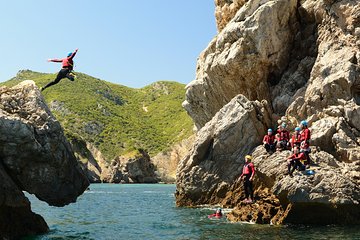
While Portugal is usually associated with beaches and cities, Alentejo is famous for its stargazing. Right in the center of the region, the tiny town of Alqueva is a certified Dark Sky Reserve because of its low light pollution. And if you’d rather gaze at storks rather than stars, Southwest Alentejo and Vicentine Coast Natural Park is home to a pristine stretch of European coastline that harbors multiple bird species.

en
2a510787-77a4-430d-adce-4b7a15d28691
attraction_list
People Also Ask
Q:What are the must-see attractions in Alentejo?
A:

The must-see attractions in Alentejo include Évora, a historic town where you can visit a bone chapel and Roman ruins, and Lagoa de Santo André Nature Reserve, a haven for birdwatchers. Head to Borba to sample some of Portugal's finest wines, and to Troia Peninsula for truly stunning beaches.

Q:What outdoor activities can you do in Alentejo?
A:

Alentejo offers a lot in the way of outdoor activities. You can go paragliding over the São Mamede Range, ride the waves at Southwest Alentejo and Vicentine Coast Natural Park, go hiking in the rugged landscapes of five different national parks, and look out for more than 200 different species of birds in Sado Estuary Nature Reserve.

Q:Which Alentejo towns and villages are worth visiting?
A:

The Alentejo towns and villages that are worth visiting include Évora, whose historic center is a UNESCO World Heritage Site; Castelo de Vide, home to whitewashed architecture and a castle; Alqueva, famous for its stargazing opportunities; and Sines, home to a pretty fishing harbor.

Q:What local dishes should I try in Alentejo?
A:

Thanks to its bounteous produce, Alentejo is a region made for feasting. White and red wine and olive oil are of the highest quality and are used in many traditional dishes. Local dishes to try include ensopado de borreg (hearty lamb stew) and cabeça de xara (terrine made from the head of a pig).

Q:Which is better: Alentejo or Algarve?
A:

That depends on what you’re looking for. Algarve boasts some of Europe’s best beaches and has a well-developed infrastructure ideal for families and nightlife. Alentejo showcases a more traditional side of Portugal and feels much more off the beaten path. English is spoken much less in the Alentejo region, however.

Q:How many days should I spend in Alentejo?
A:

Five days is the ideal amount of time to spend in Alentejo. It’s best to use either Sines or Évora as a base for exploring, as they offer the widest variety of accommodations and restaurants. You can spend one day in Sines, one in Évora, and then use the rest of your time going birdwatching, relaxing on the beaches, and sampling local produce.