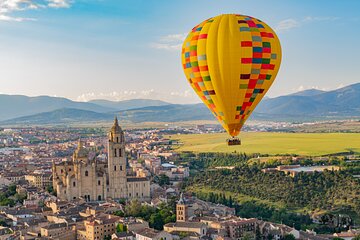
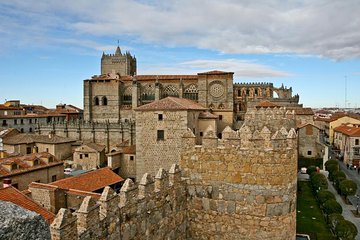
Ancient walls of Avila in Castile and León, Spain

Things to do in  Castile and León

Caminos of glory

The ancient cities of Castile and León sit at the heart of northwest Spain, where history, religion, and modernity walk by each other daily via the Camino de Santiago. This historic pilgrims’ route, which meanders across the north of Spain from west to east, remains one of the top things to do in the region—but activities aren’t limited to that. The nearby cities of Segovia and Salamanca have stunning Roman buildings, León has a world-class university, and the rural communities make great wine. It’s a Spanish hidden gem.

Top 12 attractions in Castile and León

Top activities in Castile and León

All about Castile and León

Local Currency
Euro (€)
When to visit

It can get very hot in the southern parts of Castile and León during the height of summer (July and August). During the hottest periods traditional afternoon siestas (naps) can last a little longer, making smaller towns even quieter. For more activity, try visiting in spring (March through May), and to beat the crowds, travel around in winter.

Getting around

There are fast trains from Madrid to Salamanca, León, Valladolid, and Segovia—and all these major hubs are well connected. If you want to travel to more rural areas (to visit wineries or hidden gem hiking trails) renting a car or taking a tour is your best option to get around, as public transport is unreliable. If you’re a pilgrim, you might prefer to walk.

Traveler tips

Castile and León are often overlooked in favor of some of Spain’s more traditional tourist hot spots. However, dig a little deeper and you’ll find all the Spanish culture you want, and even more besides. Learn about the local corto, a small measure of beer poured to be drunk exclusively with local tapas. Dine on local cheeses and delicacies such as morcilla de burgos (grilled blood pudding).

en
b19a3522-e03b-45f5-9d52-ef0c1f5c620f
attraction_list
People Also Ask
Q:What is Castile and Leon known for?
A:

Castile and León is known as an important cultural site because of its many historic buildings, cities full of ancient architecture, and its abundance of unique cultural traditions. It’s also known for its grand cathedrals—every city’s cathedral has local meanings behind its construction and design.

Q:Is León Spain worth visiting?
A:

Yes. León is a handsome city full of history and rich with culture—but it’s also modern thanks to its university and the number of international visitors who pass through via the Camino de Santiago. It has a lively craft beer scene and plenty of top restaurants, and the traditional tapas bars are worth the visit alone.

Q:What historic town is in Castile and Leon?
A:

There are so many historic towns in Castile and León. Ávila, Salamanca, León, Segovia, and Burgos are the main historic towns worth putting on your map, while Segovia, Salamanca, and Ávila are UNESCO World Heritage cities. Each has its own culture and fascinating history, and most have their own specialty foods, too.

Q:What is the castle in Castile and Leon?
A:

There are many castles in Castile and León, but the most imposing and recognizable is Castillo de Ampudia. This fortress was built in the medieval times and is known as the most well-preserved castle in the Palencia region of Castile and León. It’s still a private residence, but you’re welcome in certain parts.

Q:What is Castilla food?
A:

The food in Castile and León is built around a love of grilled meats, especially roasted suckling pig and brick oven-roasted lamb. Cooked dishes full of beans and pulses have been popular for centuries and are typically flavored with the region’s preserved hams. Soft blood pudding called morcilla is made from pork fat and blood.

Q:How many castles are in Castile?
A:

There are 300 castles in Castile and León, each built during the Medieval period to protect the region from invaders. There are plenty of places in Castile and León to learn about the local knights, and there are even festivals dedicated to jousting and Medieval reenactments.