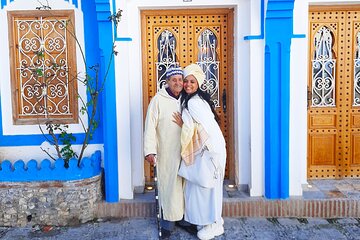
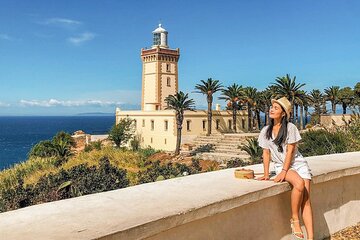
Beautiful white medina in Asilah overlooking the sea, Northern Morocco.

Things to do in  Northern Morocco

Where the Med meets medinas

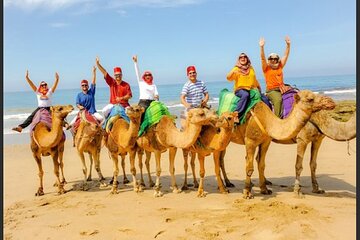
From whitewashed Tangier to the pink-walled medina of Fez, northern Morocco is a mosaic of colors, histories, and cultural identities—the latter largely down to its rule by various colonial powers during the 20th century. Consequently, from its eastern border to its Mediterranean and Atlantic coasts, travelers can enjoy a medley of things to do in northern Morocco. Ride camels along Tangier’s sandy beaches, inspect the Roman ruins of Volubilis, explore the alleyways and palaces of Fez, sip mint tea in the souks of Meknes, and soak in blue-colored Chefchaouen.

Top 15 attractions in Northern Morocco

Top activities in Northern Morocco

All about Northern Morocco

Time Zone
WEST (0)
When to visit

The best time for a trip to Morocco’s north is spring or fall: March–May or September–November. Both spells promise mild, sunny weather conducive to sightseeing across the region. Narrowing down these periods to March or November visits might also pay off by helping you swerve the start and end of Morocco’s peak May–September tourist season. Music lovers, however, might want to pencil Tangier’s Tanjazz festival into their diaries: One of the top things to do in Northern Morocco, this ever-popular event sees indoor and outdoor jazz concerts every September.

Getting around

While it’s possible to get around northern Morocco by rental car, the region’s roads and traffic can be challenging, so many tourists prefer Morocco’s reliable public transport networks. Frequent train services connect destinations like Tangier, Fez, Meknes, and Rabat, while public buses and local grands—shared minivan taxis—are cheap and easy standbys for traveling between cities, towns, and villages. Within urban centers, cabs are the go-to for hopping between sights. Plentiful and affordable, they’re flaggable from the roadside.

Traveler tips

If you’re in Tangier, make time to wander its kasbah quarter: a photogenic maze of crooked alleyways and bougainvillea-festooned houses. Admire the sea views from the Place de la Kasbah before visiting the Kasbah Museum, previously the Dar El Makhzen (Sultan’s Palace), to see its antiquities and Andalusian-style garden. Nearby is the whitewashed Le Salon Bleu café, where you can sip mint tea on a rooftop terrace offering wow-factor views over the Mediterranean.

en
4b84f023-8004-47c2-b52e-f9455e8c124b
attraction_list
People Also Ask
Q:Is northern Morocco worth visiting?
A:

Yes, northern Morocco is worth visiting for its colorful cities, sights, and beaches. Sample vibrant Tangier with its whitewashed kasbah, charming medina, and iconic cafés—the now-faded haunts of many 20th-century artists and writers—and watch Atlantic rollers from nearby Cape Spartel. It’s also worth exploring blue-painted Chefchaouen and imperial cities like Fez, as well as the peaks of the Rif Mountains and Atlas Mountains with their panoramic views over the North African desert.

Q:What are the top attractions to visit in northern Morocco?
A:

The main attractions in northern Morocco are found in its cities. The imperial city of Fez captivates with its traditional Moroccan walled medina, artisan crafts, and tiled mosques and palaces. Other must-visits for experiencing Moroccan culture and Moroccan cuisine include Meknes, another imperial city; Tangier, with its cafés, medina, and sandy beach; and the magical, blue-painted town of Chefchaouen with its Spanish Mosque with its stunning view over the medina. Casablanca is home to the Hassan II Mosque, one of the largest in the world.

Q:How many days do you need in northern Morocco?
A:

How long you need in northern Morocco depends on you. If you’re staying in one city, like Fez, 2–3 days lets you experience the highlights with a guided tour, including its medina, mosques, and palaces. To cover the wider region’s must-sees on day trips or multi-day private tours, aim for around seven days to visit Tangier, Chefchaouen, the UNESCO World Heritage Site of Volubilis, plus Fez and Meknes.

Q:Is northern Morocco safe for tourists?
A:

Yes, northern Morocco is generally safe for tourists. However, there is a risk of terrorism, so it’s advisable to maintain caution. Petty crimes like pickpocketing can occur in places like medinas and beaches, so be mindful of your belongings. Women traveling solo should also note that they may experience unwanted attention from men.

Q:What should I wear in northern Morocco?
A:

Morocco is a Muslim country, so all travelers should avoid wearing revealing clothing out of respect for the local culture. Men should favor long pants over shorts, and women should pack loose-fitting attire that covers their shoulders, arms, and legs. Women who plan on visiting the mosques will also need to pack headscarves.

Q:What language do they speak in northern Morocco?
A:

Most citizens of northern Morocco speak the country’s two official languages: Arabic and Amazigh (Berber). In addition, the legacy of the French occupation of Morocco between 1912–1956 means that French is still widely spoken here. Some locals also speak Spanish due to the region’s historical and business ties with Spain.