
Know Before You Go: Visiting Montserrat


Perched atop a striking, jagged mountain range, the Monastery of Santa Maria de Montserrat is one of Catalonia’s most important sites. Meaning “saw mountain” in Catalan, the unique rock formations of the mountain and the monastery have been a pilgrimage destination for centuries.
In this Montserrat travel guide we’ve brought together all the practical advice, essential planning details, and answers to key questions about making the most of a Montserrat monastery visit. Whether you’re seeking a quiet pilgrimage, scenic viewpoints, or a classic Montserrat day trip from Barcelona, here’s everything you need to know.
How do I get to Montserrat from Barcelona?

A combination of train and cable car or rack railway takes you from Barcelona to Montserrat.
Getting to Montserrat from Barcelona is easy thanks to reliable public transportation from the city. Take the R5 train from Plaça d’Espanya to Monistrol de Montserrat, a journey of about an hour.
From there, choose between the bright-yellow Montserrat cable car experience—the quickest and most dramatic ascent—or the rack railway, which offers a smooth climb with panoramic views. Both will deliver you directly to the monastery in the mountains. If you prefer not to juggle tickets or transfers, choose a guided tour to Monsterrat that bundles transport and scheduling into one seamless experience.
When’s the best time to visit Montserrat?

Visit Montserrat in the shoulder seasons and early mornings for comfortable conditions and fewer crowds.
We’re calling it: Summers in Barcelona are too hot. Instead, the best time to visit Montserrat is during the spring and fall shoulder seasons, which bring milder temperatures ideal for sightseeing and Montserrat mountain hiking. Summer, the busy season, is just plain sweaty and crowded. To take it one step farther and really avoid the crowds, get an early start from the city and arrive at Montserrat in the morning for fewer people.
For a quieter basilica experience or shorter waits to see the Black Madonna, winter can also be peaceful and atmospheric. The tradeoff is, of course, very chilly temperatures at the summit, although Catalonia in general is known for sunny weather year-round. If hearing the Escolania boys’ choir is a priority, check performance times in advance to coordinate your visit.
Insider tip: Cloud inversions are common in autumn and winter at Montserrat—arriving early can mean catching the monastery rising above a blanket of clouds.
What are the opening and closing hours at Montserrat?

It depends on the attraction, so there are several different opening hours to consider at Montserrat.
The basilica typically opens around 7am and closes in the evening at 8pm, though viewing hours for the Black Madonna are more limited, typically from 8am to 10:30am and midday until 6:25pm. The Montserrat Museum and both funiculars operate on seasonal hours, with shorter days in winter.
Because schedules can shift for religious services, holidays (Catalonia has a lot of them), or maintenance, you’ll need to check ahead before planning your day. And if seeing the Black Madonna is a priority, it’s worth booking a priority access ticket to skip over the long lines.
What ticket and tour options are available for visiting Montserrat?

You can enjoy easy ticketed entry, transport bundles, and handy guided tour options.
Montserrat offers a range of ticketed experiences, from basic basilica entry to combination passes that might include a private guided hike or priority access to see the Black Madonna. For tickets that include one of the choir performances by the Escolania, specific admission times must be followed.
For a streamlined visit, opt for Montserrat guided tours that handle all the logistics of tickets and come with expert commentary. Other tours bundle a visit to Montserrat with some nearby wine and tapas stops in the countryside.


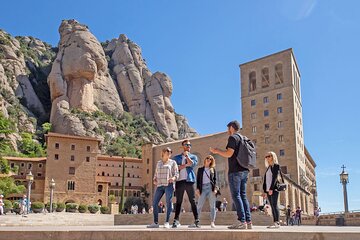

What should I expect during my Montserrat monastery visit?

A tour to Montserrat delivers sacred spaces, panoramic viewpoints, and enriching cultural experiences.
A Montserrat Monastery visit centers on the basilica, home to the revered Black Madonna and centuries of Benedictine tradition. Queues to see the statue can be long during peak hours, so arrive early or allow extra time if this is a priority. The boys’ choir, called the Escolania de Montserrat, performs most days and is another big highlight of a Montserrat monastery visit.
Outside the basilica, terraces and plazas frame sweeping views across Catalonia. Another major Montserrat cultural attraction is the Montserrat Museum, home to an impressive collection of Catalan artworks, sculptures, and artifacts. Rounding out the experience are restaurants, shops, and several walking paths that trek to viewpoints in the surrounding mountains. Expect the trip to take between 5–8 hours depending on how much you do, giving you plenty of time to arrive back in the city for a Barcelona tapas tour.
Did you know?: Montserrat’s Escolania is one of Europe’s oldest boys’ choirs, with documented performances dating back to the 13th century.
Are there other things to do in Montserrat besides the Monastery?

Hiking routes, viewpoints, and restaurants round out a full-day experience at Montserrat.
Even if you’re not big into religious sites, there are still plenty of things to do in Montserrat—on par with the very best Barcelona cultural tours. From the monastery, there are two funiculars that whisk you up to panoramic viewpoints and trailheads in the mountains above. The Sant Joan Funicular leads to one route that treks toward Sant Jeroni—the highest peak in the area—and a major highlight for Montserrat mountain hiking. The Santa Cova Funicular delivers you to a peaceful pilgrimage path lined with sculptures.
Otherwise, stick closer to the Monastery and visit the Montserrat Museum, showcasing works by artists such as Dalí, Picasso, and Monet. Nearby cafés and market stalls offer regional cheeses (such as mató) and honey, for a spot of Montserrat local cuisine sampling.
Did you know?: Several sculptures along the Santa Cova path were created by Catalan Modernist artists, including a young Antoni Gaudí.
What should I wear or bring with me when visiting Montserrat?

Dress for changing mountain conditions and respectful entry to religious spaces.
Even on a warm Barcelona morning, Montserrat’s elevation can make the air noticeably cooler. Like on any Barcelona nature walking tour, make sure to pack layers and sturdy footwear if you’re planning on exploring the hiking paths. The basilica has no strict dress code, but dress modestly out of respect, just as you would at most other religious sites in Spain.
Because the terrain includes steps, cobblestones, and uneven trails, comfortable shoes can dramatically improve your day. Year-round, sunscreen is essential; in summer, don’t forget to bring water, and in winter, a windproof jacket keeps the mountain breezes at bay.
Is Montserrat accessible for those with limited mobility?

Most of the complex at Montserrat is accessible, but the Black Madonna has some limitations.
Most of the monastery complex, including the basilica, main plazas, shops, and the rack railway, is wheelchair accessible, with smooth paths and ramps. This means that visitors with limited mobility can still get to the monastery using the public transport options from Barcelona. However, the cable car is unfortunately not accessible for wheelchairs.
Inside the basilica, designated seating makes visits manageable, though access to the Black Madonna involves stairs and is not adapted; unfortunately, it’s the only thing that isn’t really accessible to visitors with limited mobility at Montserrat.
Frequently asked questions

Everything you need to know about visiting Montserrat.
Why is Montserrat famous? Montserrat is renowned for its dramatic serrated mountain peaks, its Benedictine monastery, and the revered Black Madonna, one of Catalonia’s most important religious icons. It's been a pilgrimage site for centuries and the whole place remains a major cultural center thanks to Escolania, one of Europe’s oldest boys’ choirs.
How long does the cable car and rack railway journey take at Montserrat? The cable car takes about 5 minutes to reach the monastery. The rack railway is slower, taking about 15 minutes on a steady climb through the mountains.
Do I need to book Montserrat tickets in advance? Advanced booking is highly recommended in peak and shoulder seasons, especially for Black Madonna access and a seat at one of the choir performances. Walk-up tickets can be available on quieter days in winter, but time slots can fill quickly; the reality is that Montserrat is a popular day trip from Barcelona year-round.
How much walking is required at Montserrat? Expect moderate walking around the monastery, with some steps and cobblestones. The surrounding hiking trails range from short, scenic walks to several-hour treks, but casual visitors can enjoy the major viewpoints without a lot of effort.
Is photography allowed inside Montserrat’s basilica? Photography without flash is permitted, although if there’s a religious service happening, taking photos isn’t allowed. For everything else, simply look for signs and follow the instructions of staff members.
Book more things to do in Barcelona




Keep planning your Barcelona trip


