
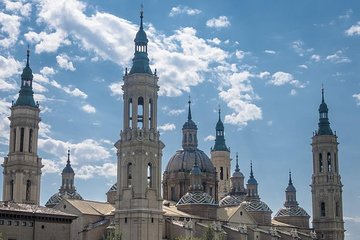
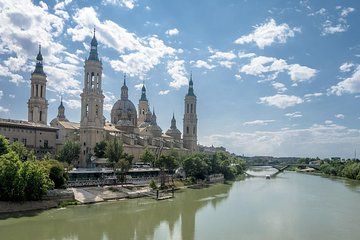

Basilica of Our Lady of the Pillar and the cityscape of Zaragoza.

Things to do in  Zaragoza

Aragon’s crowning jewel

Though one of Spain’s largest cities, the Aragonese capital is often overlooked as a tourist destination—despite its direct train connections to Madrid and Barcelona. Fortunately, this means that those who make it here can get a taste of authentic Spanish culture, from El Tubo’s famous tapas to the imposing Basilica of Our Lady of the Pillar, considered one of Spain’s most important heritage landmarks. Plus, a modern shopping district, vibrant art scene, and sprawling green spaces ensure plenty of things to do for all types of visitors to Zaragoza.

Top 3 attractions in Zaragoza

Top activities in Zaragoza

All about Zaragoza

Local Currency
Euro (€)
When to visit

The best time to visit Zaragoza is in the spring or fall for pleasant weather and fewer tourists. If you’re visiting in fall or winter, watch out for the cierzo—a fierce wind unique to the Ebro Valley region that makes temperatures feel up to 10 degrees colder. The Fiestas del Pilar are easily Zaragoza’s most famous celebrations; held every October in honor of the city's patron saint, Our Lady of the Pillar, the week-long festival includes parades, concerts, and religious services.

Getting around

Zaragoza’s efficient public transport system includes buses and trams that cover most of the city. Single tickets are available on board, or you can grab a multi-ride pass at stations and kiosks. For city exploring, try the hop-on hop-off sightseeing bus, explore the suburbs and their cycle lanes with a rental bike, or take a stroll through the fully pedestrianized Old Town (Casco Viejo).

Traveler tips

As you explore the Basilica of Our Lady of the Pillar, look out for the fresco that adorns the dome above the Small Choir of the Virgin, Adoration of the Name of God, an early masterpiece by locally raised Francisco Goya. Learn more about the icon’s life and work at the nearby Goya Museum or Zaragoza Museum, or take a day trip to his birthplace in Fuendetodos, around 25 miles (40 kilometers) from the city in rural Aragon.

en
6075acf6-3ccc-48f6-bc17-2b23cbced6ce
attraction_list
People Also Ask
Q:Is Zaragoza worth visiting?
A:

Yes, Zaragoza is rich in history and culture, and it offers a distinct glimpse of modern Spanish life, unlike its more tourist-orientated neighbors. Be aware that English is not as widely spoken in Zaragoza as it is in other major cities—though the Maños (nickname for locals) are very welcoming of newcomers to their city.

Q:How do you spend a day in Zaragoza?
A:

Start early on a tour of the Plaza del Pilar and Old Town, taking time to explore the basilica and nearby museums. After a light lunch and heavy siesta, visit the UNESCO–listed Aljafería Palace or the city’s Roman ruins before getting your evening underway with a taste of El Tubo’s best tapas.

Q:What is Zaragoza best known for?
A:

Zaragoza is famous for its Basilica of Our Lady of the Pillar, freezing wind, and rich cultural heritage, with Iberian, Roman, Moorish, Jewish, and Christian influences all visible today. The city is also known for its tapas, nightlife, and vibrant art scene, with native son Francisco Goya one of the biggest names associated with Zaragoza.

Q:Is Zaragoza expensive for tourists?
A:

No. Compared to Madrid and Barcelona, Zaragoza is very affordable—especially if you brave the cierzo (the local wind) and visit in low-season months like January, February, or March. You don’t need to splash out for inner city accommodation either—outer barrios (neighborhoods) like Casablanca are easily accessible by tram.

Q:What food is Zaragoza known for?
A:

Zaragoza’s modern culinary scene is built on tapas, small morsels meant to be eaten at the bar over local beers or Aragonese wines. Lots of traditional dishes like ternasco (suckling lamb) now have tapas versions, while guirlache (almond nougat) is a local treat for the city’s sweet-toothed guests.

Q:Is Zaragoza closer to Madrid or Barcelona?
A:

Zaragoza is almost slap-bang in the middle of the two cities: It's 199 miles (320 kilometers) from Madrid and 191 miles (307 kilometers) from Barcelona. It takes about an hour and a half to reach either city by high-speed train, making it a perfect stop-off between the two!