
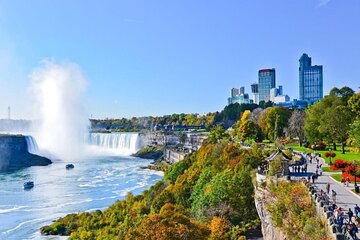
People sit on park benches across from the Toronto skyline

Things to do in  Toronto

The world in one city

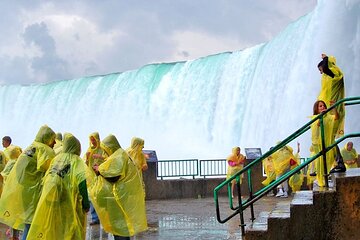
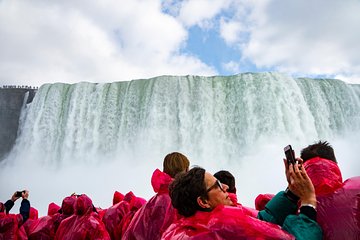
Canada’s largest city is defined by two seasons. The summer is when the weather’s warm, the streets and markets are bustling with tourists and locals, and the shore of Lake Ontario is an adventure playground. Then there’s the winter, with sub-sub-sub-zero temperatures that see life taken indoors and underground. But the multicultural Toronto region is fun at any time of year, and there are many things to do in Toronto to suit all seasons—whether you head to the Hockey Hall of Fame to see the Stanley Cup, shop for bites and bargains at the St Lawrence Market, or plan a day trip to Niagara Falls on the border between Canada and the United States. Whatever you do, just make sure you’re dressed for the weather.

Top 15 attractions in Toronto

Top activities in Toronto

All about Toronto

Local Currency
Canadian Dollar (CA$)
When to visit

This cosmopolitan city is always dynamic and exciting, but it’s definitely at its liveliest in sunny summertime, when temperatures hit an average high of 80°F (27°C). That warm weather draws crowds to the city’s beaches, urban retreats like the Toronto Islands, and hip cafes in the trendy Distillery District. For a different perspective, visit in the autumn shoulder season: One of the best things to do in Toronto is discover its leaf-peeping season, and regional destinations like Algonquin Park make for an ideal way to get out in nature.

Getting around

The city’s extensive public transportation networks make it easy to explore. The city has a subway system and a network of nine streetcar routes and is served by multiple bus lines. Ferry and water taxi services also connect the city to the Toronto Islands, which themselves are best explored on foot or by bike. Much of the city center is walkable, and taxi services offer another way to get around.

Traveler tips

Canada’s largest city, Toronto is also its most diverse and dynamic—45 percent of residents speak a language other than English or French, and it’s often called the most multicultural city in the world. One of the best things to do in Toronto is to seek out new culinary encounters—from Ethiopian to Korean, Pakistani to Polish, Argentine to Burmese. Its eclectic restaurants represent the global population of Toronto.

en
3fff9c6c-c46a-4379-b6d0-0d381e6e4bd7
attraction_list
People Also Ask
Q:What is Toronto famous for?
A:

Toronto, Canada’s most populous city, is famous for its setting on the northwestern shore of Lake Ontario. It’s also known for the CN Tower, its cosmopolitan restaurants and nightlife, historical landmarks like Fort York, and its very cold winters. And it’s a popular jumping-off point for day trips to nearby Niagara Falls, on the other side of Lake Ontario.

Q:What activities are available in Toronto?
A:

Toronto offers a range of cultural, shopping, dining, and outdoor activities, particularly in the warmer months. In winter, options are limited to indoor activities. Popular activities include taking in the view from the CN Tower, shopping at Kensington Market, touring the Steam Whistle Brewery, and heading to Centreville Amusement Park.

Q:How can I spend 2 days in Toronto?
A:

With two days in Toronto you can enjoy a range of cultural and outdoor activities (season dependent). Spend day one at the Royal Ontario Museum and/or the Ontario Science Centre, browsing the nearby shops and restaurants in between. On day two, take a trip around Lake Ontario to Niagara Falls, or relax on a harbor cruise.

Q:What can couples do in Toronto?
A:

Toronto is a big city that caters to a range of interests. Head up the CN Tower for a romantic dinner at the revolving restaurant, smell the roses (and other flowers) at the Botanical Garden, or take a day trip to popular honeymoon spot Niagara Falls.

Q:Is Toronto very expensive?
A:

Yes, this city can be expensive to visit. Accommodation, food, and attractions are in-line with other big-city prices. However, because it’s a large and diverse city, you can choose accommodation, food, and activities to suit your budget, whether that’s on the lower or upper end of the scale.