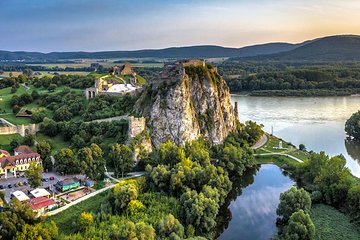
Spis castle at sunrise - UNESCO heritage site, Slovakia

Things to do in  Slovakia

King of the castles

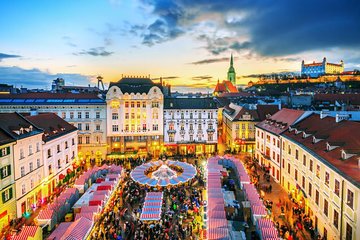
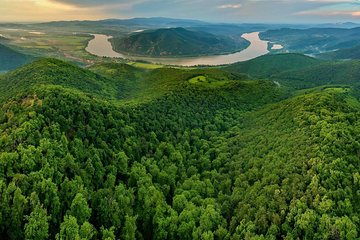
Often overlooked in favor of its famous neighbors, Slovakia is one of Central Europe’s most rewarding destinations. Bratislava sets the tone for visiting Slovakia’s cities with its atmospheric Old Town, and proud arts and culture scene. But it can’t prepare you for all the other things to do in Slovakia: climb snow-capped peaks in the Tatras Mountains; wander tiny folk villages such as Čičmany; and marvel at the hilltop Orava and Spis castles. All of these attractions reflect the natural and cultural depths of the country.

Top 15 attractions in Slovakia

Top activities in Slovakia

Top Destinations

All about Slovakia

Local Currency
Euro (€)
When to visit

For general sightseeing, the best times to visit Slovakia are spring (April–June) and fall (September–November), when there are fewer crowds. Those looking to hike should come from July to October when the mountains will be mostly clear of snow. However, if skiing is how you want to spend your time in Slovakia, come during ski season from December through April.

Getting around

Slovakia’s rail network is an efficient way to travel between the country’s cities—it only slows down to skirt around mountain ranges. Buses complement trains by broadly covering the country, particularly smaller destinations and places near the mountains. Renting a car will be the most flexible option though as it frees you from public transport timetables and takes the difficulty out of getting to mountain attractions.

Traveler tips

If you’re going hiking in Slovakia’s mountains, be sure to pack appropriately. Even in summer, it can be cold in the mountains and you’ll want layers of warm clothing to stay comfortable. It’s also important to understand that there are two different mountain ranges in Slovakia with Tatra in their name; the High Tatras are home to Tatra National Park in north Slovakia and the Low Tatras run through the center of Slovakia.

en
021ce5b8-b150-48e8-872b-577007cf8f9b
attraction_list
People Also Ask
Q:How many days are enough for Slovakia?
A:

Three days is enough time in Slovakia. You can visit the capital Bratislava and do a day trip to Bojnice Castle or Orava Castle, or one of Slovakia’s many traditional villages. However, travelers should allow a week to experience Slovakia in more depth.

Q:Is Slovakia an affordable country to visit?
A:

Slovakia is more affordable to visit than many European countries, especially popular destinations in Western Europe. It’s also generally cheaper to travel than neighboring countries such as Austria and the Czech Republic, but the same or more expensive than Poland or Hungary. Food, drinks, and transport are often where you’ll save money.
Q:Is it easy to travel in Slovakia?
A:

It depends. Slovakia can be a relatively easy country to travel in if you’re traveling between its main cities or have your own vehicle to get around in. Getting to smaller towns or places in the mountains can be more challenging when traveling independently, both in terms of transport and communicating in English.

Q:What is Slovakia most known for?
A:

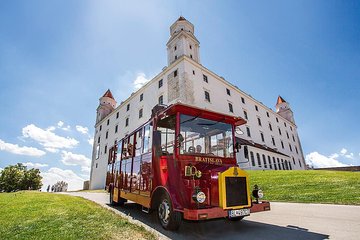
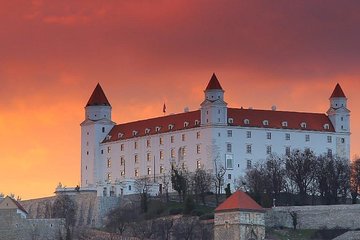
Slovakia is best known for its capital city Bratislava and its impressive mountains. Bratislava is famous for its castle and historical center along the Danube River. Tatra National Park is the most well-known place in the mountains of Slovakia, offering many hiking routes and picturesque alpine lakes to visit in summer, plus skiing in winter.

Q:How could you spend a week in Slovakia?
A:

There are many ways to spend a week in Slovakia depending on your interests. A common itinerary for a week in Slovakia includes two days in Bratislava, several days in the mountains of the High Tatras, and the remainder of the trip visiting cities such as Trencin, Banska Bystrica, and Kosice.

Q:Is English widely spoken in Slovakia?
A:

Slovakia ranks among the top European countries where people speak English, so you should encounter some people who speak at least a little English when you visit. Teenagers and young adults are more likely to speak English in Slovakia than older people, as are people in the tourism industry.