Things to do in Mumbai

Things to do in  Mumbai

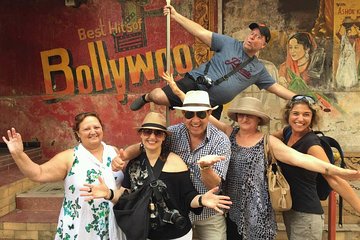
Once upon a time in Bollywood

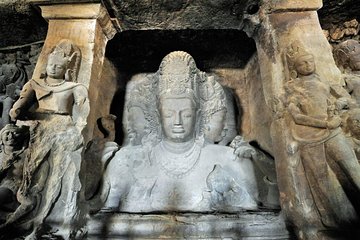
Stretching along the Arabian Sea on India’s western shores, Mumbai (formerly known as Bombay) is India’s most populous city. It’s home to the Bollywood film industry and offers loads to experience, from film studio tours to boat trips to the ancient temples at the Elephanta Caves. Many of the best things to do in Mumbai are situated in the southern part of the city, from the landmark Gateway of India to the UNESCO-listed Chhatrapati Shivaji Terminus.

Top 15 attractions in Mumbai

Top activities in Mumbai

All about Mumbai

Local Currency
Indian Rupee (₹)
When to visit

The best time to visit Mumbai is between October and mid-May when there’s little to no rainfall. The annual monsoon rains usually begin in late May or June and last until September. Arts fans should consider a winter visit to coincide with the annual Kala Ghoda Arts Festival, which runs for nine days, starting on the first Saturday of February.

Getting around

Mumbai is well-served by train, with an extensive rail network that connects different neighborhoods from north to south. Auto rickshaws and taxis are also good options; using the meter is standard practice in Mumbai, so you won’t have to worry about negotiating a fee. Both can easily be hailed off the street or booked using ride-hailing apps such as Ola Cabs.

Traveler tips

If you want to try an array of delicious Indian specialties in Mumbai, make a beeline to Chetana Veg Restaurant in South Mumbai’s Kala Ghoda neighborhood. The restaurant is known for its thali, a complete meal featuring a smattering of dishes on one large plate. Expect copious amounts of bread, rice, vegetable curries, and lentil dishes, along with a selection of desserts. There’s also a small bookstore attached to the restaurant that sells titles on topics ranging from Indian philosophy to Ayurvedic medicine.

en
58380fe7-0a5e-44ef-a19d-acb9fc192e78
attraction_list
People Also Ask
Q:What is Mumbai famous for?
A:

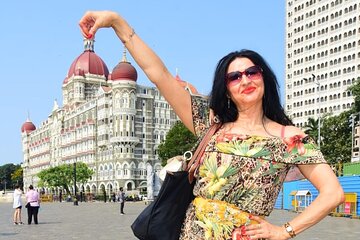
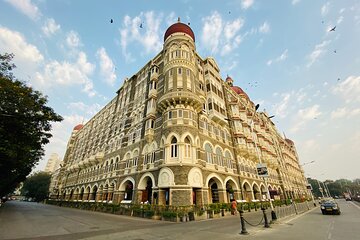
Mumbai mixes modern-day India with nuggets of its colonial period. Its Taj Mahal Palace Hotel, Gateway of India, and CST station testify to Britain’s architectural legacy, while its high-rises, overshadowing old markets and slum districts, reflect its new wealth. The city’s also known as the hub of India’s glittering Bollywood film industry.

Q:Which places in Mumbai are popular among tourists?
A:

Tourists focus on Mumbai’s Raj-era gems, covering must-sees such as the grand Gateway to India and ornate CST railway station. Other highpoints include the Dhobi Ghat outdoor laundry, Crawford Market—a grand 19th-century market hall—the Elephanta temple caves, and Marine Drive, a curving promenade lined with beautiful art deco houses.

Q:How many days do I need in Mumbai?
A:

One day allows a whistle-stop Mumbai tour, but two or three is better. After admiring the Taj Mahal Palace Hotel, High Court, and CST, you’ll have time to explore the Elephanta Caves and Crawford Market and gain insight into locals’ lives at the Dharavi slum area or open-air Dhobi Ghat laundry.

Q:Why was Bombay changed to Mumbai?
A:

The city’s name was changed by its ruling political party in 1995 because Bombay—its English-given moniker—was too heavily associated with the British Empire. The name Mumbai was chosen for its roots in the name of Mumba Devi, the Hindu goddess of the area’s oldest fishing communities, the Koli.

Q:Is Mumbai safe for women?
A:

Yes. Mumbai is considered one of India’s safest cities for women travelers. If you’re female and out and about—either solo or with others—you can feel pretty safe. However, don’t be surprised if you encounter some staring and unwanted attention from local men, although actively hostile behavior is unlikely.

Q:Is Mumbai worth visiting?
A:

Yes. India’s largest city by population, the vast metropolis of Mumbai offers everything from brooding colonial architecture to vibrant markets, exotic temples, humbling poor districts, and glass skyscrapers. It’s worth visiting because it’s India in microcosm: All that is old and new about this captivating country captured in one city.