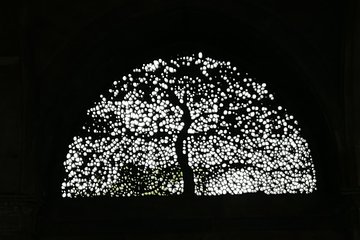
View of Jumah Mosque in Ahmedabad, Gujarat

Things to do in  Ahmedabad

Follow in Gandhi’s footsteps

The largest city in Gujarat, Ahmedabad (also called Amdavad) mixes old and new on the banks of the Sabarmati river. The 15th-century old city—a UNESCO World Heritage Site—is a maze of bazaars, heritage architecture, and traditional homes called pols, best explored on foot. Farther afield, travelers flock to the modern riverfront, to the much older Adalaj Stepwell, and to pay respects to Mahatma Gandhi at Sabarmati Ashram, where the “father of modern India” lived. Come January, the international kite festival is one of the best things to do in Ahmedabad.

Top 15 attractions in Ahmedabad

Top activities in Ahmedabad

All about Ahmedabad

Local Currency
Indian Rupee (₹)
When to visit

After the humid, unbearably hot summer (March–June) and the monsoon season (July–September), winter in Ahmedabad brings a welcome respite of comfortable sightseeing weather, ideal for exploring on foot. Winter also brings the International Kite-Flying Festival, part of the Uttarayan, an annual Hindu festival celebrating the winter solstice in January. Monsoon season is the second-best time to visit but can bring torrential downpours, especially in July.

Getting around

Ahmedabad is in western Gujarat, about 16 hours southwest of Delhi by car, and a little less by train. Like many Indian cities, it has a circuitous network of public buses, taxis, and rickshaws that can get you just about anywhere you need to go. For a straighter journey, hop aboard The Ahmedabad Metro, which has two lines serving both Ahmedabad and Gandhinagar, but keep in mind that parts of the metro might be under construction.

Traveler tips

Taking the train to Ahmedabad? When you’ve stepped off at the railway station, head to the Lucky Tea Stall on Mirzapur Road opposite the clocktower. Not only does the locally famous shop have the best tea-and-maska-bun combo in town, it’s also more than 70 years old and built atop a graveyard, with graves curiously enshrined within. Despite its popularity, the stall has remained a humble spot where locals come to drink and chat.

en
fbf908da-a35d-4d3a-b6ca-4b0aeabe43c5
attraction_list
People Also Ask
Q:What is Ahmedabad famous for?
A:

The largest city in Gujarat, Ahmedabad’s claim to fame is Sabarmati Ashram, where Mahatma Gandhi (known as the “father of modern India”) lived. The city is also known for the heritage architecture in the 15-century old town, the Calico Museum of Textiles, and having one of India’s most cutting-edge economies.

Q:Is two days enough to visit Ahmedabad?
A:

Yes, two days is enough to see the main attractions. On day one, visit the Gandhi Ashram, Akshardham temple complex, and Law Garden’s night market. Add in the Calico Museum of Textiles and Sufi, Jain, or Hindu religious monuments, and you’ll have a great idea of what Ahmedabad offers.

Q:How can I spend one day in Ahmedabad?
A:

Stay near the Old Town and Sabarmati river. Explore central Ahmedabad in the morning, ensuring you don’t miss the Sidi Saiyyed Mosque and the Jama Masjid. In the afternoon, venture farther afield to the Sabarmati Ashram, where Gandhi lived, and the Law Garden Night Market for crafts and food.

Q:Which is the best month to visit Ahmedabad?
A:

January is the best month to visit Ahmedabad. In the heart of winter, the city remains cool, dry, and comfortable for daytime walking, unlike in summer or monsoon season. What’s more, the month brings the annual kite-flying festival, part of the Uttarayan, a Hindu festival celebrating the winter solstice.

Q:Does Ahmedabad have nightlife?
A:

Gujarat, where Ahmedabad lies, is a “dry state,” prohibiting the sale of alcohol since its inception in the 1960s. While this makes it difficult (or near impossible) to find pubs or bars operating in the open, the city has a noted café and lounge scene and plenty of modern dance clubs.

Q:Is Ahmedabad worth visiting?
A:

Yes, Ahmedabad is worth visiting. It’s the largest city in Gujarat and beckons with some of India’s most renowned attractions—among them, the Sidi Saiyyed and Jama Masjid mosque, the Sabarmati Ashram where Gandhi lived, and the 15th-century old town, a bazaar of heritage architecture and UNESCO World Heritage Site.