
Húsavík Tours and Tickets













What are people saying about Húsavík
marilyn_r, Aug 2026
We went in late...
We went in late August…the puffins were gone for the season, which we were aware of. The RIB boat ride was fantastic, but very little whale activity that morning…the tour guide was great!
Erika_R, Aug 2026
While booking, I saw...
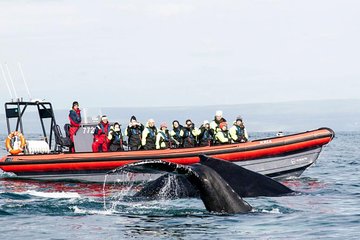
While booking, I saw other reviewers say the rib boat gets way closer, so thats what we picked and I'm happy we did. The 2 hr time frame was the perfect amount
Michael_M, Aug 2026
The crew was extremely...
The crew was extremely knowledgeable and worked very hard to spot whales and make sure everyone was able to see them. Beautiful scenery!

Rebecca_J, Aug 2026
Pretty good with a caveat
They have a tiny bathroom on the Moby Dick ship which they didn’t even publicly announce was there. It is a 3 hr tour and they should have told everyone before suiting up to be sure to use the bathroom bec for 3 hrs there is basically no chsnce

Húsavík

Pack warm clothes when visiting Húsavík—it can be cold out on the water even in the summer months, and temperatures tend to drop at night.
Húsavík is small enough to get around on foot, but it’s best to have your own transport or to join a tour if you want to explore further afield.
Most of Husavik’s attractions are accessible for wheelchairs and strollers. Some boat cruises are also accessible, but it’s best to check ahead.
People Also Ask
What’s the best way to experience Húsavík?
How much does it cost to visit Húsavík in 2026?
What is Húsavík known for?
What other wildlife can I see in Húsavík?
What are the main attractions in Húsavík?
When is the best time to visit Húsavík?
More Tours in Akureyri
Things to do near Akureyri
More attractions near Akureyri