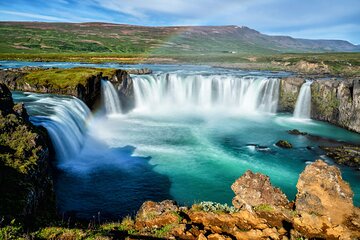
Godafoss waterfall during winter at sunset, North Iceland

Things to do in  North Iceland

Life on the edge

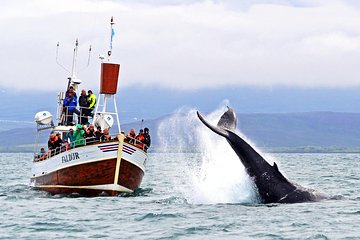
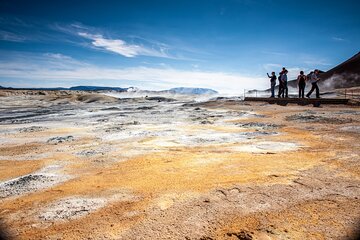
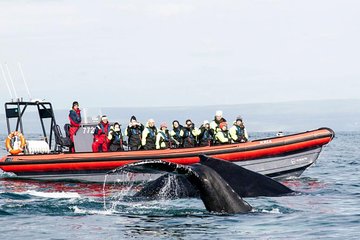
North Iceland is a land of contrasting natural wonders, from quaint fishing villages and long, lush valleys to barren lava fields and rugged mountains. Perched on the edge of the Arctic Circle, North Iceland shows off dazzling skies thanks to summer’s midnight sun and the flickering lights of the aurora borealis. Whether admiring the thundering falls of Godafoss, soaking in a bubbling hot spring, whale watching, or horseback riding through the valley of Skagafjörður, you’ll find no shortage of things to do in North Iceland.

Top 15 attractions in North Iceland

Top activities in North Iceland

All about North Iceland

Local Currency
Icelandic Króna (ISK)
When to visit

You can visit North Iceland all year round, but the best time to visit is undoubtedly during the summer, from late May to early September. During this period, you can take advantage of the long daylight hours to pack more activities into each day. Temperatures are also at their most comfortable for outdoor adventures this time of year. However, for northern lights chasers, plan your trip between September and April, when the long, dark nights give you more opportunities to see the natural phenomena.

Getting around

While you can get to and from major towns and attractions by public bus—including Akureyri, Húsavík, and Godafoss—renting a vehicle offers the most flexibility, as you can stop when and where you wish. If you want to avoid driving a car yourself, booking a tour is a great option for exploring North Iceland.

Traveler tips

Whatever the season, the weather is predictably unpredictable in North Iceland. Prepare for all eventualities by packing warm layers, including moisture-wicking base layers and a waterproof jacket. Sturdy, waterproof hiking boots with good traction are also essential for exploring the rugged outdoors, as is swimwear for enjoying the region’s many geothermal spas and hot springs.

en
5d5b5e32-ed1e-4881-946d-c81332c7a69a
attraction_list
People Also Ask
Q:Is North Iceland worth visiting?
A:

Yes, North Iceland is definitely worth visiting. The region is home to some of the country’s most dazzling natural wonders—including Dettifoss waterfall, Ásbyrgi Canyon, Lake Mývatn, and plenty of hot springs—plus colorful towns with vibrant cultures and wildlife like whales and puffins.

Q:What is there to see in North Iceland?
A:

North Iceland is filled with natural attractions, including Ásbyrgi Canyon, the Dettifoss and Godafoss waterfalls, the Lake Mývatn area, and the village of Húsavík, home to some of the country’s best whale watching. You can check each of these attractions off your must-see list by following the 155-mile (250-kilometer) Diamond Circle driving route.

Q:Can you see the northern lights in North Iceland?
A:

Yes, thanks to the region’s high latitude, you can see the northern lights in North Iceland. The northern part of the country also has the advantage of being more sparsely populated than the south, which means less light pollution and more optimal conditions for seeing the aurora between September and April.

Q:Can you visit North Iceland in winter?
A:

Yes, you can visit North Iceland in the winter. A winter visit brings the advantage of fewer crowds, lower hotel prices, and the prospect of seeing the northern lights. However, it does get cold—the winter average is 14°F (−10°C)—and snow and icy conditions can make driving tricky.

Q:Is North or South Iceland better?
A:

Both North and South Iceland are wonderful places to visit. Due to its accessibility from the capital, Reykjavík, the south tends to be favored by first-time visitors and those with limited time to explore. Exploring North Iceland typically requires more time, but it is well worth the effort.

Q:How many days do you need in North Iceland?
A:

Ideally, you would spend at least a week exploring North Iceland, but four days are long enough to experience the highlights. In four days, you could explore Akureyri, see the thundering Godafoss and Dettifoss waterfalls, go whale watching in Húsavík, and soak in the geothermal pools of the Mývatn Nature Baths.