
9 Places Where You Can Experience Latinx Culture in the US


Latin American Heritage Month, sometimes called Latinx Heritage Month, takes place from September 15 to October 15 each year. It's a month-long opportunity for many to reconnect with their roots, as well as a chance for others to educate themselves on the Latinx experience in the US. From the heritage to the history, the food to the festivals, here are seven US states—as well as Puerto Rico and Washington DC—where you can explore the country’s Latinx culture and cuisine ... whatever the season.
1. California

Mexican populations dominate in California, but Salvadoran and Guatemalan communities are also strong.
Once part of Mexico, California is now one of the most densely Latinx populated states in the country, with a number of Mexican, Mexican American, and Chicanx neighborhoods.
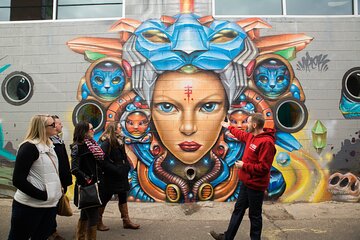
Neighborhoods: Although California has any number of Latinx neighborhoods, three in particular stand out. Take in the murals of Chicano Park in San Diego’s Barrio Logan; check out the historically Mexican East LA neighborhood; and learn more about Chicanx culture in Boyle Heights, home to Mariachi Plaza.
Attractions: Outside of the above districts, Olvera Street in downtown LA (part of the El Pueblo de Los Angeles Historical Monument) is a must, while art fans can learn about the legacy of Mexican muralist David Alfaro Siqueiros at the América Tropical Interpretive Center or visit the Museum of Latin American Art in Long Beach.
2. Colorado

Culture-packed Colorado is home to Latinx and Native American communities.
One of the largest non-Native groups in Colorado, Latinx people—mostly of Mexican heritage—make up roughly a fifth of this landlocked US state.
Neighborhoods: Multicultural Denver is among the most densely Latinx populated cities in the state, home to neighborhoods such as Westwood, and Latinx eateries from butchers and bakers to … well, maybe not candlestick makers. But you get the idea. Then there’s Pueblo, which hosts an annual Chile N’ Frijoles Festival every September.
Attractions: Head to the Denver Arts District for one of the state’s premier Latinx attractions, Museo de las Américas, where you’ll find diverse Latin American art exhibits year-round; catch a Spanish-language film at Su Teatro; or pick up a Latinx gift from local and international artisans at Hijos del Sol.
3. Florida

Cubans and Puerto Ricans, among them AfroLatinx, are the strongest Latinx demographics in Florida.
Cubans have historically migrated to Miami since the revolution, although Colombians, Puerto Ricans, and Venezuelans—as well as (often affluent) Latinx people from basically all over the region—now call this panhandle state home.
Neighborhoods: Although Little Havana, Miami—helmed by Calle Ocho, home to an eponymous street festival—often grabs the headlines, Florida has a wealth of Latinx neighborhoods to explore. Ybor City, Tampa (the so-called cigar capital of the world) is home to several Latinx hot spots, including the Ybor City Museum State Park. Meanwhile, Key Biscayne is the region’s most Latinx island.
Attractions: In Little Havana, don’t miss the Cuban Memorial Plaza. Then, make time to stop at the Freedom Tower, an Ellis Island–esque immigration center-turned-art museum or the Pérez Art Museum. Of course, Latinx restaurants, bakeries, and eateries abound in towns the length and breadth of Florida.
4. Illinois

For Puerto Rican and Mexican culture in the US, look no farther than Illinois.
Illinois’ Latinx population—which centers on places such as Chicago and is known for its immigrant rights organizing—endures in the face of ever-advancing gentrification.
Neighborhoods: Chicago is arguably home to Illinois’ best-known Latinx neighborhoods, including Pilsen, Little Village, and Logan Square. There, you’ll find Latinx businesses dishing up everything from tools to regional eats—including carnitas and Colombian cuisine—as well as street murals by Latinx artists.
Attractions: Reflective of the strong Mexican and Puerto Rican presence in the city, Chicago is home to both the National Museum of Mexican Art and the National Museum of Puerto Rican Arts and Culture.
5. New York

NYC is home to the US' largest group of AfroLatinx people, mainly from the DR and Puerto Rico.
Some 5 million Latinx people—predominantly from Puerto Rico, the Dominican Republic, Mexico, and Ecuador—call the tri-state area home, especially New York City.
Neighborhoods: In New York City, Dominicans dominate in Washington Heights, home to the annual Dominican Day parade and the Hispanic Society of America headquarters; Puerto Ricans rule the roost in East Harlem, where you’ll find El Museo del Barrio; and thousands of Brazilians call Astoria home. Then, of course, there’s the Bronx, Queens, and Jackson Heights, the latter of which hosts the Trans Latinx Night each August.
Attractions: From your run-of-the-mill bodegas to regional restaurants dishing up Latin American favorites, there are plenty of Latinx locales to be found in the Big Apple. Latin American literature lovers shouldn’t miss the historic Nuyorican Poets Café, while dancers can salsa the night away at Cuban spot, Guantanamera.
6. Oregon

Mexican culture is surprisingly strong in Oregon, particularly in Portland.
Oregon might not spring to mind when you think “Latinx US,” but Latinx communities are thriving in Portland and beyond in the Pacific Northwest.
Neighborhoods: Portland’s Little Mexico (aka Woodburn) is the perfect place to find Mexican food on Front Street and enjoy the annual Woodburn Fiesta Mexicana. Then there are the taco joints and galleries of the Alberta Arts District, as well as the Argentine tango rhythms of Southeast Portland.
Attractions: Neighborhoods aside, Portland Art Museum boasts both pre-Columbian and contemporary Latin American artworks, while the Portland Mercado is the place to be for Latinx eats from Oaxaca to Cuba and beyond. Plus, you can even catch a Spanish, English, or Spanglish show at the Milagro Theater.
7. Texas

Unsurprisingly, Mexicans are the largest Latinx demographic in Texas, alongside Salvadorans and Hondurans.
A long-time Latinx stronghold in the US, the Texan borderlands are home to both tejanos (Texans whose ancestors lived in the region prior to colonization), as well as Latin American immigrants.
Neighborhoods: Most every major city in Texas has a Latinx neighborhood or two to explore, but some of the best known include El Segundo Barrio, El Paso, on the Mexican border; South Side, San Antonio, the city which declares itself the birthplace of the breakfast taco; Magnolia Park, Houston; and Oak Cliff, Dallas, where you’ll find the Mercado369 galleries and a life-sized statue of Juan Gabriel.
Attractions: Latinx attractions dot Texas, but some of the biggest and best include the Mexic-Arte Museum in Austin, the Chamizal National Memorial in El Paso, the Centro de Artes in San Antonio, and the Latino Cultural Center in Dallas.
8. Washington DC

This stronghold of Salvadoran culture also has influence from Mexico and the Dominican Republic.
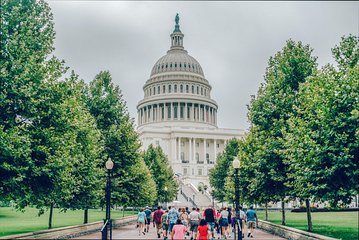
The US capital is, perhaps unsurprisingly, another major Latinx hub and of the city’s Latinx population, around a third hails from El Salvador.
Neighborhoods: Explore Washington DC’s Salvadoran heritage in the Mount Pleasant neighborhood, where you’ll find pupuserías (pupusa restaurants) galore, as well as an apartment block named for the famed Salvadoran prelate Óscar Romero.
Attractions: Outside Mount Pleasant, immerse yourself in Latinx stories at the Smithsonian Latino Center or admire work by Latin American and Caribbean artists at the Art Museum of the Americas.
9. Puerto Rico

Puerto Rico is a fiercely independent colony, or territory, of the United States.
While Puerto Rican statehood remains a hotly contested issue—with many in favor of straight-up independence—the fact remains that Latin American Puerto Rico is still a US colony, making it a unique blend of both US and Latin American.
Neighborhoods: While every Puerto Rican neighborhood is technically a Latinx neighborhood—by both definition and default—one of the most popular is San Juan’s Old Town, home to colorful streets, top museums, and historic monuments. Here, you can tour the city’s colonial past and culinary present.
Attractions: There are plenty of places in Puerto Rico where you can explore Latinx culture, including the Castillo San Cristóbal or the Museo de Arte de Puerto Rico in Santurce (also a street art hub). Alternatively, get to know the island’s Indigenous ancestry at the Caguana Indigenous Ceremonial Park.
Book more things to do in USA





Keep planning your USA trip


