
Know Before You Go: Planning a Trip To See the Soccer This Summer


In 2026, get ready for a soccer-filled summer, as North America hosts the next edition of the sport’s most prized competition. As a result, teams and fans from all over the world will be coming to the US, Mexico, and Canada to catch a match and see who triumphs.
If you’re a football fan, you’re sure to be wondering what you need to know before your trip to make the most of the experience—alongside debating whether Argentina can win back-to-back trophies. In this soccer tournament travel guide, you’ll learn not only the when and where of the competition, but also other useful details to help you plan a trip to see the soccer this summer.
When can I watch the most important soccer games in 2026?

Soccer's played nearly year-round, though obviously June and July welcome this year's premier sporting event.
Soccer’s biggest tournament takes place from June 11 to July 19, 2026, with two opening group matches—Mexico vs South Africa and South Korea vs Czech Republic—played in Mexico on June 11. The group stage will see each team playing roughly once a week until June 27, followed by the knockout stage, culminating with the semifinals on July 14–15, then the final in New Jersey on July 19.
Some of the earliest games scheduled in the tournament are USA vs Paraguay on June 12, Brazil vs Morocco on June 13, and England vs Croatia on June 17, with plenty more to come both on and after those dates.
Where can I watch the soccer matches during the summer of 2026?

Major cities in countries across North America—Mexico, Canada, and the US—will host the action.
The hosting nations of the US, Mexico, and Canada will be the best places to watch soccer in summer 2026, with 16 cities across the region hosting matches in world-class stadiums. The US will host the lion's share of matches in cities across the country, including Miami, Atlanta, Dallas, Kansas City, Seattle, San Francisco, Los Angeles, Boston, Houston, and Philadelphia. The final will take place in East Rutherford, New Jersey.
Outside of the US, Mexico City, Guadalajara, Monterrey, Vancouver, and Toronto will round out the roster of host cities, so there really are plenty of options to choose from when it comes to catching a game of soccer this summer.
How can I get tickets to see the soccer this summer?

Various rounds of sales will take place, so try to get your soccer tickets in advance ... or risk missing out.
Tournament tickets were released to the public with a presale draw from September 10–19, 2025 which was then be followed by various phases of ticket sales, based on availability. While you can still buy standard tickets via resale sites, if you're looking for a more luxurious experience, look out for hospitality packages which include dedicated lounges and pavilions.
One of the most important things to know when planning a soccer trip to North America in 2026: Stadiums won't sell tickets to matches day-of, so you'll have to secure your seats in advance to avoid disappointment.
If I can’t get tickets, how else can I experience the soccer in 2026?

Catch soccer games in fan zones and sports bars across host cities such as Philadelphia, Toronto, and more.
One of the most useful summer soccer travel tips is knowing where to follow the tournament if you can’t get tickets or want to watch games in other cities ... no travel necessary. Four official fan zones have already been announced, which will feature outdoor watching venues: Liberty State Park in Jersey City, Fairmount Park in Philadelphia, Fort York and The Bentway in Toronto, and East Downtown Houston.
If you can't make it to one of those, you’ll need to seek out sports bars known for showing soccer, such as Smithfield Hall in New York City and The Londoner in Addison, Texas, among others.
What should I wear to watch the soccer this summer?

Focus on the local climate and venue rules to ensure you're comfortable.
High on your travel checklist for soccer events will be exactly what to wear to matches. National jerseys and colors are the obvious answer, but also consider what will be comfortable based on the climate—the appropriate clothing for Mexico City, Miami, and Vancouver will be wildly different.
Plus, you'll want to keep in mind whether the stadium is indoors or outdoors ... though you won’t have to worry nearly as much about rain or heat at the tournament’s four indoor, climate-controlled venues in Dallas, Houston, Atlanta, and Vancouver.
Insider tip: Check the venue rules for what to wear at each individual stadium, as there may be regional quirks to keep in mind. For example, belts are banned in Mexico City's Estadio Banorte.
What can I take into the stadiums with me?

It depends on the stadium, but pack your belongings carefully and check rules in advance.
Rules for visitors will depend on which the exact country and stadium in which you’re going to watch the soccer. The most common soccer fan travel advice is to research the venue you’re attending; this is always helpful for logistics such as seating maps and travel guidance, but it’s also essential for checking which items are prohibited.
Bag policies and ticket terms will generally include common rules, such as whether outside alcohol is banned in the stadium, and which other items are prohibited, such as drones, weapons, laser pointers, flares, and noisemakers.
Are the games accessible for people with disabilities?

Yes, many stadiums offer accommodations for wheelchair users and people with disabilities.
If you're wondering how to attend summer soccer matches with someone who uses a wheelchair, or as a wheelchair user yourself, know that many of the stadiums are wheelchair accessible via ramps and elevators. Stadiums typically offer wheelchair and companion seating, too—in fact, some larger stadiums, such as MetLife Stadium and AT&T Stadium, feature wheelchair and companion seating on every level of the stadium.
Also, stadiums often offer services for visitors with impaired hearing or sensory processing needs, but accommodations typically vary between venues. Always check with the stadium where you plan to attend to request specific information and confirm accommodations.
What else can I do before or after the soccer matches this summer?

See more than just stadiums—explore local sights, food, and culture from Mexico City to New York City.
A key aspect of how to prepare for soccer events this summer is knowing how to enjoy your downtime, given that you'll have plenty of free time to explore between matches. The best things to do will differ city to city, but options such as sightseeing tours of Dallas and food tours of Mexico City allow you to get to know the destination quickly.
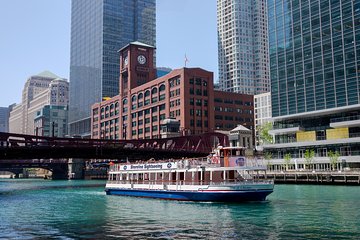
Of course, many host cities have unique-to-them experiences that you won't want to miss, such as taking the ferry tour to spot the Statue of Liberty in New York City, and seeing the Golden Gate Bridge in San Francisco. Booking in advance is key though, as host cities will be extra busy this summer.
Frequently asked questions

Everything you need to know about enjoying the soccer this summer.
How many countries are competing in 2026? Forty-eight countries are competing in 2026, an expansion from past tournaments, which only featured 32 countries.
How many matches will the tournament have? With the expanded number of qualifying countries, the tournament will now feature 104 matches.
Which venue will host the most matches in 2026? AT&T Stadium, between Dallas and Fort Worth, will host the most matches—nine.
How will this tournament affect regular club soccer? Some major club competitions wrap up by the end of May, before the tournament, while others will take a break as players perform national duties.
Why are stadiums using other names during the tournament? Stadiums will go by generic names (such as "New York/New Jersey Stadium" instead of "MetLife Stadium"), due to the tournament’s special sponsorship arrangements.
Book more things to do in North America








Keep reading


